
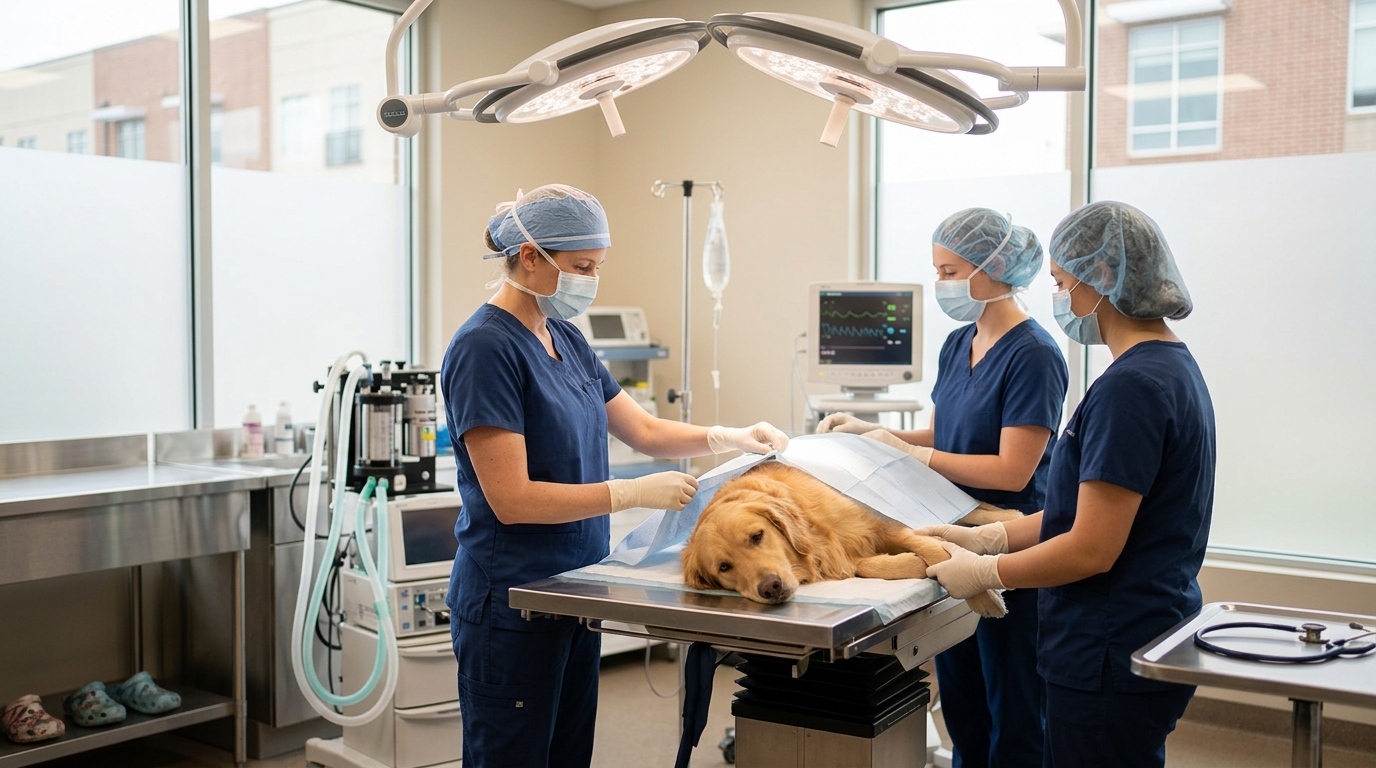
Specialty veterinary surgery has evolved into a critical component of modern pet healthcare, addressing complex conditions that general practitioners cannot manage alone. According to recent industry data, the demand for board-certified veterinary surgeons has grown significantly, with many facilities now focusing exclusively on high-level surgical interventions to ensure the best outcomes for patients. This shift reflects a broader understanding that specialized care, including advanced orthopedic and soft tissue procedures, directly correlates with improved mobility and quality of life for pets. At VSx, we see this trend daily as referring veterinarians partner with us to provide exceptional value for pet owners and their animals. (Board Certified Veterinary Surgery)
Orthopedic Surgery Essentials
Orthopedic surgery represents one of the most frequent reasons pet owners seek specialty care. These procedures focus on the musculoskeletal system, addressing fractures, joint instability, and degenerative conditions. The goal is always to restore function and alleviate pain, allowing pets to return to their active lifestyles. (FAQs mdash VSx Veterinary)
Tibial Plateau Leveling Osteotomy (TPLO)
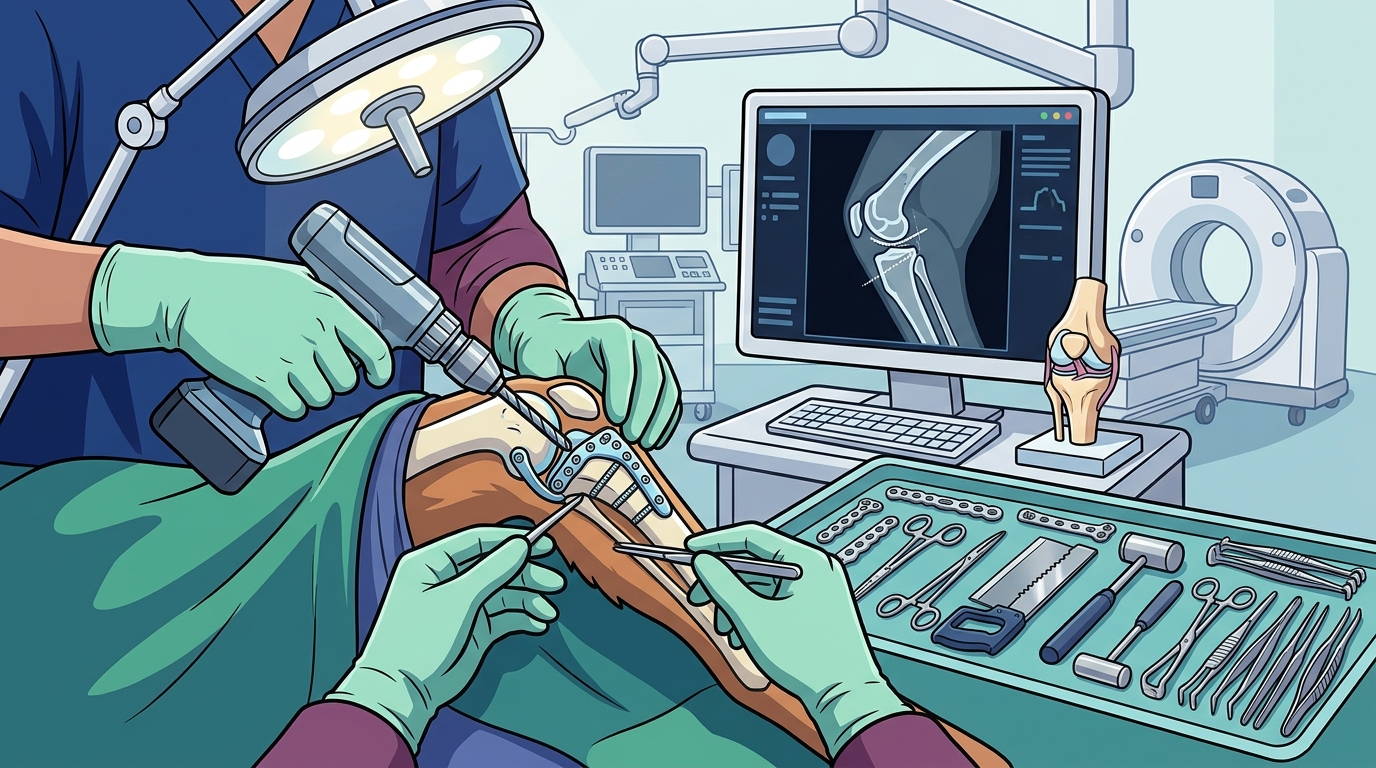
TPLO surgery is a gold-standard procedure for treating cranial cruciate ligament (CCL) rupture in dogs. This condition is analogous to an anterior cruciate ligament (ACL) tear in humans and is incredibly common in medium to large breeds. The surgery involves cutting the tibia and rotating it to stabilize the knee joint, effectively eliminating the need for the torn ligament to bear weight. Our surgeons at VSx utilize precise planning to ensure optimal alignment and long-term joint stability. (Board Certified Veterinary Surgery)
Advanced Fracture Repairs
Fractures in pets range from simple hairline cracks to complex comminuted breaks involving multiple bone fragments. Repairing these injuries requires specialized hardware, such as plates, screws, and pins, to hold the bone in place while it heals. The complexity of the fracture often dictates the surgical approach and the duration of the procedure. Successful repair depends heavily on the surgeon's experience and the quality of post-operative care. (VSx Veterinary Surgery)
Joint Replacements and Arthroscopy
In cases of severe arthritis or joint dysplasia, joint replacement surgery may be recommended. Alternatively, arthroscopic surgery allows for minimally invasive diagnosis and treatment of joint issues. This technique uses a small camera inserted into the joint space, reducing recovery time and minimizing tissue trauma. It is particularly useful for removing loose bodies or repairing torn cartilage.
Soft Tissue & Oncological Procedures
Soft tissue surgery encompasses a wide array of procedures involving organs, muscles, tendons, and ligaments. These surgeries are often more complex than orthopedic cases due to the delicate nature of the tissues and the proximity to vital structures.
Tumor Removals and Biopsies
Oncological surgery is a critical service for pets diagnosed with cancer. Our team performs wide excision surgeries to remove tumors with clear margins, ensuring that as much of the cancerous tissue as possible is eliminated. In some cases, a biopsy is performed first to determine the nature of the mass before a full surgical plan is developed. Early detection and removal significantly improve prognosis and survival rates.
Reconstructive Surgeries
Reconstructive surgery addresses congenital defects or injuries that have resulted in significant tissue loss or dysfunction. Examples include the repair of perineal hernias, bladder stones, or complex wound closures. These procedures require meticulous planning and execution to restore normal anatomical function. The complexity of these cases often necessitates the involvement of multiple specialists and advanced imaging techniques.
Visceral Organ Surgeries
Surgeries involving internal organs, such as the spleen, liver, or gastrointestinal tract, are common in emergency and elective settings. Splenectomies, for instance, may be required to remove tumors or treat trauma. Gastrointestinal surgeries address obstructions, foreign body removal, or inflammatory conditions. Each case is unique, requiring a tailored approach based on the patient's overall health and the specific pathology involved.
The Role of Diagnostic Imaging
Accurate diagnosis is the foundation of successful surgical outcomes. At VSx, we utilize state-of-the-art diagnostic imaging to visualize internal structures with high precision. This technology allows our surgeons to plan procedures with confidence and execute them with minimal risk.
Digital X-Rays
Digital radiography provides immediate, high-resolution images of bones and soft tissues. It is the primary tool for diagnosing fractures, joint diseases, and foreign bodies. The digital format allows for easy storage, sharing with referring veterinarians, and post-processing to enhance image clarity.
Outpatient CT Scans
Computed Tomography (CT) scans offer a three-dimensional view of the body, providing detailed information about complex fractures, spinal issues, and soft tissue masses. Our outpatient CT scanning technology allows for quick, accurate diagnoses without the need for hospitalization. This is particularly beneficial for pets with complex conditions that require precise surgical planning.
Collaborative Care Models
Diagnostic imaging is not performed in isolation. We collaborate closely with referring general practice veterinarians, emergency specialists, and other experts to ensure a comprehensive care plan. This collaborative approach ensures that every aspect of the patient's health is considered before, during, and after surgery.
Why Board-Certified Surgeons Matter
Choosing a board-certified veterinary surgeon is a critical decision for pet owners. These specialists have undergone rigorous training and certification processes that distinguish them from general practitioners. Understanding this distinction helps pet owners make informed decisions about their pet's care.
What is a Board-Certified Surgeon?
A board-certified veterinary surgeon is a veterinarian who has completed an internship and a 3–4 year surgical residency after veterinary school. They have also passed rigorous certification through the American College of Veterinary Surgeons (ACVS). Only after this extensive process can they be called a Diplomate of the ACVS. This title signifies a true specialist in surgery.
Experience and Expertise
Every surgeon at VSx is board-certified with an average experience of 15 years. This level of experience translates to higher proficiency in handling complex cases and managing potential complications. Our surgeons perform surgery every single day, maintaining their skills and staying current with the latest techniques and technologies.
Advanced Equipment and Techniques
Board-certified surgeons typically have access to advanced equipment and techniques that are not available in general practice settings. This includes specialized surgical instruments, advanced anesthesia protocols, and pain management strategies. These resources contribute to safer, more precise care and better outcomes for patients.
Clear Communication
With limited patient volumes, board-certified surgeons can provide the time necessary to answer all questions and address concerns. This clear communication ensures that pet owners are well-informed and comfortable with the surgical process. It also facilitates better collaboration with referring veterinarians, ensuring continuity of care.
Key Takeaways
- TPLO is the standard for CCL tears: Tibial Plateau Leveling Osteotomy is the most common orthopedic procedure for stabilizing the knee in dogs with cranial cruciate ligament ruptures.
- Board certification requires extensive training: A Diplomate of the ACVS completes a 3–4 year residency and passes rigorous exams, distinguishing them from general practitioners.
- VSx Chicago opened in 2024: Our Chicago facility, led by Dr. Marc Wosar, serves the North Center community with state-of-the-art surgical capabilities.
- Outpatient CT scans improve diagnostics: Advanced CT technology allows for precise 3D imaging without hospitalization, aiding in complex surgical planning.
- Soft tissue surgery covers diverse conditions: Procedures range from tumor removals to visceral organ surgeries, requiring specialized expertise and care.
- Collaborative care is essential: Partnership with referring veterinarians ensures comprehensive treatment plans and continuity of care for pets.
- Experience drives outcomes: Our surgeons have an average of 15 years of experience, contributing to high success rates and patient safety.
Frequently Asked Questions
What is the difference between a general veterinarian and a board-certified surgeon?
A general veterinarian provides primary care and performs routine procedures like spays and neuters. A board-certified surgeon has completed additional years of specialized training and residency, focusing exclusively on complex surgical cases. This advanced training ensures they have the highest level of skill and expertise for difficult procedures.
How long does recovery take after a TPLO surgery?
Recovery from TPLO surgery typically involves a period of strict rest followed by gradual physical therapy. Most dogs begin to show improvement within a few weeks, but full recovery can take several months. Adhering to the veterinarian's post-operative instructions is crucial for a successful outcome.
Do you offer emergency surgical services?
While VSx focuses on scheduled specialty surgeries, we collaborate with emergency veterinary clinics to provide timely referrals for urgent cases. Our team is available to consult on complex emergencies and provide follow-up care as needed.
What diagnostic imaging do you use?
We utilize digital X-rays and outpatient CT scans for comprehensive diagnostics. These technologies provide detailed images that aid in accurate diagnosis and surgical planning, ensuring the best possible care for your pet.
How do I refer a patient to VSx?
Referring veterinarians can contact our team directly to discuss patient needs and coordinate care. We welcome collaboration with general practitioners, emergency clinics, and other specialists to ensure seamless and effective treatment for pets.
What types of soft tissue surgeries do you perform?
We perform a wide range of soft tissue surgeries, including tumor removals, reconstructive procedures, and visceral organ surgeries. Each case is evaluated individually to determine the best surgical approach and treatment plan.
Are your surgeons experienced in oncological surgery?
Yes, our surgeons have specialized training in oncological surgery. They perform wide excision surgeries and biopsies to manage cancer in pets, aiming to remove tumors with clear margins and improve prognosis.
Schedule Your Consultation Today
If your pet requires specialized surgical care, trust the experts at VSx. Our board-certified surgeons and advanced facilities are designed to provide the highest standard of care. Contact us to learn more about our services or to schedule a consultation.
Visit our locations page to find the nearest VSx facility and book your appointment today.