
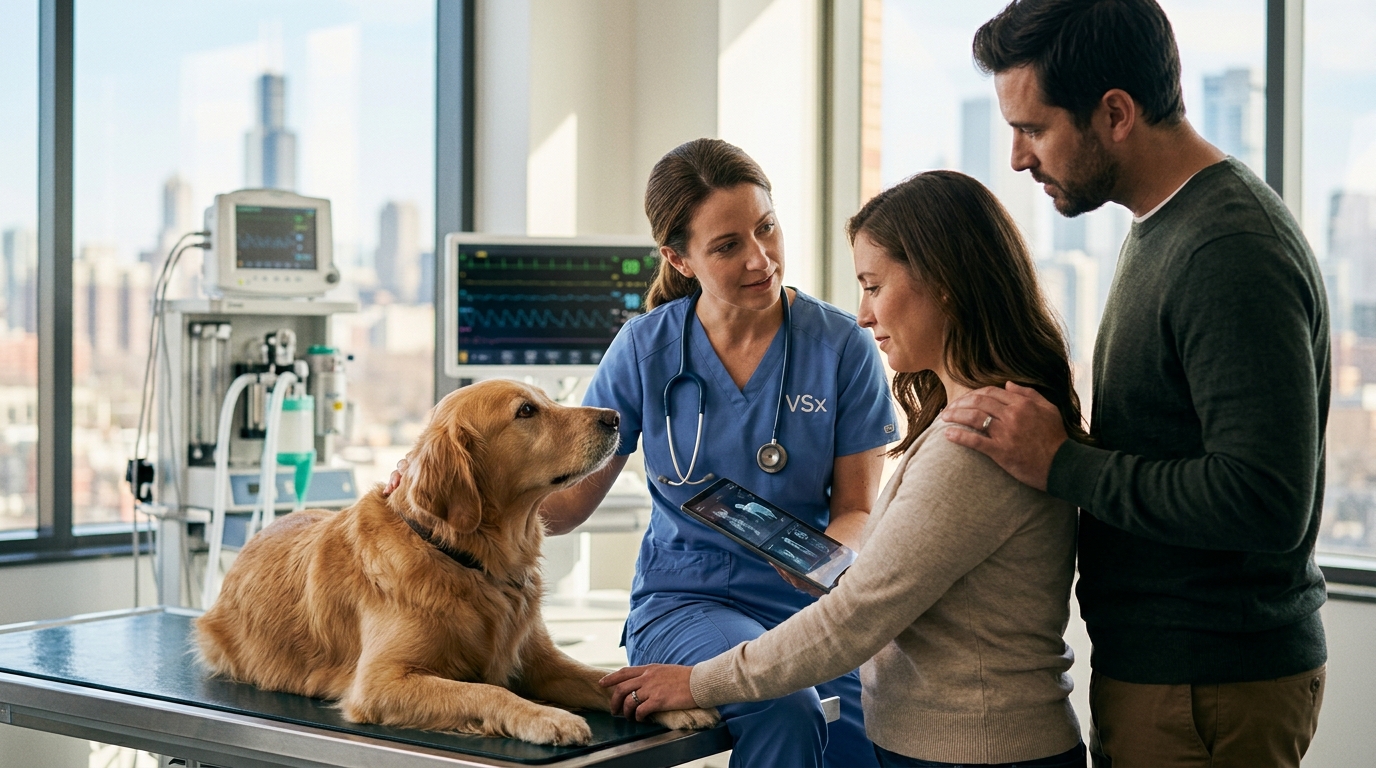
Veterinary surgery has evolved significantly over the last decade, moving from basic life-saving interventions to highly specialized reconstructive and oncological care. According to recent industry data, the demand for board-certified veterinary surgeons has increased by over 20% in major metropolitan areas, reflecting a shift toward advanced orthopedic and soft tissue care. This growth is driven by pet owners who view their animals as family members and are willing to invest in high-quality, specialized treatments. Understanding the most common procedures helps pet owners make informed decisions about their companion's health and recovery. (Board Certified Veterinary Surgery)
Orthopedic Surgery: Restoring Mobility
Orthopedic surgery represents the largest category of specialized veterinary procedures. These surgeries focus on the musculoskeletal system, including bones, joints, and ligaments. The primary goal is to restore function, alleviate pain, and improve the quality of life for pets suffering from congenital defects, trauma, or degenerative diseases. (FAQs mdash VSx Veterinary)
Tibial Plateau Leveling Osteotomy (TPLO)
TPLO is one of the most frequently performed orthopedic procedures, particularly in medium to large breed dogs. It is the gold standard treatment for cranial cruciate ligament (CCL) rupture. TPLO is a surgical procedure that stabilizes the knee joint by cutting and rotating the tibial plateau. This rotation neutralizes the shear forces that cause the tibia to slide forward, effectively eliminating the need for the torn ligament. Recovery typically involves strict rest for six to eight weeks, followed by gradual physical therapy. (Board Certified Veterinary Surgery)
Advanced Fracture Repairs
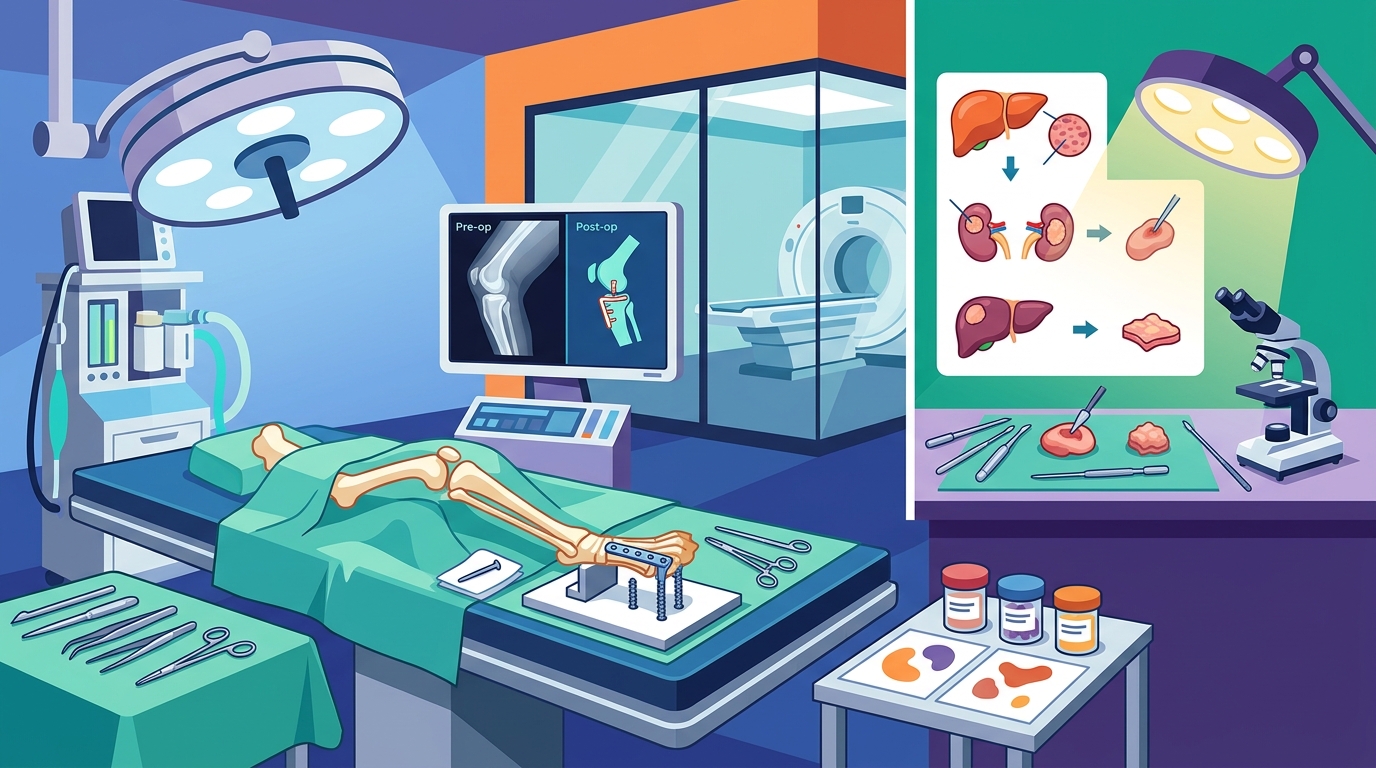
Fractures in pets can result from trauma, such as being hit by a car, or from underlying conditions like bone tumors. Modern veterinary surgery utilizes advanced internal fixation techniques, including plates, screws, and pins. These methods provide rigid stability, allowing for early mobilization and faster healing. The precision required for these repairs often necessitates the use of intraoperative imaging to ensure proper alignment. (VSx Veterinary Surgery)
Elbow and Hip Dysplasia Corrections
Dysplasia is a developmental abnormality of the elbow or hip joint. In severe cases, surgical intervention is required to prevent early-onset osteoarthritis. Procedures may include joint replacement, corrective osteotomies, or arthroscopic debridement. Early diagnosis through diagnostic imaging is critical for determining the best surgical approach.
Soft Tissue Surgery: Complex Interventions
Soft tissue surgery encompasses a wide range of procedures that do not involve the bones or joints. These surgeries are often more complex than routine spays or neuters and require specialized skills to manage delicate structures such as the gastrointestinal tract, urinary system, and respiratory passages.
Gastrointestinal Foreign Body Removal
Pets are notorious for ingesting foreign objects, from socks to toys. When these objects cause an obstruction, emergency surgery is often required. Gastrointestinal surgery involves the careful removal of obstructive materials while preserving the integrity of the intestinal wall. Surgeons must assess the viability of the bowel tissue and perform resections or anastomoses if necessary. Early intervention significantly reduces the risk of sepsis and other life-threatening complications.
Bladder and Urinary Tract Surgeries
Urinary stones, tumors, or congenital defects can lead to severe urinary obstructions. Surgical options include cystotomy (bladder incision) for stone removal or urethrostomy for permanent urinary diversion. These procedures require meticulous attention to detail to prevent postoperative infections and ensure proper urinary function.
Reconstructive Surgeries
Reconstructive surgery addresses complex wounds, tumors, or congenital defects that cannot be resolved with simple closure. Techniques may involve skin flaps, grafts, or tissue expansion. The goal is to restore both function and cosmetic appearance, which is particularly important for pets with visible deformities that may affect their social interaction.
Oncological Surgery: Cancer Management
Veterinary oncology has advanced significantly, with surgery playing a pivotal role in cancer management. The primary objective is complete tumor excision with wide margins to prevent recurrence. Oncological surgery is a specialized field that focuses on the removal of tumors and associated tissues to achieve long-term remission.
Mass Removals and Biopsies
Not all masses require immediate removal. Biopsies are often performed to determine the nature of the growth. If the mass is malignant, wide excision is recommended. This involves removing the tumor along with a margin of healthy tissue to ensure no cancer cells remain. Reconstruction may be necessary depending on the location and size of the defect.
Amputations
Amputation is a common and highly effective treatment for bone tumors, particularly osteosarcoma. Contrary to popular belief, pets adapt remarkably well to three-legged mobility. Studies show that most pets return to normal activity levels within weeks of surgery. The procedure involves removing the affected limb and closing the wound with tension-free sutures to promote healing.
Diagnostic Imaging: CT and X-Ray
Accurate diagnosis is the foundation of successful surgery. Advanced imaging technologies allow surgeons to visualize internal structures with unprecedented clarity. Digital X-ray is a diagnostic imaging technique that uses low levels of radiation to produce images of the body's internal structures. It remains the first line of defense for evaluating fractures and lung conditions.
Outpatient CT Scans
Computed Tomography (CT) scans provide detailed cross-sectional images of the body. This technology is invaluable for planning complex surgeries, such as skull fractures or spinal tumors. CT scans allow for 3D reconstruction, enabling surgeons to simulate the procedure before making the first incision. This level of precision reduces surgical time and improves outcomes.
Digital Radiography
Digital radiography offers immediate image acquisition and enhancement capabilities. Unlike traditional film, digital images can be adjusted for contrast and brightness, revealing details that might otherwise be missed. This technology is essential for evaluating soft tissue structures and guiding minimally invasive procedures.
Procedure Comparison and Selection
Choosing the right surgical procedure depends on the specific condition, the pet's overall health, and the owner's goals. The table below summarizes the key aspects of common veterinary surgeries.
| Procedure Type | Common Indications | Recovery Time | Specialist Requirement |
|---|---|---|---|
| TPLO Surgery | CCL Rupture, Knee Instability | 6-8 Weeks | Board-Certified Surgeon |
| Soft Tissue Surgery | Foreign Body Obstruction, Tumors | 2-4 Weeks | Board-Certified Surgeon |
| Oncological Surgery | Cancer, Mass Excision | 4-6 Weeks | Oncology Specialist |
| Diagnostic Imaging | Fracture Evaluation, Pre-Surgical Planning | Immediate | Radiology Specialist |
Key Takeaways
- Board-Certified Expertise: VSx surgeons have an average of 15 years of experience, ensuring high standards of care for complex cases.
- TPLO Dominance: TPLO is the leading orthopedic procedure for CCL ruptures, offering superior stability compared to traditional techniques.
- Advanced Imaging: Outpatient CT scans at VSx facilities allow for precise pre-surgical planning without hospitalization.
- Surgeon Ownership: VSx is surgeon-owned and led, prioritizing clinical excellence over volume.
- Chicago Expansion: VSx Chicago, opened in 2024, serves the North Center community with state-of-the-art surgical capabilities.
- Indianapolis Growth: VSx Indianapolis, opening in 2026, will bring board-certified surgical care to greater Indiana.
- Collaborative Care: VSx works closely with referring veterinarians to ensure seamless continuity of care for pets.
Frequently Asked Questions
What is the difference between a general veterinarian and a board-certified surgeon?
A general veterinarian is trained to perform routine surgeries like spays and neuters. A board-certified surgeon has completed additional residency training and rigorous certification through the American College of Veterinary Surgeons (ACVS). This specialized training allows them to handle complex orthopedic, soft tissue, and oncological cases with greater precision and expertise.
How long does recovery take after a TPLO surgery?
Recovery from TPLO surgery typically involves six to eight weeks of strict rest and controlled exercise. Most pets show significant improvement within the first few weeks, but full healing of the bone and soft tissues takes several months. Physical therapy is often recommended to restore muscle strength and joint function.
Is outpatient CT scanning safe for pets?
Yes, outpatient CT scanning is safe and minimally invasive. It allows for detailed imaging without the need for general anesthesia in many cases, or with very short anesthesia times. This technology provides critical information for surgical planning, reducing the risk of complications during the actual procedure.
What are the signs that my pet needs orthopedic surgery?
Signs include limping, reluctance to jump or run, swelling around the joints, and difficulty rising from a resting position. If your pet exhibits these symptoms, it is important to consult a veterinarian promptly. Early diagnosis can prevent further damage and improve surgical outcomes.
How does VSx support referring veterinarians?
VSx provides comprehensive support to referring veterinarians, including detailed surgical reports, post-operative care instructions, and direct communication channels. This collaborative approach ensures that the pet's primary care provider is fully informed and can continue to monitor the pet's health effectively.
What services are available at VSx Nashville?
VSx Nashville offers board-certified surgical care, including orthopedic, soft tissue, and oncological procedures. The facility is equipped with state-of-the-art diagnostic imaging and surgical technology to provide the highest standard of care for pets in the Nashville community.
Can pets recover well from amputation?
Yes, most pets adapt remarkably well to amputation. They quickly learn to balance on three legs and return to normal activity levels. The removal of a painful or diseased limb often results in a significant improvement in the pet's quality of life.
Contact VSx Veterinary Surgery
If your pet requires specialized surgical care, trust the experts at VSx. With locations in Chicago, Indianapolis, and Nashville, we provide accessible, high-quality veterinary surgery. Our board-certified surgeons are dedicated to delivering the best outcomes for your pet. Contact VSx Veterinary Surgery today to schedule a consultation or learn more about our services.