
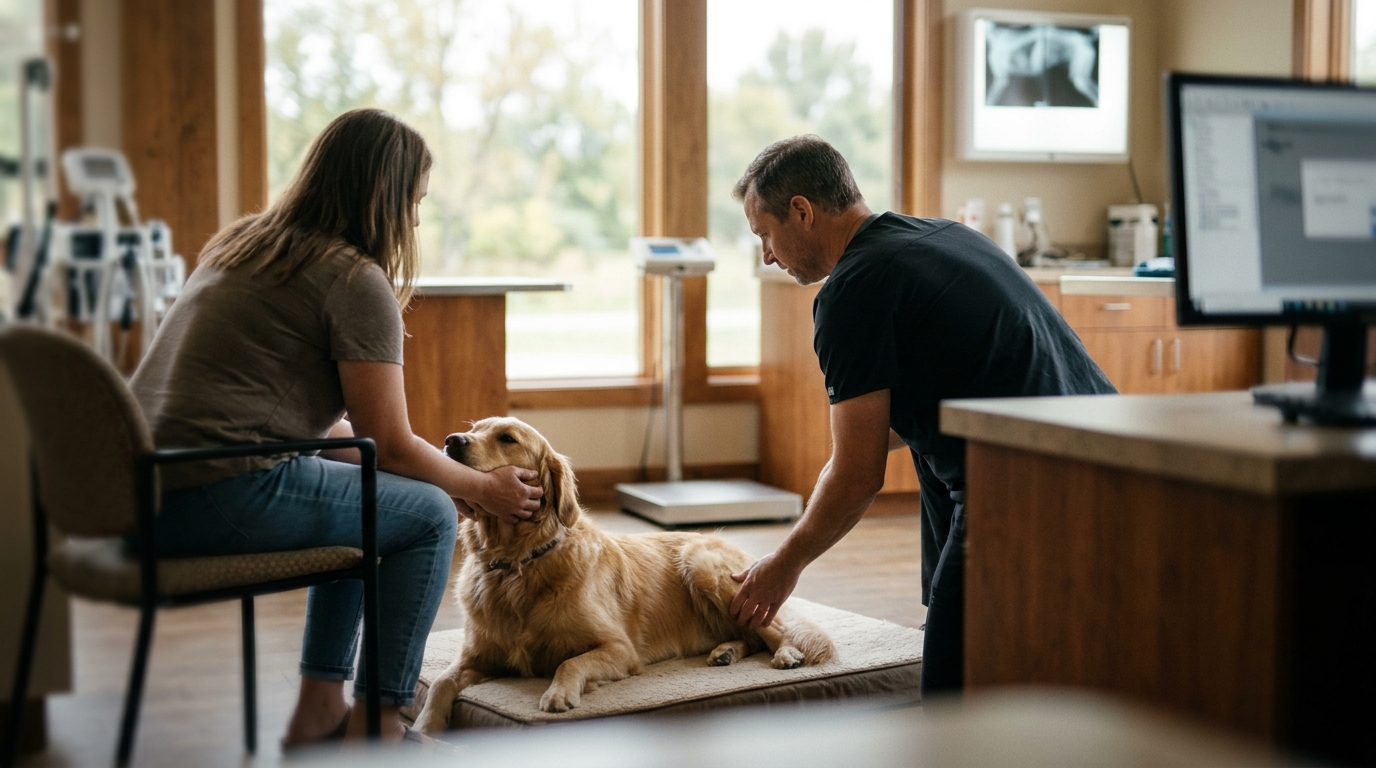
Orthopedic surgery for dogs in Indiana involves specialized procedures to repair bones, joints, and ligaments. VSx Veterinary Surgery provides advanced surgical care performed exclusively by board-certified veterinary surgeons. This guide explains the common conditions, the surgical process, and how to prepare your dog for the best possible recovery.
Common Orthopedic Conditions in Dogs
Dogs of all ages and breeds can develop orthopedic issues that require surgical intervention. Understanding the specific condition helps you grasp why surgery is recommended. Cranial cruciate ligament (CCL) tears are among the most frequent reasons for orthopedic referral. This ligament stabilizes the knee joint, and its rupture causes pain and instability. Another common condition is patellar luxation, where the kneecap slips out of its groove. This can cause a skipping gait and long-term joint damage if left untreated.
Fractures also require surgical repair to ensure proper alignment and healing. Depending on the location and severity, surgeons may use plates, screws, pins, or external fixators. Femoral head and neck ostectomy (FHO) is another procedure, often used for smaller dogs with hip dysplasia or severe hip disease. In this surgery, the head and neck of the femur are removed, allowing a false joint to form that restores mobility. Each condition requires a tailored approach based on the dog's size, age, and activity level.
Types of Orthopedic Procedures
VSx surgeons perform a wide range of orthopedic procedures to address these conditions. The most common procedure for CCL tears is the Tibial Plateau Leveling Osteotomy (TPLO). This technique alters the geometry of the tibia to stabilize the knee without relying on the torn ligament. It is a durable solution that allows dogs to return to normal activity levels. For fractures, the choice of hardware depends on the bone involved and the pattern of the break.
Surgeons also perform mass removals when tumors affect bone or soft tissue structures. In some cases, arthroscopy may be used for minimally invasive diagnosis and treatment of joint issues. The specific procedure is determined after a thorough evaluation, including physical examination and diagnostic imaging. Your veterinarian will discuss the pros and cons of each option, helping you make an informed decision for your pet's unique situation.
Preparing Your Dog for Surgery
On the day of surgery, arrive at the facility early to complete any final paperwork. Bring a list of your dog's current medications and any relevant medical history. The surgical team will keep you informed throughout the process, providing updates on key stages such as pre-op assessments and post-surgery outcomes. Clear communication ensures you understand what to expect and how to support your dog during recovery.
Recovery and Post-Operative Care
Recovery is a gradual process that requires patience and strict adherence to post-operative instructions. Most dogs will experience some pain and discomfort in the first few days. Your veterinarian will prescribe pain management medications to keep your dog comfortable. Restricted activity is essential during the initial healing phase. This typically means no running, jumping, or rough play for several weeks. Leash walks are usually permitted, but the duration and frequency will depend on the specific procedure.
Follow-up appointments are scheduled to monitor healing and adjust the rehabilitation plan as needed. Physical therapy and controlled exercise may be recommended to restore strength and mobility. Keep your dog's incision site clean and dry, and watch for signs of infection such as redness, swelling, or discharge. Consistent care and monitoring are key to a smooth recovery and long-term joint health.
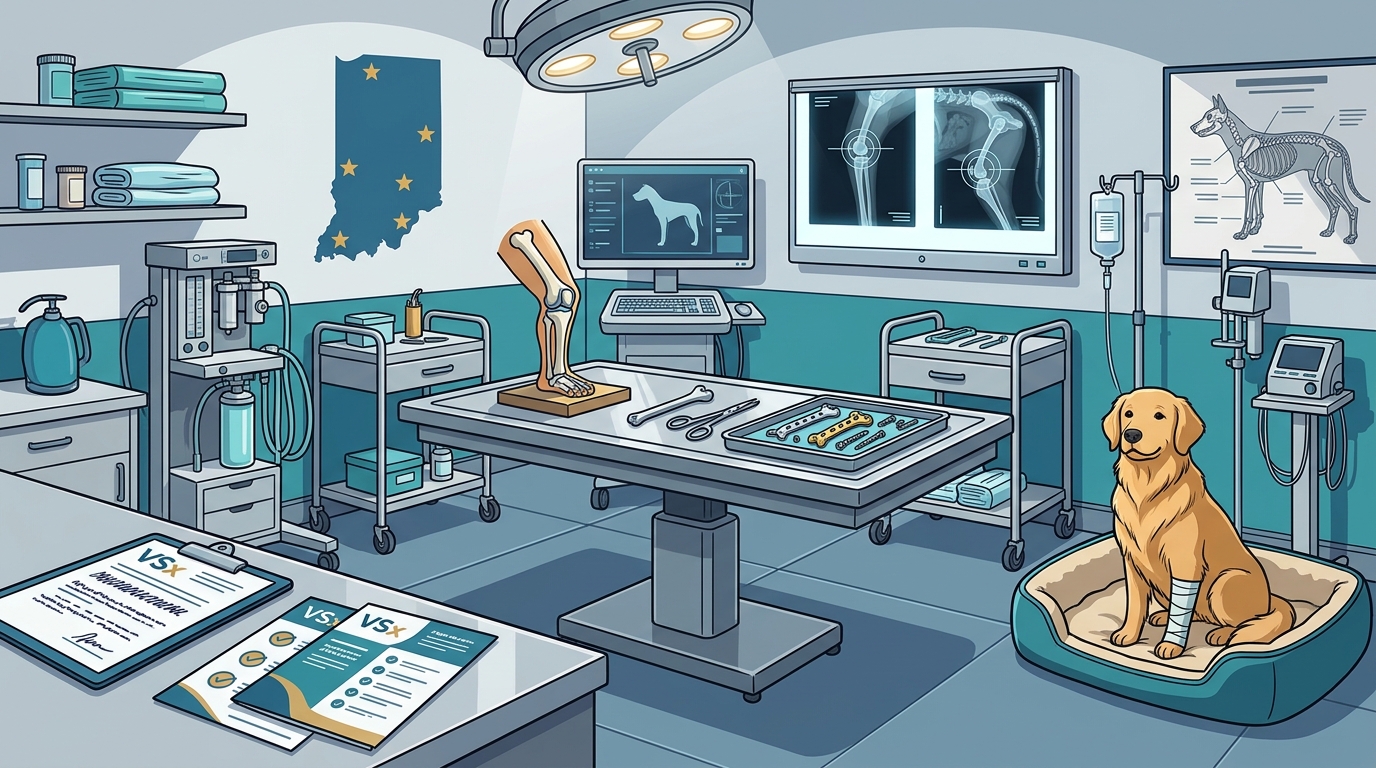
Choosing the Right Surgical Care
Selecting a qualified surgical team is one of the most important decisions you can make for your dog's health. A board-certified veterinary surgeon is a veterinarian who has completed additional specialized training and certification through the American College of Veterinary Surgeons (ACVS). This credential ensures a high level of expertise in complex surgical procedures. At VSx, our surgeons focus exclusively on surgery, allowing them to dedicate their entire practice to this specialty.
When evaluating a surgical provider, consider their experience, communication style, and facility capabilities. VSx partners closely with general practice veterinarians to ensure seamless care coordination. This collaborative approach means your primary veterinarian remains involved in your dog's care, while the surgical team handles the specialized aspects. You can learn more about our team and their credentials on our board-certified surgeons page. Choosing a team that prioritizes clear communication and individualized care can make a significant difference in your dog's outcome.
Key Takeaways
- Orthopedic surgery addresses conditions like CCL tears, patellar luxation, fractures, and hip disease.
- TPLO is a common and effective procedure for stabilizing the knee in dogs with CCL tears.
- Pre-surgical evaluations and fasting instructions are critical for anesthesia safety.
- Strict activity restriction and pain management are essential during the recovery phase.
- Board-certified surgeons bring specialized expertise to complex orthopedic cases.
- Collaborative care between your primary veterinarian and surgical team ensures continuity.
- Follow-up appointments and physical therapy help restore long-term mobility and function.
Frequently Asked Questions
How long does recovery take after orthopedic surgery?
Recovery timelines vary depending on the specific procedure and your dog's individual healing rate. Most dogs require several weeks of restricted activity, with full recovery taking several months. Your veterinarian will provide a detailed rehabilitation plan tailored to your dog's needs.
Is orthopedic surgery safe for older dogs?
Age alone is not a contraindication for surgery. Older dogs can be excellent candidates if they are otherwise healthy. A pre-anesthetic evaluation helps assess any age-related health issues that may affect anesthesia or healing.
What is the difference between a general veterinarian and a board-certified surgeon?
A general veterinarian performs common procedures like spays and neuters. A board-certified surgeon has completed additional residency training and certification through the ACVS, focusing exclusively on complex surgical cases.
Do I need a referral to see a VSx surgeon?
VSx works closely with referring veterinarians, but pet owners can also contact our Indianapolis team directly for a consultation. Your primary veterinarian can help coordinate the referral process if needed.
What should I do if I notice swelling or redness at the incision site?
Contact your veterinarian immediately if you notice excessive swelling, redness, discharge, or signs of pain. Early intervention can prevent complications and ensure proper healing.
How much does orthopedic surgery cost in Indiana?
Costs vary based on the specific procedure, your dog's size, and any additional services required. VSx offers transparent pricing for common procedures, and you can view our services and pricing for an estimate tailored to your dog's case.
Next Steps for Your Dog's Care
If your dog is showing signs of orthopedic pain or mobility issues, early evaluation is key. Your primary veterinarian can perform an initial assessment and recommend diagnostic imaging if needed. If specialized surgery is required, VSx Veterinary Surgery of Indianapolis is ready to provide advanced care with a focus on excellent clinical outcomes. To schedule a consultation or learn more about our services, contact our Indianapolis team. We are committed to helping your dog regain mobility and comfort through expert surgical care. Learn more: Veterinary Surgery Services amp.