
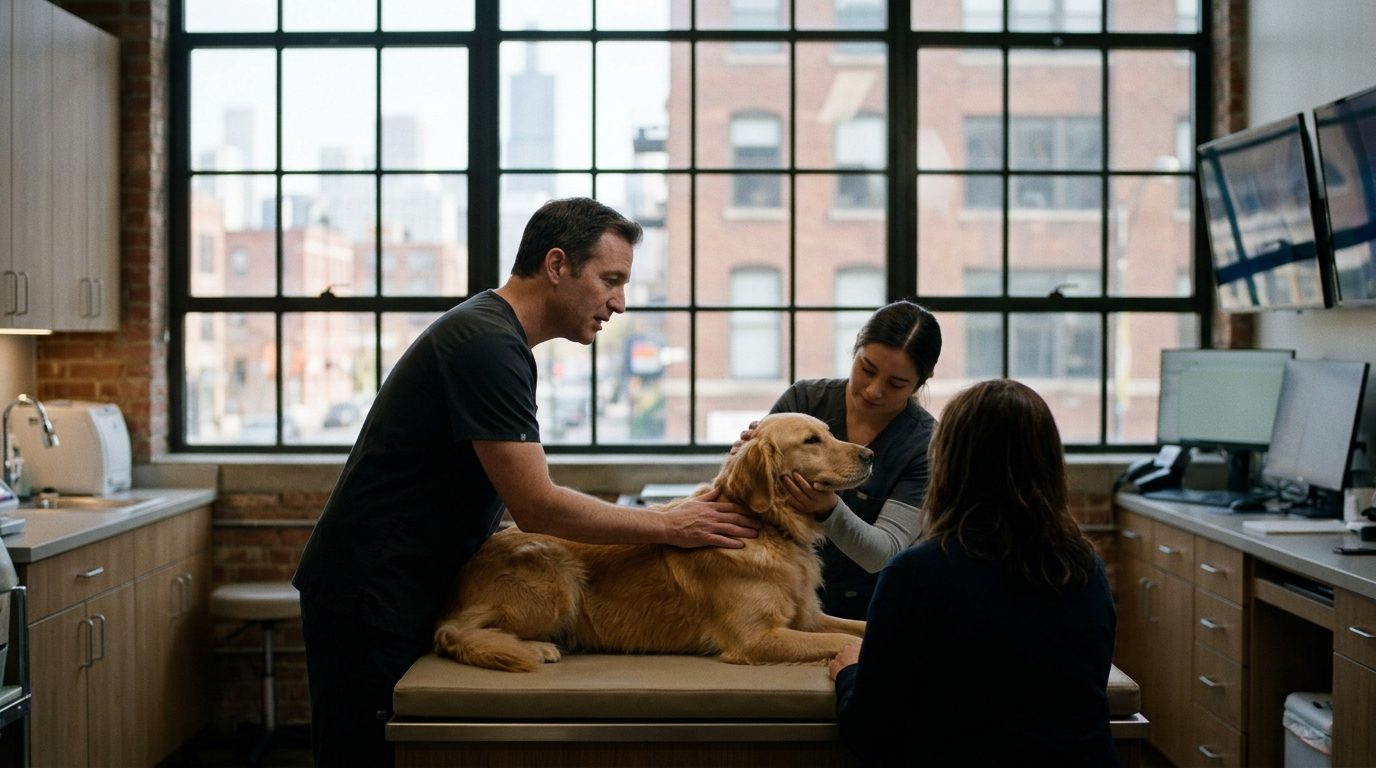
When a dog is diagnosed with a tumor, pet owners in Chicago often wonder which veterinary practice can safely remove the growth. VSx Veterinary Surgery of Chicago provides board-certified surgical care for complex soft tissue and oncological cases. This guide explains the surgical process, the role of oncology referrals, and how to choose the right specialist for your pet's specific needs.
Dog Tumor Removal
Tumor removal in dogs is a surgical procedure designed to excise abnormal tissue growths. While many tumors are benign, some are malignant and require careful management. The decision to perform surgery depends on the tumor's location, size, and biological behavior. A board-certified veterinary surgeon is a veterinarian who has completed specialized residency training and passed rigorous certification exams to practice as a surgical specialist.
Types of Tumors Requiring Surgery
Dogs can develop various types of tumors, each with different surgical considerations. Mast cell tumors are the most common skin tumors in dogs and often require wide surgical excision to ensure complete removal. Mammary tumors are relatively common in unspayed female dogs and may require removal of the entire mammary chain. Other soft tissue masses, such as lipomas or fibrosarcomas, may also require surgical intervention depending on their growth pattern and impact on surrounding tissues.
The Surgical Process
The surgical process for tumor removal typically begins with a thorough evaluation. This includes physical examination, imaging studies such as X-rays or CT scans, and often a biopsy to determine the tumor type. Once the diagnosis is confirmed, the surgeon plans the procedure to achieve clean margins, which means removing the tumor along with a margin of healthy tissue to reduce the risk of recurrence. At VSx Veterinary Surgery of Chicago, our surgeons utilize advanced imaging and diagnostic tools to plan precise surgical approaches.
Recovery and Aftercare
Recovery from tumor removal surgery varies based on the tumor's location and the extent of the procedure. Most dogs require a period of restricted activity to allow the surgical site to heal properly. Pain management is a critical component of post-operative care, and our team provides detailed instructions for administering medications and monitoring the incision. Regular follow-up appointments are essential to monitor healing and detect any signs of recurrence early.
Veterinary Oncology Referral
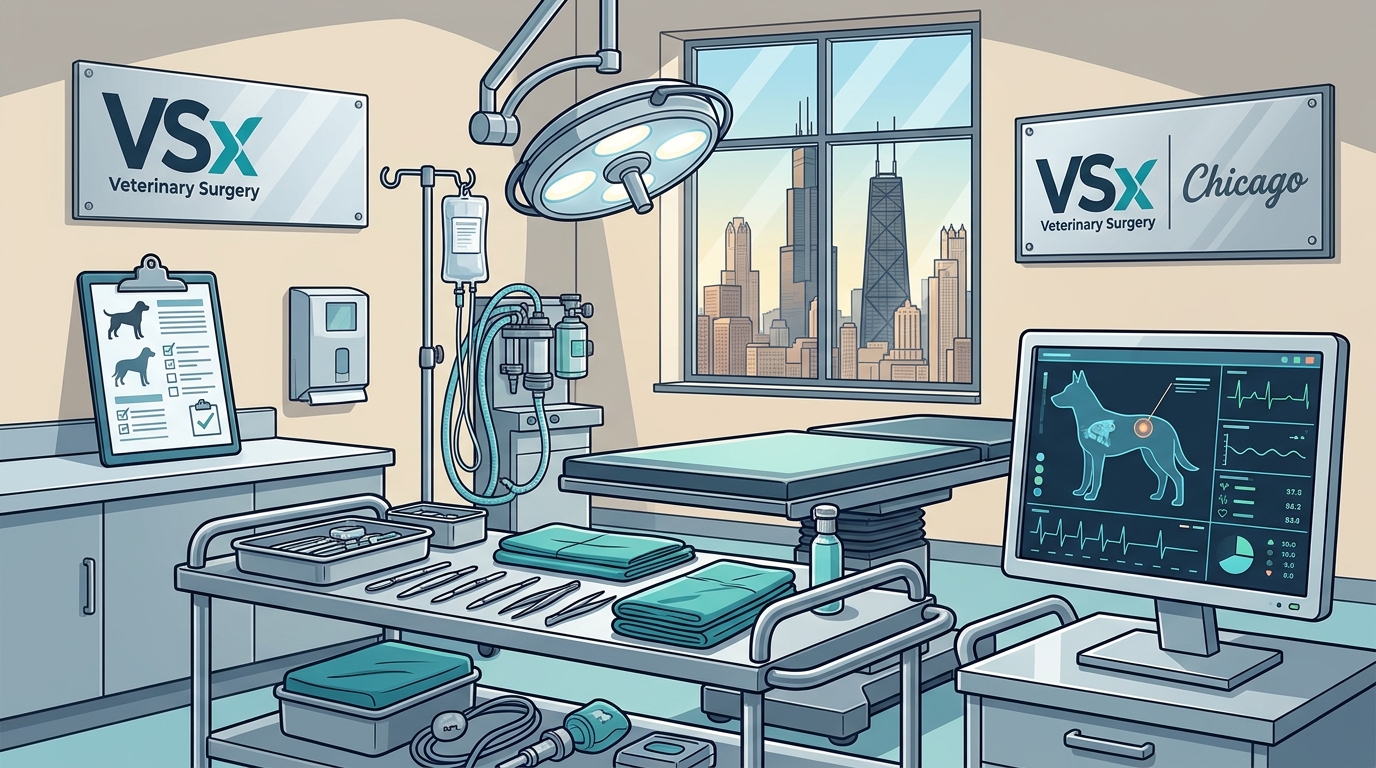
A veterinary oncology referral is the process of sending a patient to a specialist for advanced cancer care. While general practice veterinarians can diagnose many conditions, complex oncological cases often benefit from the expertise of a board-certified surgeon. Referrals ensure that your pet receives individualized treatment recommendations tailored to their specific medical history and tumor characteristics.
Why Refer to a Specialist?
Referring to a specialist is important for several reasons. First, board-certified surgeons have extensive training in complex surgical techniques that may not be available in general practice settings. Second, specialists have access to advanced diagnostic imaging and surgical equipment that allows for more precise procedures. Third, collaborative care between your primary veterinarian and a surgical specialist ensures continuity of care and better overall outcomes. At VSx, we work closely with referring veterinarians to provide seamless care coordination.
The Referral Process
The referral process typically begins with a conversation between your primary veterinarian and the surgical team. Your veterinarian will share relevant medical records, diagnostic results, and their clinical impressions. The surgical team will then review the case and schedule a consultation if appropriate. During the consultation, the surgeon will perform a thorough evaluation and discuss treatment options with you. This collaborative approach ensures that all parties are aligned on the best course of action for your pet.
Choosing the Right Practice
When choosing a veterinary surgery practice for tumor removal, consider several factors. Look for a practice with board-certified surgeons who specialize in oncological surgery. Ensure that the practice has access to advanced diagnostic imaging and surgical equipment. Consider the practice's communication style and their willingness to collaborate with your primary veterinarian. VSx Veterinary Surgery of Chicago offers experienced, trusted surgical care with a focus on advanced soft tissue and oncological procedures.
| Factor | General Practice | Board-Certified Surgical Specialist |
|---|---|---|
| Training | Veterinary degree | Veterinary degree plus 3-4 year residency and board certification |
| Procedure Complexity | Routine procedures | Complex oncological and soft tissue surgeries |
| Diagnostic Imaging | Basic X-rays | Advanced CT, digital radiology, and surgical planning tools |
| Collaboration | Primary care focus | Specialized surgical focus with referral coordination |
Key Takeaways
- Board-certified veterinary surgeons have specialized training in complex oncological procedures.
- Tumor removal requires careful planning, including imaging and biopsy, to ensure complete excision.
- Referring to a specialist ensures access to advanced surgical techniques and diagnostic tools.
- Collaborative care between your primary veterinarian and a surgical specialist improves outcomes.
- Recovery from tumor surgery involves restricted activity and pain management.
- Choosing a practice with experienced surgeons and advanced equipment is crucial for complex cases.
- VSx Veterinary Surgery of Chicago provides trusted surgical care for dogs with tumors.
Frequently Asked Questions
What is a board-certified veterinary surgeon?
A board-certified veterinary surgeon is a veterinarian who has completed a specialized surgical residency and passed certification exams through the American College of Veterinary Surgeons. This designation indicates advanced training and expertise in surgical procedures.
Can my primary veterinarian remove a tumor from my dog?
Some primary veterinarians can perform routine tumor removals, but complex oncological cases often require a board-certified surgical specialist. The decision depends on the tumor's type, location, and complexity.
How long does tumor removal surgery take?
The duration of tumor removal surgery varies based on the tumor's size, location, and complexity. Simple excisions may take less time, while complex oncological procedures can take several hours.
What should I expect during recovery?
Recovery typically involves restricted activity, pain management, and regular follow-up appointments. Your surgical team will provide detailed instructions for post-operative care and monitoring.
Do I need a referral to see a surgical specialist?
Many surgical specialists require a referral from your primary veterinarian. This ensures that the specialist has access to your pet's complete medical history and diagnostic results.
How do I choose the right veterinary surgery practice?
Look for a practice with board-certified surgeons, advanced diagnostic equipment, and a collaborative approach to care. Consider the practice's experience with oncological cases and their communication style.
What is the role of imaging in tumor removal?
Imaging studies such as X-rays and CT scans help determine the tumor's size, location, and relationship to surrounding structures. This information is crucial for surgical planning and ensuring complete excision.
Conclusion
Choosing the right veterinary surgery practice for your dog's tumor removal is a critical decision. VSx Veterinary Surgery of Chicago offers experienced, trusted surgical care with a focus on advanced soft tissue and oncological procedures. Our board-certified surgeons provide individualized treatment recommendations and collaborative care to ensure the best possible outcomes for your pet. To schedule a consultation or learn more about our services, contact VSx Veterinary Surgery of Chicago.