
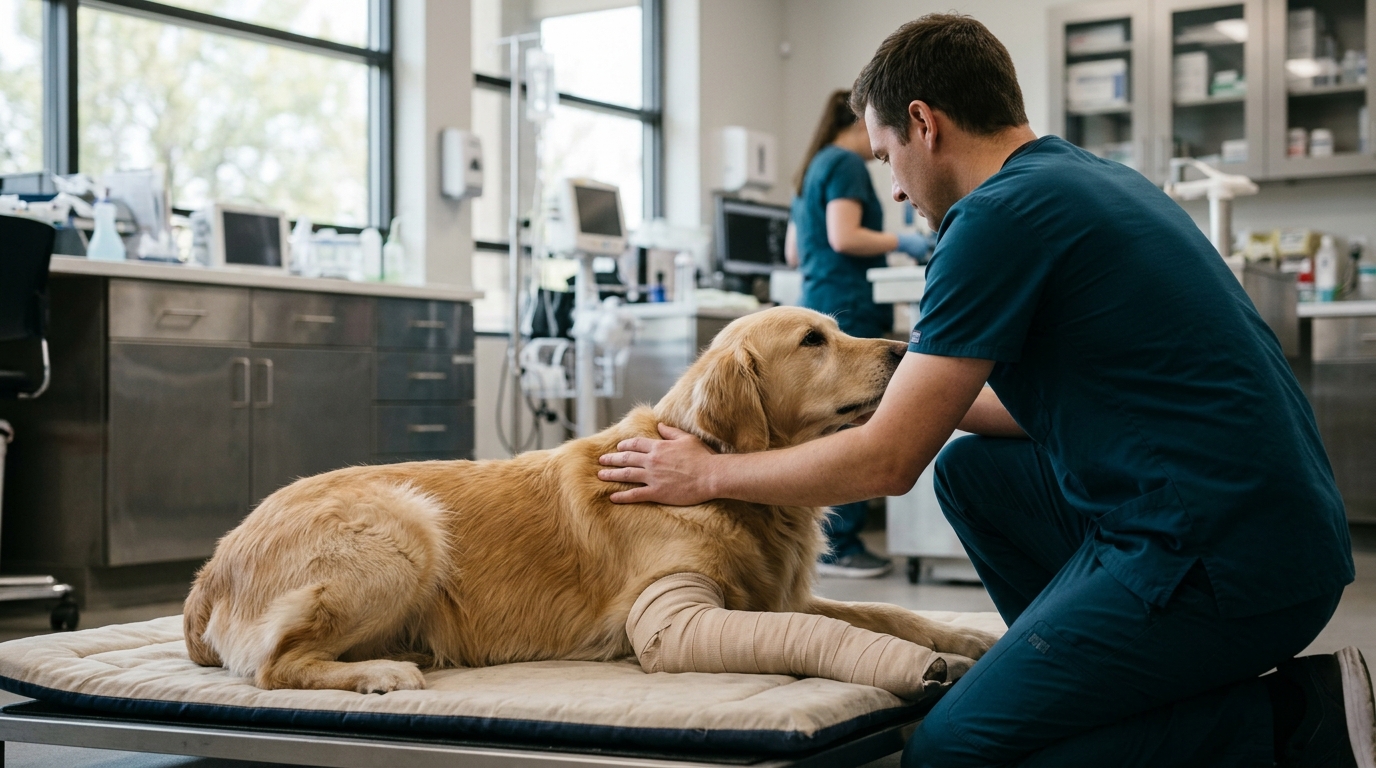
Fracture repair surgery is a specialized orthopedic procedure designed to stabilize broken bones and restore mobility in dogs. Before your pet goes under the knife, understanding the surgical process, the role of board-certified surgeons, and the recovery timeline is essential for a successful outcome. At VSx Veterinary Surgery, we focus exclusively on advanced surgical care to ensure your dog receives the precise treatment needed for complex fractures.
The Role of Board-Certified Surgeons in Fracture Repair
Choosing the right surgeon is an important factor in your dog's recovery. A board-certified veterinary surgeon is a veterinarian who has completed an internship and a three to four year surgical residency, followed by rigorous certification through the American College of Veterinary Surgeons (ACVS). This extensive training ensures that the surgeon possesses the advanced skills necessary to handle complex orthopedic cases that go beyond routine spays or neuters.
General practice veterinarians perform many surgeries, but a board-certified surgeon devotes their entire career to the craft of surgery. This specialization allows for a deeper understanding of bone mechanics, implant selection, and surgical techniques. When you refer your dog to a practice like VSx, you are ensuring that the procedure is performed by a specialist who performs surgery every single day. This level of expertise is vital for minimizing complications and optimizing the structural integrity of the repair.
Understanding Surgical Techniques and Implants
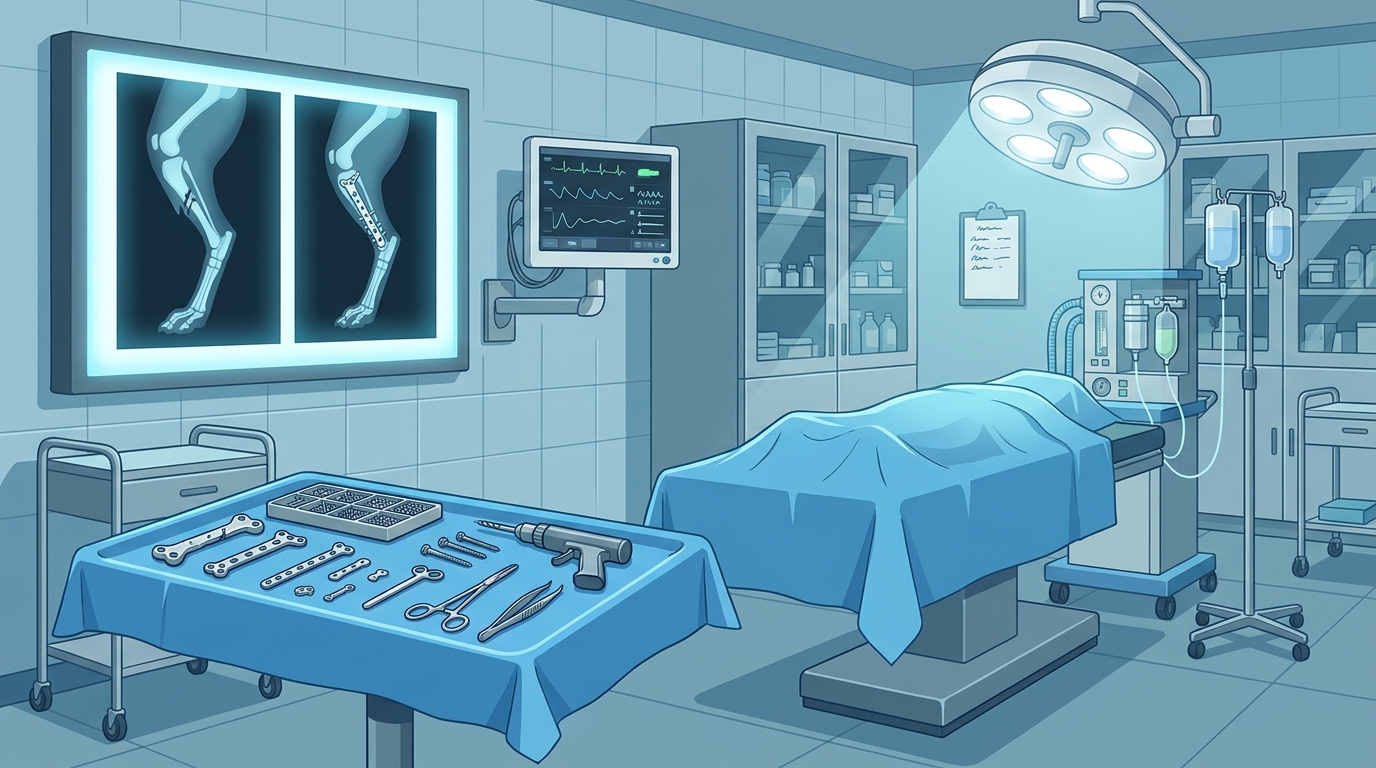
Fracture repair is not a one-size-fits-all procedure. The specific technique used depends on the location of the break, the type of fracture, and the dog's size and activity level. Common methods include the use of plates and screws, pins and wires, or external fixators. Each method serves a specific purpose to provide the stability required for the bone to heal correctly.
For example, a long bone fracture in a large breed dog often requires internal fixation with a plate and screws to hold the bone fragments in perfect alignment. In contrast, a smaller dog with a simple fracture might be treated with pins. The surgeon will evaluate your dog's specific anatomy to determine the most appropriate hardware. Understanding that these implants are temporary tools to facilitate healing helps set realistic expectations for the surgery itself.
Pre-Surgical Evaluation and Diagnostic Imaging
Before any incision is made, a thorough diagnostic workup is mandatory. This process typically involves digital radiography (X-rays) to visualize the fracture pattern and assess the surrounding soft tissue. In complex cases, advanced imaging such as CT scans may be utilized to provide a three-dimensional view of the bone structure. This level of detail allows the surgical team to plan the procedure with precision.
Depending on the location, VSx offers outpatient imaging services, such as CT scans and digital radiology, which can be performed as standalone diagnostics or as part of the surgical planning process. Accurate pre-operative imaging is crucial because it allows the surgeon to select the correct size and type of implants before entering the operating room. This preparation reduces surgical time and enhances the overall safety of the procedure for your pet.
Anesthesia and Pain Management
Many pet owners worry about the safety of anesthesia for their dogs. Modern veterinary anesthesia is highly sophisticated and monitored closely by trained professionals. The goal is to keep your dog comfortable, pain-free, and safe throughout the procedure. Anesthetic protocols are tailored to each patient based on their age, health status, and the complexity of the surgery.
Pain management is a critical component of the surgical experience. Board-certified surgeons work with anesthetic teams to ensure that your dog is comfortable before, during, and after the operation. Effective pain control not only improves your dog's quality of life but also facilitates a smoother recovery. You can expect clear communication from the surgical team regarding the anesthetic plan and any specific precautions your dog may need due to underlying health conditions.
Post-Operative Care and Recovery Expectations
The surgery is only the beginning of the healing process. Post-operative care involves strict activity restriction, medication management, and regular follow-up appointments. Your dog will likely need to remain on a leash and avoid jumping or running for several weeks. This controlled environment allows the bone to heal without being subjected to forces that could displace the fracture or damage the implants.
Recovery timelines vary significantly depending on the type of fracture and the surgical technique used. Some dogs may return to normal activity in six to eight weeks, while others with more complex injuries may require three to four months of restricted activity. It is essential to follow your surgeon's instructions regarding wound care and medication. At VSx Indianapolis and other locations, the team provides detailed discharge instructions to guide you through this critical phase.
Key Takeaways
- Board-certified surgeons have completed extensive residency training and are certified by the ACVS, ensuring high-level expertise in complex fractures.
- Surgical techniques vary based on the fracture type, with implants like plates, screws, and pins used to stabilize the bone.
- Pre-surgical imaging, including X-rays and CT scans, is vital for precise surgical planning and implant selection.
- Modern anesthesia protocols prioritize patient safety and comfort, with tailored approaches for each dog's health profile.
- Post-operative recovery requires strict activity restriction and adherence to medication schedules to ensure proper bone healing.
- Collaborative care between the referring veterinarian and the surgical team ensures seamless communication and optimal outcomes.
Frequently Asked Questions
How long does a dog stay in the hospital after fracture repair?
Most dogs are discharged the same day or the following morning after fracture repair surgery. The length of stay depends on the complexity of the procedure and how well the dog recovers from anesthesia. The surgical team will monitor your dog closely to ensure they are stable before discharge.
Will my dog need to wear a cone after surgery?
Yes, most dogs will need to wear an Elizabethan collar (cone) or a similar protective device to prevent them from licking or chewing the incision site. This is crucial for preventing infection and ensuring the wound heals properly. The duration of cone wear will be specified in your discharge instructions.
How will I know if the fracture is healing correctly?
Follow-up appointments with your surgeon are essential to monitor healing. During these visits, X-rays are typically taken to assess the alignment of the bone and the progress of the callus formation. Your surgeon will evaluate the images and adjust the activity restrictions as needed.
Can all fractures be repaired with surgery?
Not all fractures require surgical repair. Some simple fractures can be managed with conservative treatment, such as casting or splinting. However, complex, displaced, or unstable fractures usually require surgical intervention to restore proper alignment and function. Your veterinarian will determine the best course of action based on the specific injury.
What is the role of the referring veterinarian in the recovery process?
Your primary care veterinarian plays a vital role in monitoring your dog's recovery at home. They can perform routine checks, manage medications, and address any concerns that arise between surgical follow-ups. The surgical team and your primary veterinarian will collaborate to ensure your dog receives comprehensive care throughout the healing process.
Next Steps for Pet Owners
Preparing for your dog's fracture repair surgery involves understanding the procedure, the surgical team, and the recovery process. By choosing a practice dedicated to advanced surgical care, you can have confidence in the quality of treatment your pet receives. If your veterinarian has recommended a referral for fracture repair, reaching out to a specialized surgical center is an important next step.
To discuss your dog's specific case and explore treatment options, contact VSx Veterinary Surgery to schedule a consultation with our board-certified surgeons. Our team is committed to providing compassionate, expert care for your pet's orthopedic needs.