
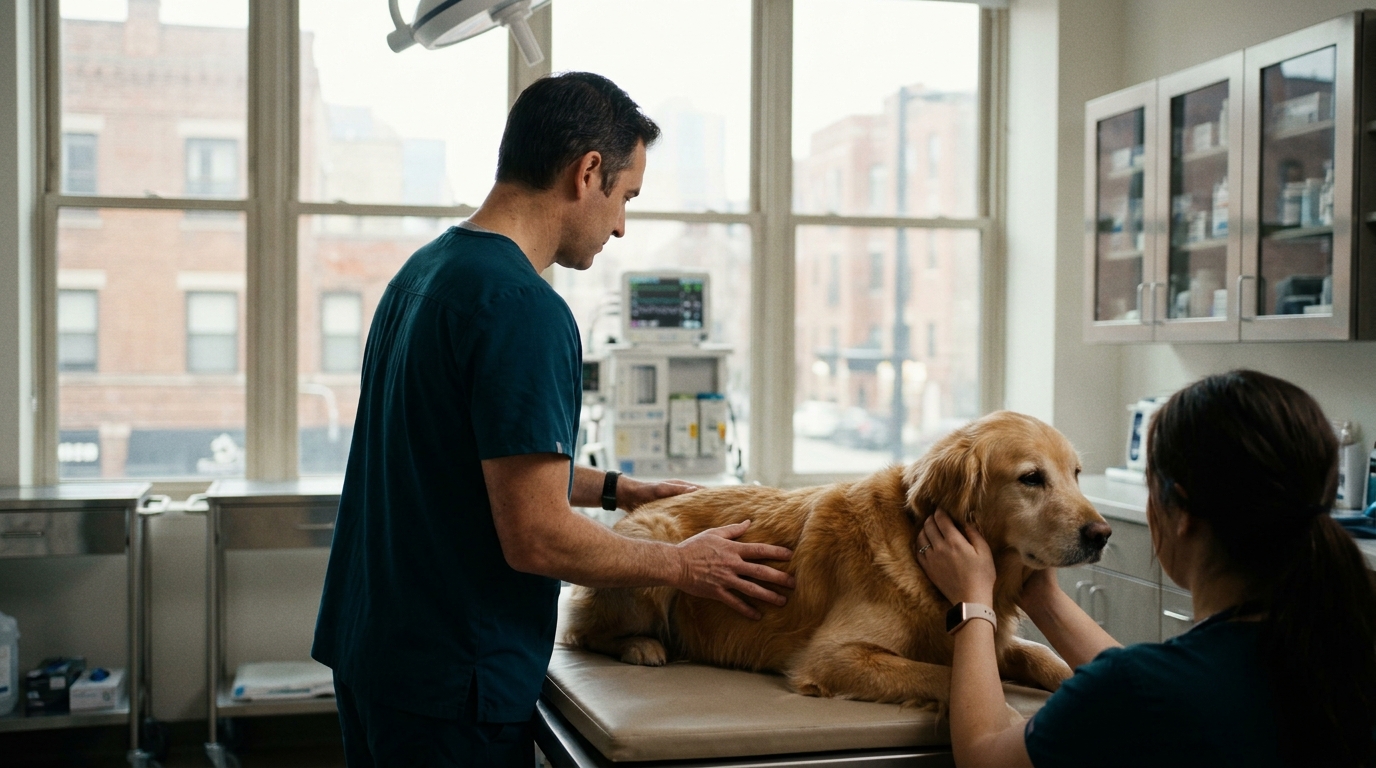
When a dog is diagnosed with a tumor, pet owners in Chicago often feel overwhelmed by the variety of surgical and non-surgical paths available. The right choice depends on the tumor's type, location, and your dog's overall health. VSx Veterinary Surgery provides board-certified surgical expertise to help guide these decisions with clarity and care.
1. Surgical Excision for Skin Tumors
Surgical excision is the standard treatment for most canine skin tumors. This procedure involves removing the mass along with a margin of healthy tissue to ensure complete removal. It is highly effective for mast cell tumors, lipomas, and other cutaneous growths. At VSx, our surgeons perform these procedures with precision to minimize recurrence risk.
2. Mast Cell Tumor Debulking
Debulking is a critical step when complete removal of a mast cell tumor is not immediately possible. Mast cell tumors can be aggressive and difficult to remove in a single session due to their infiltrative nature. Removing as much of the tumor as safely possible reduces the tumor burden and improves the effectiveness of subsequent therapies. Our team evaluates each case to determine if debulking is the appropriate first step.
3. Mammary Chain Removal
Mammary chain removal is the recommended approach for tumors in the breast tissue. Mammary tumors are common in unspayed female dogs and can be benign or malignant. Removing the entire chain of mammary glands reduces the risk of future tumors and allows for thorough histopathological evaluation. This extensive procedure requires specialized surgical skill and careful post-operative care.
4. Limb Amputation for Bone Tumors
Amputation is often the most effective treatment for primary bone tumors in the limbs. When a tumor affects the femur, tibia, or other limb bones, removing the affected limb can provide immediate pain relief and prevent the spread of cancer. Modern prosthetics and rehabilitation programs help many dogs adapt to life with three legs. This is a major decision that requires a thorough discussion with your veterinary team.
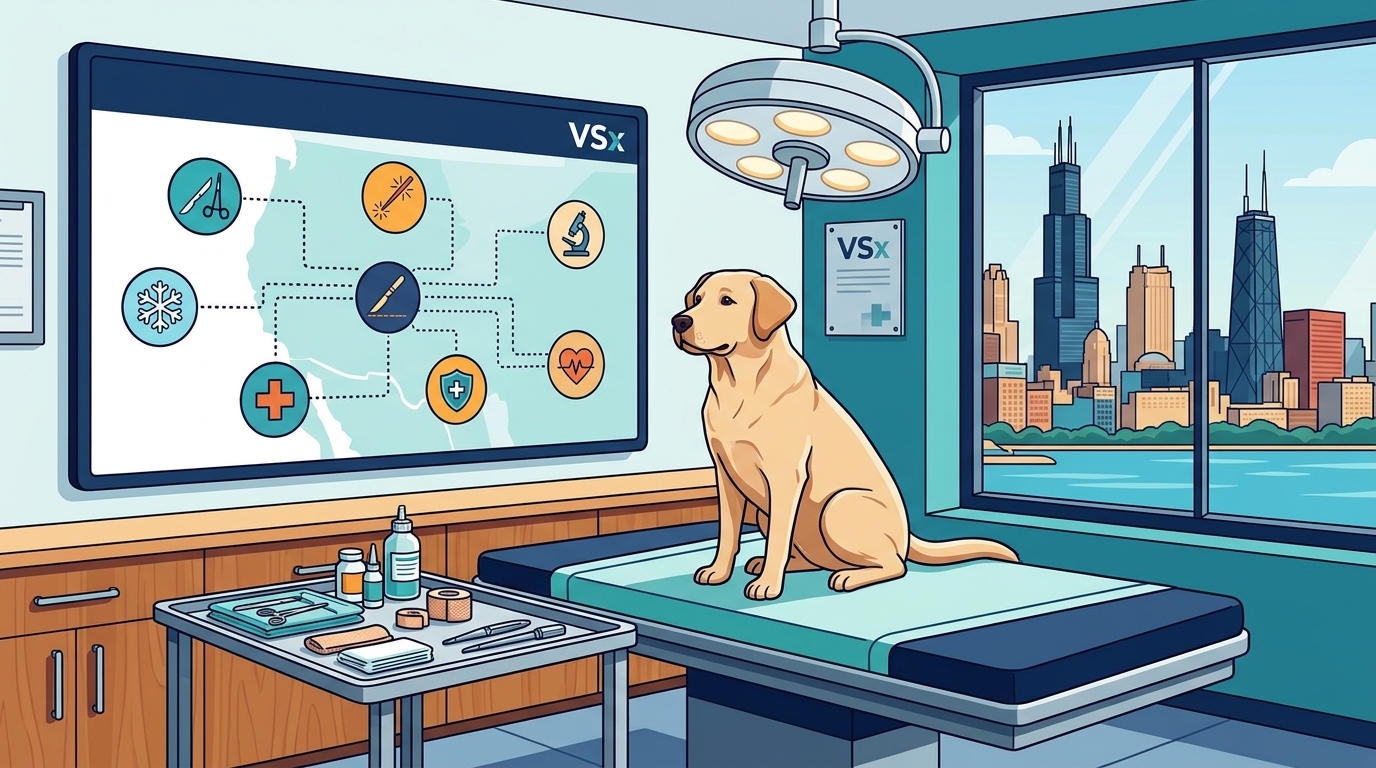
5. Internal Organ Tumor Removal
Internal organ tumor removal addresses growths in the spleen, liver, or other abdominal organs. Procedures such as splenectomy or hepatic lobectomy are performed when tumors are localized and have not metastasized. These surgeries require advanced soft tissue surgical skills and careful management of anesthesia. VSx surgeons are trained to handle these complex internal procedures with a focus on patient safety.
6. Pre-Surgical Diagnostic Imaging
Diagnostic imaging is essential for planning safe and effective tumor removal. CT scans and digital X-rays help surgeons understand the tumor's size, location, and relationship to surrounding structures. This information is critical for determining the surgical approach and predicting outcomes. VSx offers outpatient imaging services to support surgical planning for complex cases.
7. Collaborative Care with Oncologists
Choosing the Right Option
The appropriate tumor removal option for your dog depends on a detailed evaluation by a board-certified surgeon. Factors such as tumor type, location, and your dog's overall health all play a role in the decision. A collaborative approach with your primary veterinarian and surgical team ensures that you make an informed choice tailored to your pet's specific needs.
Frequently Asked Questions
How do I know if my dog's tumor needs surgery?
Your primary veterinarian will evaluate the tumor and determine if surgical removal is necessary. If specialized surgery is required, they may refer you to a board-certified surgeon for a consultation. The surgeon will perform a thorough evaluation and discuss all treatment options with you.
What should I expect on the day of surgery?
Can my dog receive diagnostic imaging without surgery?
Yes, advanced diagnostic imaging services, including CT scans and digital radiology, are available for non-surgical cases. These services can be used for standalone diagnostics or to support surgical planning. Our imaging team works closely with referring veterinarians to provide detailed diagnostic information.
How quickly can a surgery be scheduled?
We prioritize efficiency and strive to accommodate cases in a timely manner. Scheduling timelines vary by location and case complexity. For diagnostic imaging, availability should also be confirmed with your local clinic.
Do I need a referral to see a VSx surgeon?
VSx often collaborates closely with primary care veterinarians to coordinate care for their patients. Referral requirements and appointment scheduling can vary by location and surgical team, so pet owners should check with their local VSx practice or primary veterinarian.
What types of tumors do VSx surgeons remove?
VSx board-certified surgeons perform soft tissue surgery for a variety of tumors, including mast cell tumors, mammary tumors, and internal organ tumors. They also perform orthopedic procedures when bone tumors require surgical intervention. The specific procedure depends on the tumor's type, location, and your dog's overall health.
Next Steps for Pet Owners
If your dog has been diagnosed with a tumor, the next step is to consult with a board-certified veterinary surgeon. VSx Veterinary Surgery in Chicago offers advanced surgical care and diagnostic imaging to support your pet's treatment plan. To schedule a consultation or learn more about our services, contact our Chicago team.