
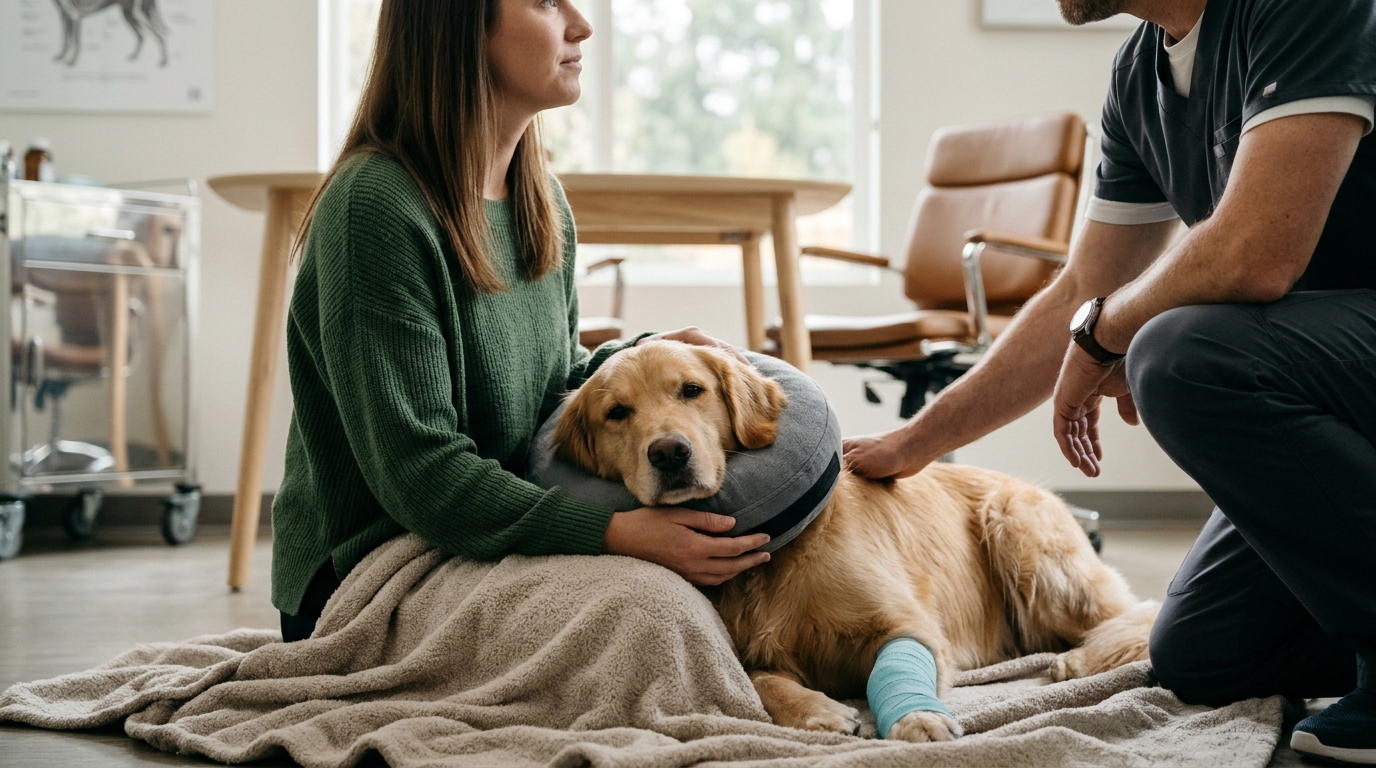
Orthopedic surgery is a specialized branch of veterinary medicine focused on repairing bones, joints, and ligaments in pets. When a dog or cat suffers from a fracture, ligament tear, or joint disease, surgical intervention can restore mobility and reduce pain. At VSx, our board-certified veterinary surgeons perform these advanced procedures with a dedicated focus on orthopedic and soft tissue care.
1. TPLO for Cranial Cruciate Ligament Tears
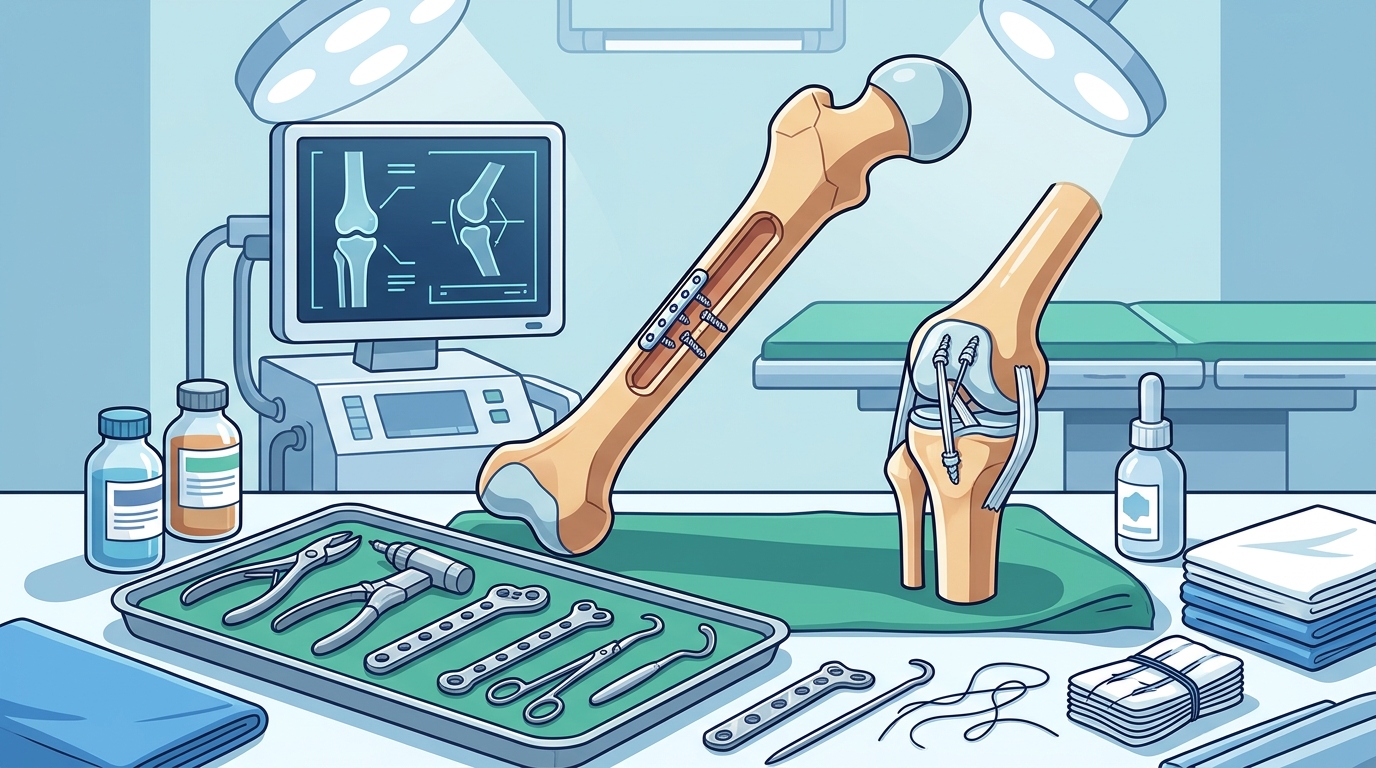
TPLO is the gold standard for repairing torn knee ligaments in dogs. This procedure involves cutting the tibia to change the angle of the joint, which stabilizes the knee without needing to replace the torn ligament. It is highly effective for active dogs and large breeds prone to cruciate ligament injuries. The surgery allows for a more predictable recovery and long-term joint stability.
2. Fracture Repair
3. Patellar Luxation Repair
Patellar luxation repair corrects a kneecap that slips out of its groove. This common condition in small and large breeds causes pain and lameness. Surgery involves realigning the kneecap and modifying the femur to keep it in place. Early intervention can prevent secondary joint damage and arthritis.
4. Femoral Head and Neck Ostectomy (FHO)
FHO is a salvage procedure that removes the diseased femoral head to create a false joint. This surgery is often recommended for small dogs with severe hip dysplasia or avascular necrosis. The body forms a fibrous false joint that allows for comfortable movement. It is a reliable option when joint replacement is not feasible.
5. Total Ear Canal Ablation (TECA)
TECA is a surgical procedure that removes the entire ear canal to treat chronic infections. While primarily an otologic procedure, it is often grouped with orthopedic and soft tissue surgeries due to the precision required. It is a salvage treatment for ears that have failed medical management. The procedure significantly improves quality of life by eliminating chronic pain and infection.
6. Brachycephalic Obstructive Airway Syndrome (BOAS) Correction
BOAS correction alleviates breathing difficulties in flat-faced breeds. This surgery addresses anatomical abnormalities in the upper airway, such as an elongated soft palate or stenotic nares. It is a critical procedure for brachycephalic dogs to improve oxygenation and exercise tolerance. The surgery is performed by surgeons experienced in complex soft tissue and airway anatomy.
7. Oncological Orthopedic Surgery
Oncological orthopedic surgery removes bone tumors to prevent spread and pain. When cancer affects the bones, surgical removal of the affected limb or joint may be necessary. This procedure is combined with other treatments like chemotherapy or radiation. It aims to provide a pain-free life and prevent the cancer from metastasizing to other parts of the body.
Choosing the Right Procedure
The choice of orthopedic surgery depends on the specific diagnosis, the pet's size, age, and activity level. A board-certified surgeon will evaluate imaging and clinical signs to recommend the most appropriate treatment. At VSx, we collaborate with your primary veterinarian to ensure the best possible outcome for your pet.
Frequently Asked Questions
What is the most common orthopedic surgery in dogs?
The most common orthopedic surgery in dogs is the TPLO (Tibial Plateau Leveling Osteotomy) for cranial cruciate ligament tears. This procedure stabilizes the knee joint and is widely performed due to the high incidence of ligament injuries in dogs.
Can cats undergo orthopedic surgery?
Yes, cats can undergo orthopedic surgery. While less common than in dogs, cats may require fracture repair, patellar luxation repair, or other joint procedures. Board-certified surgeons are experienced in the unique anatomical and physiological considerations of feline patients.
How long does recovery take after orthopedic surgery?
Recovery time varies by procedure and individual patient. Fracture repairs may require 8 to 12 weeks of restricted activity, while TPLO recovery can take several months. Strict adherence to post-operative care instructions is crucial for a successful recovery.
Is a referral required to see a VSx surgeon?
VSx primarily works with referring veterinarians, but pet owners can also contact us directly for a consultation. We encourage collaboration between primary care veterinarians and specialty surgeons to ensure comprehensive care.
What are the risks of orthopedic surgery in pets?
Like any surgery, orthopedic procedures carry risks such as infection, anesthesia complications, and implant failure. Board-certified surgeons minimize these risks through advanced techniques and careful patient monitoring. Discussing specific risks with your surgeon is essential before proceeding.
Where can I find a board-certified veterinary surgeon?
You can find board-certified veterinary surgeons at specialty practices like VSx. Our surgeons are Diplomates of the American College of Veterinary Surgeons (ACVS), ensuring they have completed rigorous training and certification in veterinary surgery.
Next Steps for Pet Owners
If your pet is showing signs of orthopedic pain or mobility issues, consult your primary veterinarian for an evaluation. If a referral to a specialty surgeon is recommended, meet our board-certified surgeons at VSx. We are committed to providing advanced surgical care and individualized treatment recommendations for your pet. Learn more: Veterinary Surgery Services Pricing.