
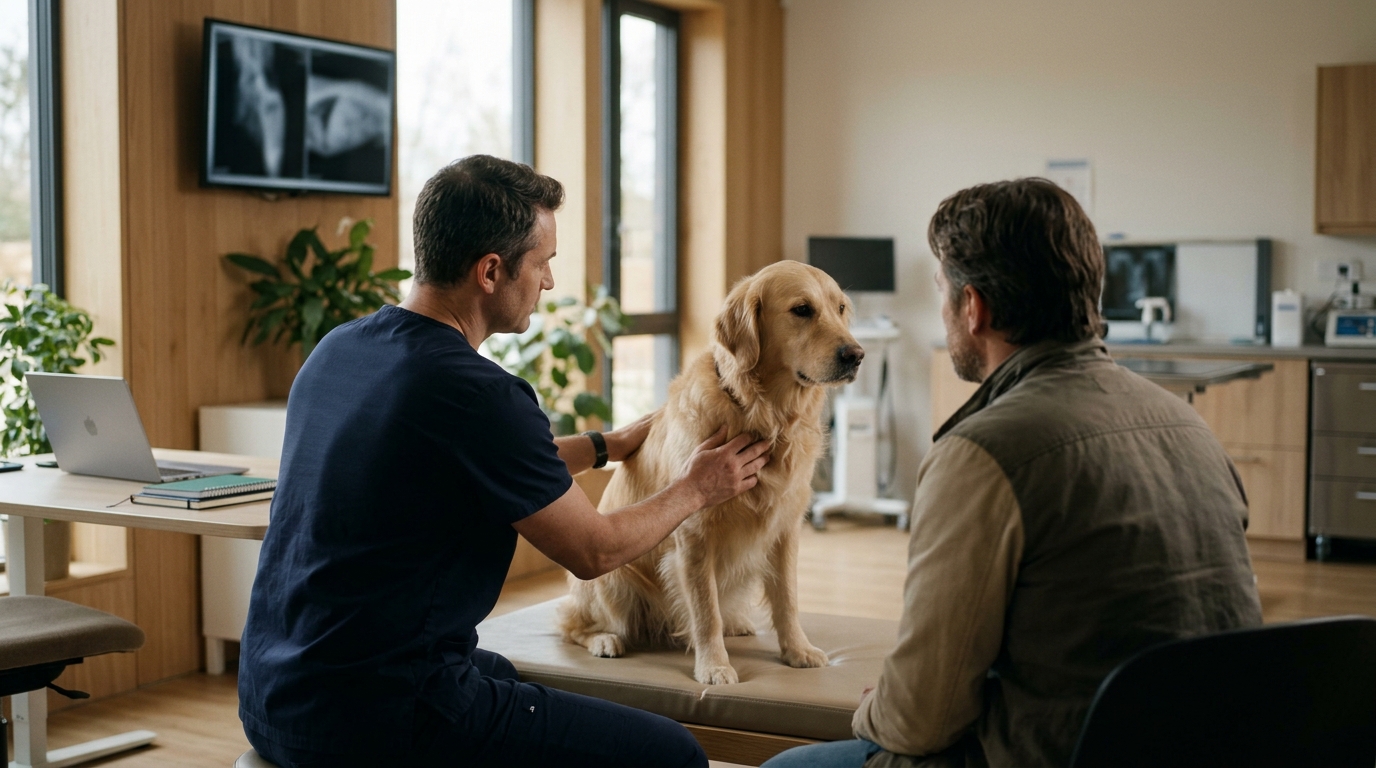
A second opinion visit is a dedicated consultation where a board-certified veterinary surgeon evaluates your dog's surgical needs to provide an independent assessment. At VSx Veterinary Surgery, this process involves a thorough physical examination, a detailed review of existing diagnostic imaging, and a clear discussion of treatment options. The goal is to ensure you have all the necessary information to make a confident decision about your pet's care. This article outlines the specific steps involved in this specialized evaluation.
The Pre-Visit Preparation Process
Before arriving at the clinic, the most critical step is gathering your dog's complete medical history. This includes previous surgical records, anesthesia notes, and any existing X-rays or CT scans. VSx surgeons rely on this data to avoid redundant testing and to focus on the specific surgical concerns. If your primary veterinarian has already performed diagnostics, ensure those files are transmitted to the surgical team prior to the appointment. This preparation allows the surgeon to form an initial perspective before meeting your pet.
Reviewing Diagnostic Imaging
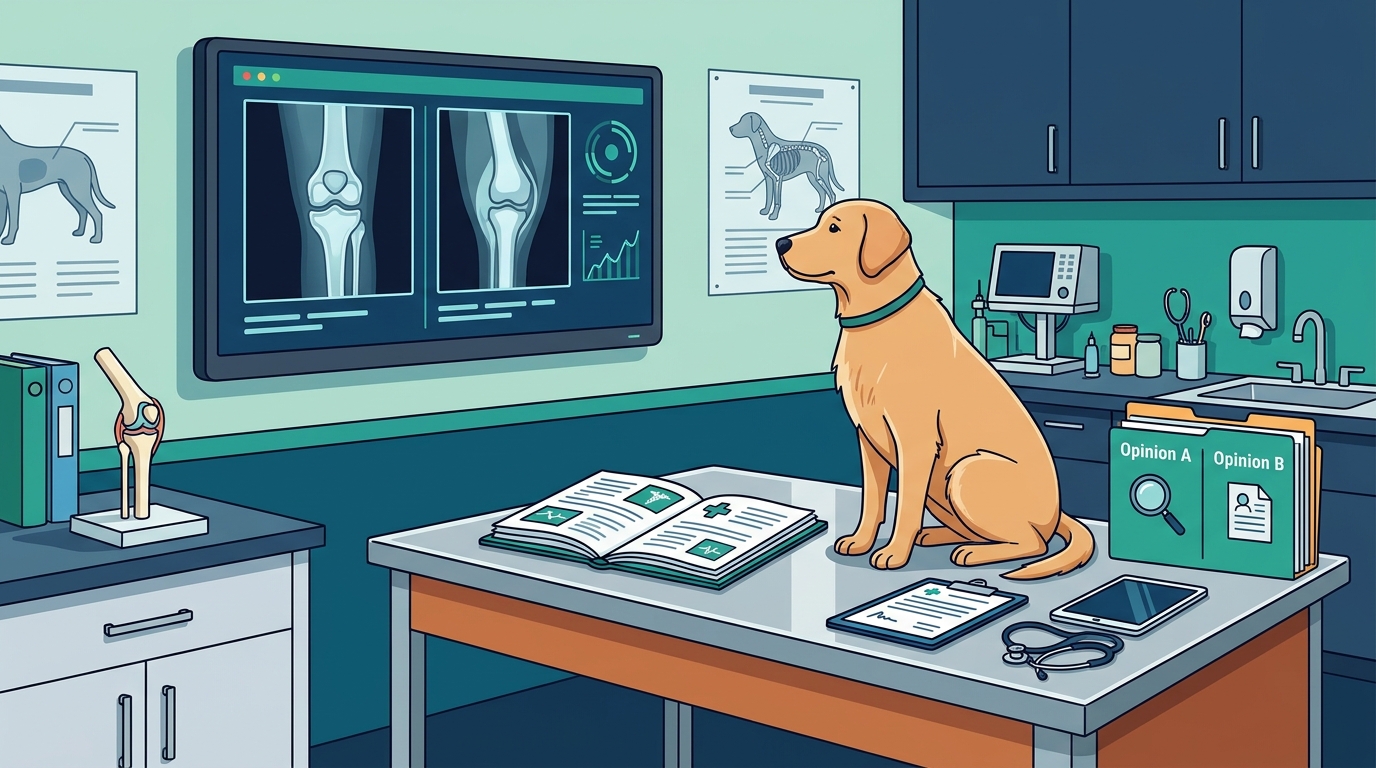
Diagnostic imaging is the backbone of surgical planning. A board-certified surgeon will review radiographs or CT scans to assess the anatomy of the affected area. For orthopedic cases, this might involve evaluating joint alignment or fracture patterns. For soft tissue cases, the surgeon looks for the size, location, and margins of any masses. Having high-quality images available ensures the evaluation is based on objective data rather than guesswork.
The Physical Examination and History
Upon arrival, the surgeon will conduct a comprehensive physical examination of your dog. This goes beyond checking the specific area of concern to assess overall health and anesthetic risk. The surgeon will ask detailed questions about your dog's behavior, pain levels, and daily activity. This history helps identify how the condition affects your pet's quality of life. The examination is designed to correlate the clinical signs with the imaging findings.
Assessing Anesthetic Risk
Every surgical candidate requires an anesthetic evaluation. The surgeon will review your dog's blood work and heart health to determine if they are a safe candidate for general anesthesia. This step is crucial for ensuring patient safety. If additional blood work is needed, it may be performed on-site or requested from your primary care veterinarian. This assessment is a standard part of the second opinion process.
Discussing Treatment Options and Recommendations
The core of the second opinion visit is the discussion of treatment options. The surgeon will explain the recommended surgical procedure, including the specific technique to be used. They will also discuss non-surgical alternatives if they are viable. This conversation is a two-way dialogue, and you are encouraged to ask questions about the risks, benefits, and expected recovery. The surgeon's role is to provide an individualized treatment recommendation based on their specialized training.
Understanding Surgical Techniques
For complex cases, the surgeon may explain the nuances of different surgical approaches. For example, in orthopedic surgery, they might discuss the differences between various fracture repair methods. This level of detail helps you understand why a specific technique is recommended for your dog's unique anatomy. The surgeon will clarify what the procedure entails and what to expect during the operation.
Collaborative Care and Next Steps
VSx operates on a model of collaborative care with referring veterinarians. If you decide to proceed with surgery, the surgical team will coordinate directly with your primary care veterinarian. This ensures that all parties are aligned on the treatment plan and post-operative care. If you choose not to proceed with surgery, the surgeon will provide a management plan to monitor the condition. The second opinion visit concludes with a clear set of next steps for you and your veterinary team.
Post-Visit Communication
After the visit, you will receive a summary of the findings and recommendations. This document serves as a record of the second opinion and can be shared with your primary veterinarian. If you have further questions, the VSx team is available to provide clarification. This ongoing communication ensures that you feel supported throughout the decision-making process.
Key Takeaways
- A second opinion visit is a specialized consultation focused on surgical evaluation and treatment planning.
- Pre-visit preparation involves gathering complete medical records and diagnostic imaging.
- The physical examination assesses both the surgical site and overall anesthetic risk.
- The surgeon provides an individualized treatment recommendation, including surgical and non-surgical options.
- VSx emphasizes collaborative care, ensuring communication between the surgeon and your primary veterinarian.
- The visit concludes with a clear summary of findings and next steps for your pet's care.
Frequently Asked Questions
Do I need a referral to see a VSx surgeon for a second opinion?
While VSx partners closely with referring veterinarians, referral policies and scheduling procedures can vary by location. It is best to contact your local VSx practice or your primary veterinarian directly to confirm referral requirements and discuss scheduling options for a consultation.
How long does a second opinion visit take?
A second opinion visit typically lasts between 30 and 60 minutes. This time allows for a thorough physical examination, review of diagnostic imaging, and a detailed discussion of treatment options. The exact duration may vary depending on the complexity of the case and the number of questions you have.
Will the surgeon perform surgery during the second opinion visit?
No, the second opinion visit is strictly for evaluation and consultation. No surgical procedures are performed during this appointment. The purpose is to provide you with a clear recommendation and to answer your questions. If you decide to proceed with surgery, a separate date will be scheduled for the operation.
What should I bring to the appointment?
You should bring your dog's complete medical records, including any previous X-rays, CT scans, or blood work. If you have digital copies of these records, it is helpful to have them available on a USB drive or in a cloud folder. This ensures the surgeon has access to all relevant information during the evaluation.
Can I ask the surgeon about the costs of surgery?
Yes, you can discuss estimated costs during the second opinion visit. The surgeon or a team member can provide a general estimate based on the recommended procedure. However, final costs may vary depending on the specific needs of your dog and any complications that may arise. It is important to discuss financial considerations before making a decision.
Conclusion
Seeking a second opinion is a responsible step in ensuring your dog receives the appropriate surgical care. At VSx Veterinary Surgery, our board-certified surgeons are committed to providing thorough evaluations and clear recommendations. We understand the importance of this decision and are dedicated to supporting you and your veterinary team. If you are considering a second opinion for your dog's surgery, we encourage you to reach out to schedule a consultation.
Meet our board-certified surgeons to learn more about the team that will be evaluating your pet. Learn more: Veterinary Surgery Services Pricing.