
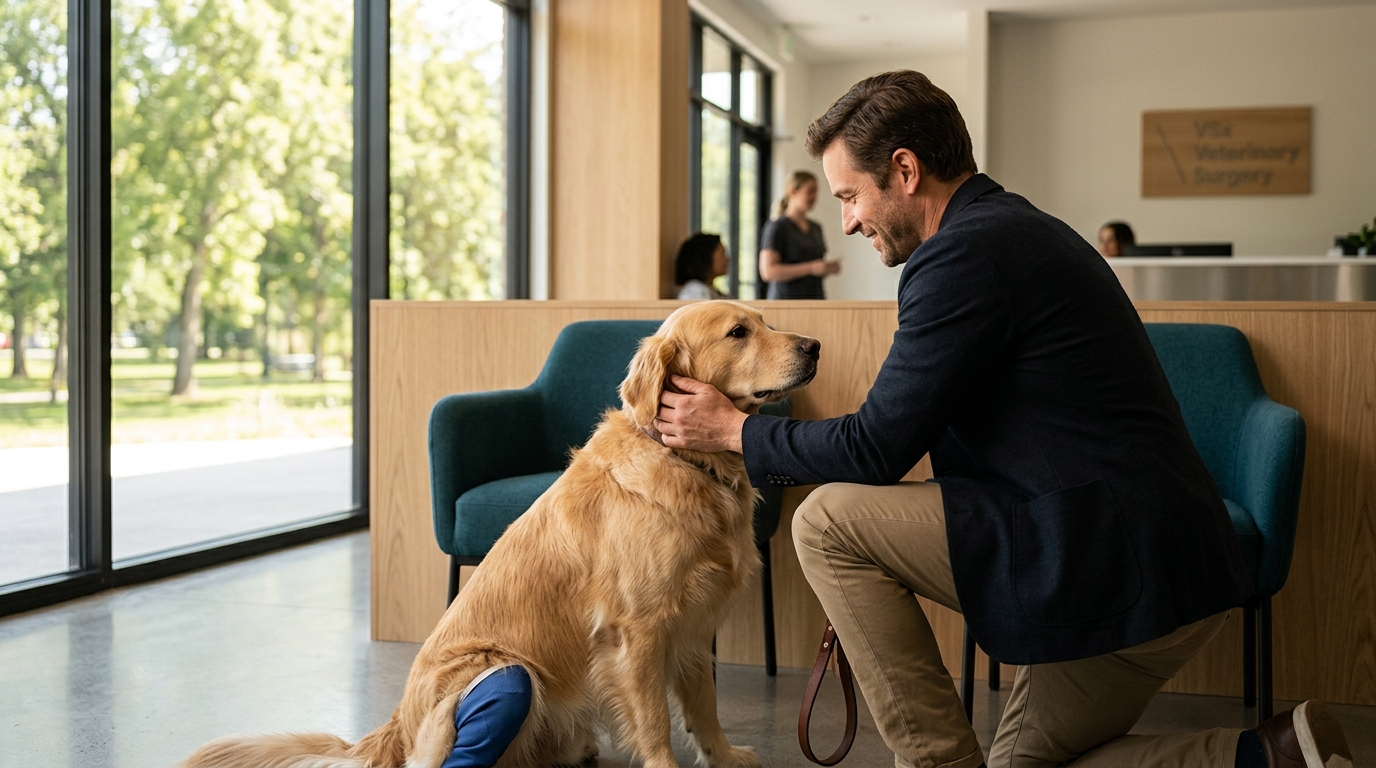
What Is a TPLO Procedure for My Dog?
Cruciate ligament injuries are among the most common orthopedic emergencies in dogs, affecting millions of pets annually. According to recent veterinary orthopedic data, the Tibial Plateau Leveling Osteotomy (TPLO) has emerged as the gold standard surgical intervention for stabilizing the stifle joint in medium to large breeds. This procedure fundamentally alters the biomechanics of the knee to restore function without relying on the damaged ligament. At VSx, we specialize in this advanced orthopedic surgery to provide your pet with the highest chance of returning to an active, pain-free life.
Understanding the TPLO Procedure
Before diving into the surgical details, it is vital to understand the anatomy involved. The cranial cruciate ligament (CCL) is the primary stabilizer of the dog's stifle joint, which is functionally equivalent to the human knee. When this ligament tears, the tibia (shin bone) shifts abnormally forward relative to the femur (thigh bone), causing severe pain, inflammation, and eventual arthritis.
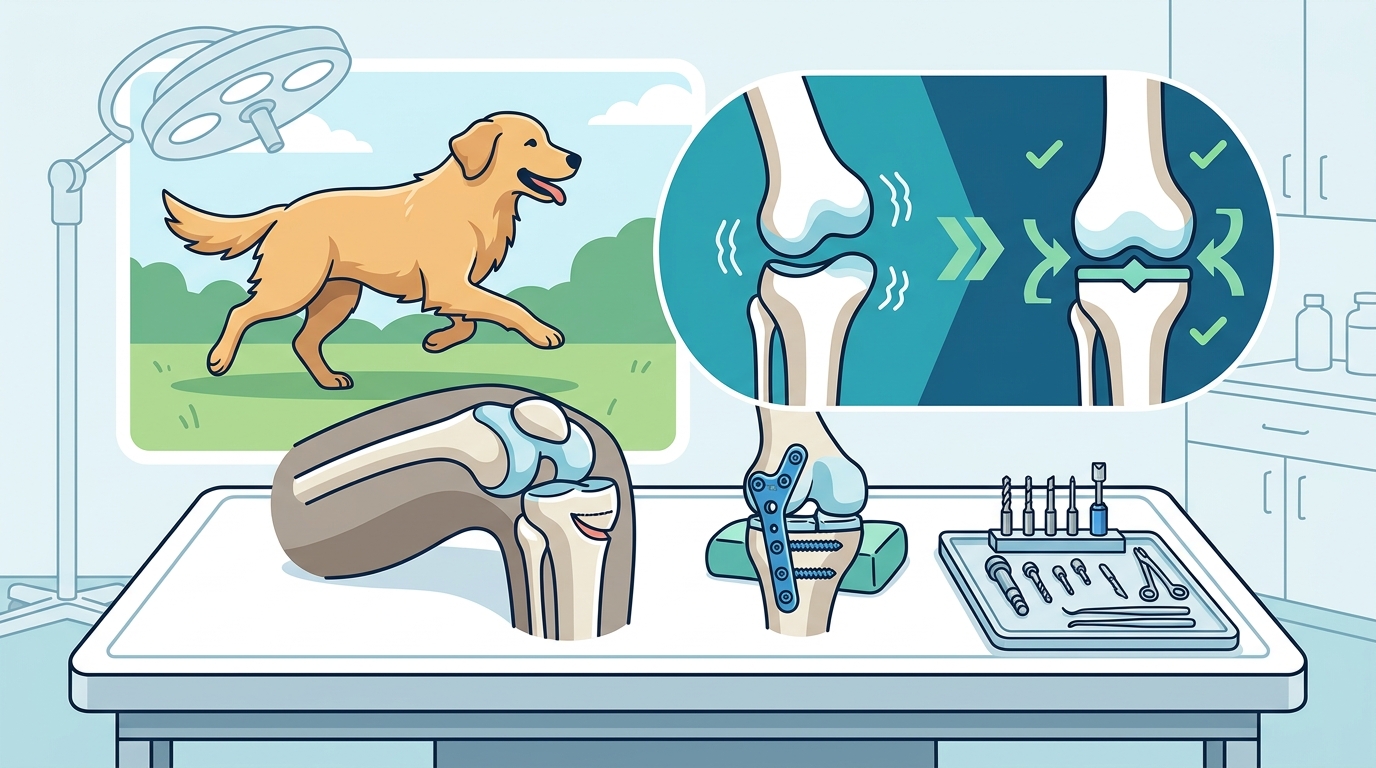
TPLO is a surgical technique that neutralizes this destructive force. The procedure involves cutting the tibia in a precise arc and rotating it to change the angle of the tibial plateau. By leveling this slope, the surgeon eliminates the shear force that causes the instability. The bone segment is then secured with a specialized plate and screws, allowing it to heal in its new, stable position.
This approach differs significantly from older methods that attempted to repair the ligament itself. Instead, TPLO works with the dog's anatomy to create a stable joint environment. The precision required for this cut demands advanced imaging and surgical expertise, which is why board-certified surgeons are essential for optimal outcomes.
Who Needs a TPLO?
While any dog can suffer a cruciate injury, certain breeds and body types are at higher risk. Large and giant breeds, such as Rottweilers, Labrador Retrievers, and Golden Retrievers, are particularly susceptible due to their weight and genetic predispositions. However, smaller breeds like French Bulldogs and Cocker Spaniels also frequently require this intervention.
If your veterinarian has recommended a TPLO, it is likely because your dog exhibits classic signs of CCL rupture. These include sudden lameness, reluctance to bear weight on the leg, and a "toe-touch" gait. Early intervention is critical. Delaying surgery can lead to further damage to the meniscus, a cartilage structure that acts as a shock absorber in the knee. Once the meniscus is torn, the prognosis for a full recovery becomes more complex.
At VSx Veterinary Surgery, we evaluate each patient individually. We consider the dog's age, weight, activity level, and the specific geometry of their tibia to determine if TPLO is the most appropriate surgical path. For some cases, alternative procedures like a Tibial Tuberosity Advancement (TTA) might be considered, but TPLO remains the most widely accepted standard for its predictable results.
The VSx Advantage in Veterinary Surgery
Choosing the right surgical team is just as important as choosing the right procedure. VSx is built on the principle that specialty veterinary surgery should be accessible and delivered by the highest caliber of professionals. Our team consists entirely of board-certified surgeons who have completed rigorous residency programs and passed demanding certification exams through the American College of Veterinary Surgeons (ACVS).
Our surgeons bring an average of 15 years of specialized experience to every case. This depth of knowledge ensures that complex anatomical variations are managed with precision. For example, our Chicago location, led by Dr. Marc Wosar, offers state-of-the-art diagnostic imaging including outpatient CT scans. These scans allow us to plan the osteotomy cut with millimeter accuracy before the surgery even begins.
We also prioritize collaborative care. VSx works closely with referring general practitioners and emergency veterinarians to ensure seamless transitions. Our mission is to expand access to board-certified veterinary surgeons while delivering exceptional value for pet owners. We understand that this is a significant decision, which is why we provide clear communication and comprehensive post-operative support.
Recovery and Rehabilitation
Recovery from a TPLO is a structured process that requires patience and consistency from the pet owner. The first few weeks are critical for bone healing. Your dog will need strict crate rest and limited leash walks for approximately eight to twelve weeks. During this time, the bone must fuse securely to the plate.
Pain management is a top priority. VSx surgeons utilize advanced anesthetic protocols and multimodal pain relief strategies to ensure your dog remains comfortable throughout the healing process. Effective pain management not only improves quality of life but also facilitates earlier participation in physical therapy.
Physical therapy plays a pivotal role in the long-term success of the procedure. Once the initial healing phase is complete, controlled exercises such as hydrotherapy, range-of-motion stretches, and gradual weight-bearing activities help restore muscle mass and joint stability. Many of our patients, especially those in our Chicago and Indianapolis clinics, benefit from our network of certified veterinary rehabilitation specialists.
Most dogs return to full activity within six months. While they may not regain the exact pre-injury biomechanics, the vast majority resume running, playing, and enjoying their lives without pain. The goal is not just survival, but a high quality of life.
TPLO vs. Traditional Methods
Historically, veterinarians relied on techniques like the lateral suture or extracapsular repair. These methods involve placing a strong suture around the joint to mimic the function of the torn ligament. While these procedures are less expensive upfront, they have higher failure rates in active or large dogs. The suture can stretch or break over time, leading to recurrent instability.
Another alternative is the Tibial Tuberosity Advancement (TTA). TTA also changes the biomechanics of the knee but does so by moving the patellar tendon forward. While TTA is a valid option, TPLO is often preferred for its ability to address the specific slope of the tibial plateau, which varies among breeds. Our surgeons at VSx evaluate these nuances to recommend the most effective surgical strategy for your specific dog.
| Procedure Type | Mechanism of Action | Best For | Long-Term Stability |
|---|---|---|---|
| TPLO | Levels tibial plateau to eliminate shear force | Active, large-breed dogs | High |
| TTA | Advances patellar tendon to balance forces | Medium to large breeds | High |
| Lateral Suture | External suture mimics ligament | Small, less active dogs | Moderate |
Key Takeaways
- TPLO is the gold standard for stabilizing the stifle joint in dogs with cranial cruciate ligament ruptures.
- The procedure involves cutting and rotating the tibia to neutralize the shear force that causes instability.
- Board-certified surgeons at VSx bring an average of 15 years of specialized experience to every case.
- Recovery requires strict rest for 8-12 weeks followed by structured physical therapy.
- VSx operates specialized surgical centers in Chicago, Indianapolis, and Nashville.
- Early intervention prevents secondary damage to the meniscus and surrounding joint structures.
- VSx utilizes advanced diagnostic imaging, including CT scans, for precise surgical planning.
Frequently Asked Questions
How long does a TPLO surgery take?
The surgical procedure itself typically takes between 45 minutes to an hour. However, the total time in the facility includes pre-operative diagnostics, anesthesia induction, and immediate post-operative monitoring. Our team ensures every step is handled with care to minimize stress for your pet.
What is the cost of a TPLO procedure?
The cost varies based on the complexity of the case, diagnostic imaging needs, and the specific location. VSx provides transparent pricing and works with pet insurance providers to help manage costs. We encourage you to contact our team for a detailed estimate tailored to your dog's needs.
Can my dog walk immediately after surgery?
Most dogs will bear some weight on the leg immediately after surgery, but they will not walk normally. Strict confinement and leash walks are required for the first eight weeks to allow the bone to heal. Early weight-bearing is actually a positive sign of the procedure's stability.
Is TPLO painful for my dog?
Pain is managed aggressively through a combination of local anesthesia during surgery, systemic pain medications, and anti-inflammatories. Our goal is to keep your dog comfortable throughout the recovery process. Effective pain management is a cornerstone of our surgical protocol.
Do I need a referral to see a surgeon at VSx?
While many patients come via referral from general practitioners, you can also contact us directly. We welcome inquiries from pet owners seeking specialized orthopedic care. Our staff will guide you through the intake process and help schedule an appointment.
What is the success rate of TPLO?
TPLO has a very high success rate, with the majority of dogs returning to full function. Complications are rare but can include infection or implant failure. Our board-certified surgeons monitor each case closely to mitigate these risks and ensure the best possible outcome.
Schedule Your Consultation Today
If you suspect your dog has a cruciate injury or have been recommended a TPLO, do not wait. Early surgical intervention leads to better long-term joint health and faster recovery. VSx is dedicated to providing the highest standard of surgical care for your pet.
Our board-certified surgeons are ready to evaluate your dog and create a personalized treatment plan. Whether you are in Chicago, Indianapolis, or Nashville, we are here to support you and your pet through every step of the journey.
Contact VSx Veterinary Surgery today to book an appointment and learn more about how we can help your dog regain mobility and comfort.