
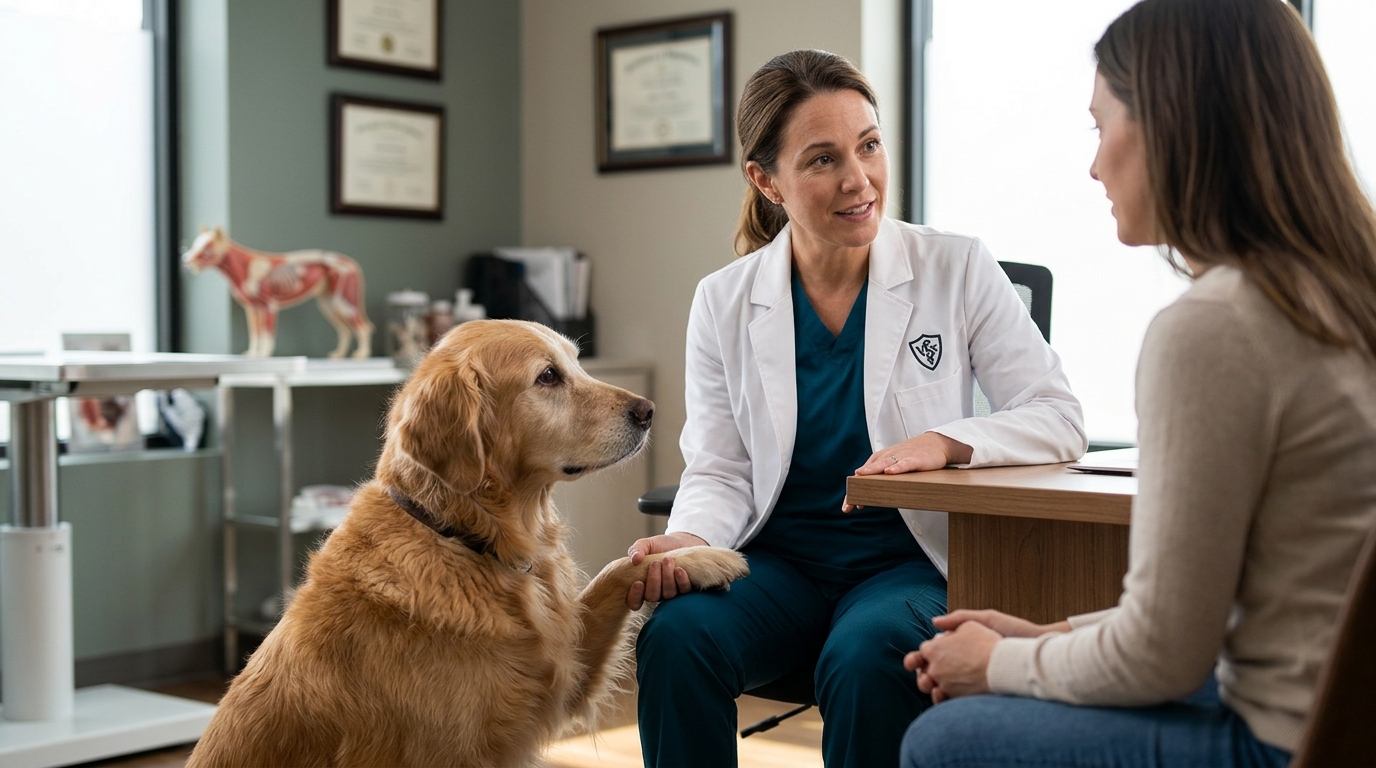
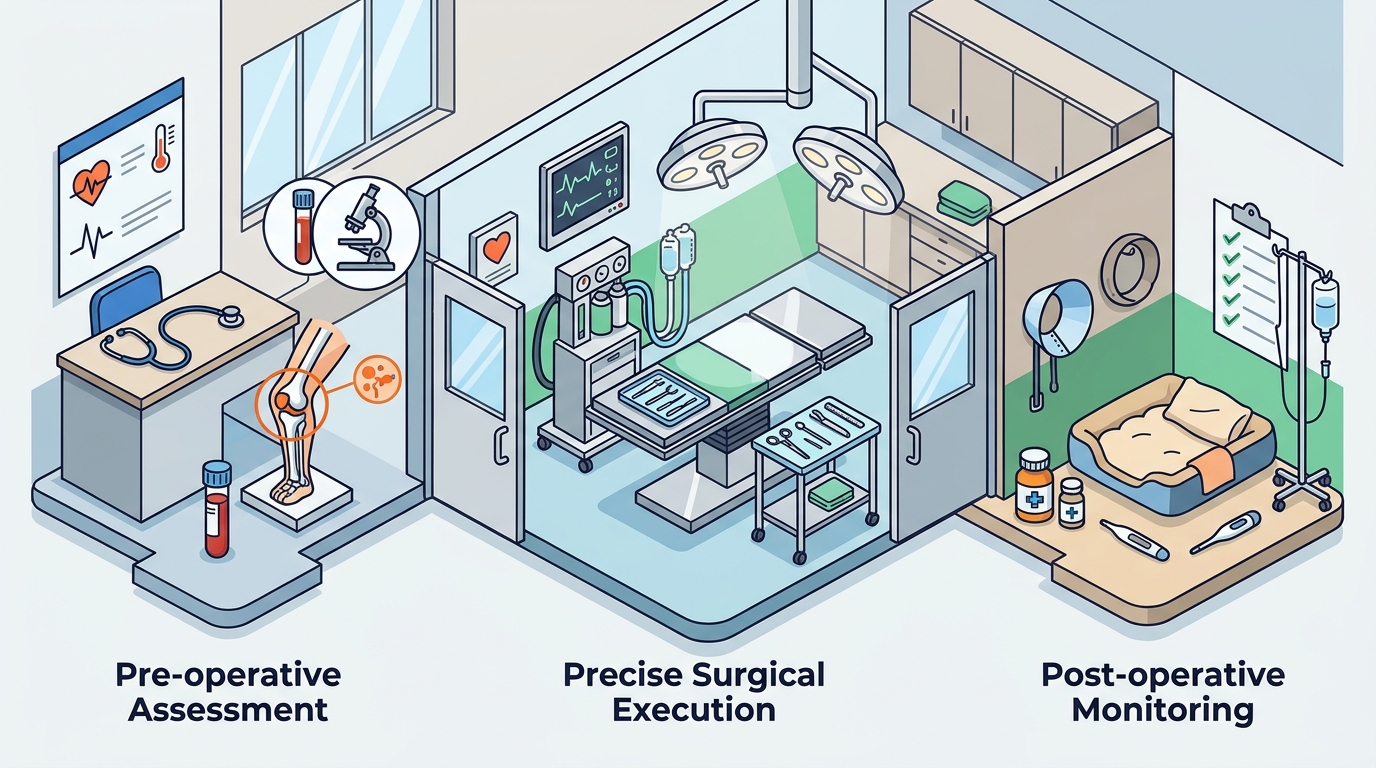
When your pet is scheduled for surgery, the process begins well before they enter the operating room. At VSx Veterinary Surgery, the surgical appointment is a structured sequence of pre-operative assessments, precise surgical execution, and careful post-operative monitoring. This timeline ensures that every patient receives individualized care from a board-certified veterinary surgeon, prioritizing safety and comfort at every stage of the procedure.
The Pre-Operative Assessment and Preparation
The surgical journey starts with a comprehensive pre-operative evaluation. This phase is critical because it establishes a baseline for your pet's health and identifies any risks that could affect anesthesia or healing. A board-certified veterinary surgeon is a specialist who has completed rigorous training to manage complex surgical cases, ensuring that the assessment is thorough and specific to the planned procedure.
During this stage, the veterinary team performs a physical examination and reviews diagnostic imaging, such as digital radiographs or CT scans, to plan the surgical approach. Blood work is often conducted to ensure your pet's organs are functioning properly before anesthesia. This preparation allows the surgical team to tailor the anesthetic protocol to your pet's specific needs, reducing potential risks and ensuring a smoother experience.
Arrival and Anesthesia Induction
On the day of surgery, your pet arrives at the facility following specific fasting instructions provided by the veterinary team. Fasting is essential to prevent regurgitation or aspiration while under anesthesia. Upon arrival, the veterinary team confirms your pet's identity and reviews the pre-operative plan. The environment is designed to be calm and comfortable, helping to reduce stress for both the pet and the owner.
Once in the pre-operative area, the team prepares your pet for anesthesia. This involves placing an intravenous catheter to administer fluids and medications. Anesthesia induction is a carefully monitored process where your pet is gently transitioned into a state of unconsciousness. The veterinary team continuously monitors vital signs, including heart rate, blood pressure, and oxygen levels, to ensure safety throughout the induction phase.
The Surgical Procedure and Monitoring
Once your pet is fully anesthetized and stable, they are moved to the operating suite. The surgical team, led by a board-certified veterinary surgeon, prepares the surgical site by clipping and cleaning the area to maintain a sterile environment. The surgeon then performs the procedure, whether it is an orthopedic repair, soft tissue excision, or oncological surgery. Throughout the operation, the veterinary team monitors your pet's physiological status in real-time.
Advanced monitoring equipment tracks anesthesia depth, temperature, and respiratory function. The surgical team works in a coordinated manner, with assistants and anesthesiologists ensuring that the procedure proceeds efficiently and safely. This collaborative approach allows the surgeon to focus entirely on the surgical technique while the support team manages the patient's overall well-being. The duration of the surgery varies depending on the complexity of the case, but the team remains vigilant until the procedure is complete.
Recovery and Post-Operative Care
After the surgery is complete, your pet is moved to a recovery area where they begin to wake up from anesthesia. This phase is critical as the veterinary team monitors for any immediate post-operative complications. The team manages pain and discomfort using appropriate analgesics, ensuring your pet is comfortable as they regain consciousness. Vital signs continue to be monitored closely during this transition period.
Once your pet is fully awake and stable, they are prepared for discharge or further observation, depending on the procedure. The veterinary team provides detailed post-operative care instructions, including wound care, activity restrictions, and medication schedules. Clear communication during this phase helps pet owners understand how to support their pet's recovery at home. The goal is to ensure a smooth transition from the hospital environment to the home setting.
Follow-Up and Long-Term Monitoring
The surgical appointment does not end with discharge. Follow-up appointments are scheduled to assess healing progress and address any concerns. During these visits, the veterinary team evaluates the surgical site, reviews radiographs if necessary, and adjusts the treatment plan as needed. This ongoing monitoring is essential for ensuring that the surgical outcome is successful and that your pet returns to their normal level of activity.
At VSx, the focus on collaborative care means that the surgical team maintains open lines of communication with your primary veterinarian. This ensures that all parties are aligned on the recovery plan and can respond promptly to any changes in your pet's condition. The follow-up process is a vital component of the surgical experience, providing peace of mind for pet owners and ensuring long-term health for their companions.
Key Takeaways
- Pre-operative assessments, including blood work and imaging, are essential for planning safe and effective surgery.
- Board-certified veterinary surgeons bring specialized expertise to complex cases, ensuring high standards of care.
- Anesthesia induction and monitoring are critical phases that prioritize patient safety and comfort.
- The surgical procedure is performed in a sterile environment with continuous physiological monitoring.
- Post-operative recovery involves careful monitoring, pain management, and detailed discharge instructions.
- Follow-up appointments are necessary to track healing and adjust the treatment plan as needed.
- Collaborative communication between the surgical team and primary veterinarian ensures comprehensive care.
Frequently Asked Questions
How long does a typical pet surgery appointment take?
The total time varies based on the complexity of the procedure. Pre-operative preparation and anesthesia induction may take several hours, while the surgery itself can range from under an hour to several hours. Recovery and monitoring add additional time, so pet owners should plan for a full day at the facility. according to Getting yourself healthy
What should I expect during the pre-operative assessment?
The assessment includes a physical exam, review of diagnostic imaging, and blood work to evaluate organ function. This helps the surgical team identify any risks and tailor the anesthetic plan to your pet's specific health status.
Is my pet in pain during the surgery?
No, your pet is under general anesthesia and receives pain management medications. The veterinary team monitors vital signs closely to ensure your pet remains comfortable and safe throughout the procedure.
How soon can my pet go home after surgery?
Many pets are discharged the same day once they are fully awake and stable. However, some complex cases may require an overnight stay for observation. The veterinary team will provide specific instructions based on your pet's condition.
What are the signs of a post-operative complication?
Do I need to fast my pet before surgery?
Yes, fasting is required to prevent regurgitation under anesthesia. The veterinary team will provide specific instructions on when to last feed your pet before the appointment. Follow these guidelines carefully to ensure safety.
Next Steps for Pet Owners
Understanding the surgical process helps pet owners feel more confident and prepared. If your veterinarian has recommended a referral for advanced surgical care, reaching out to a specialized practice is the next logical step. At VSx, the team is committed to providing clear communication and individualized treatment recommendations. To discuss your pet's specific needs, you can contact our Chicago team or reach out to our Indianapolis location to schedule a consultation.