
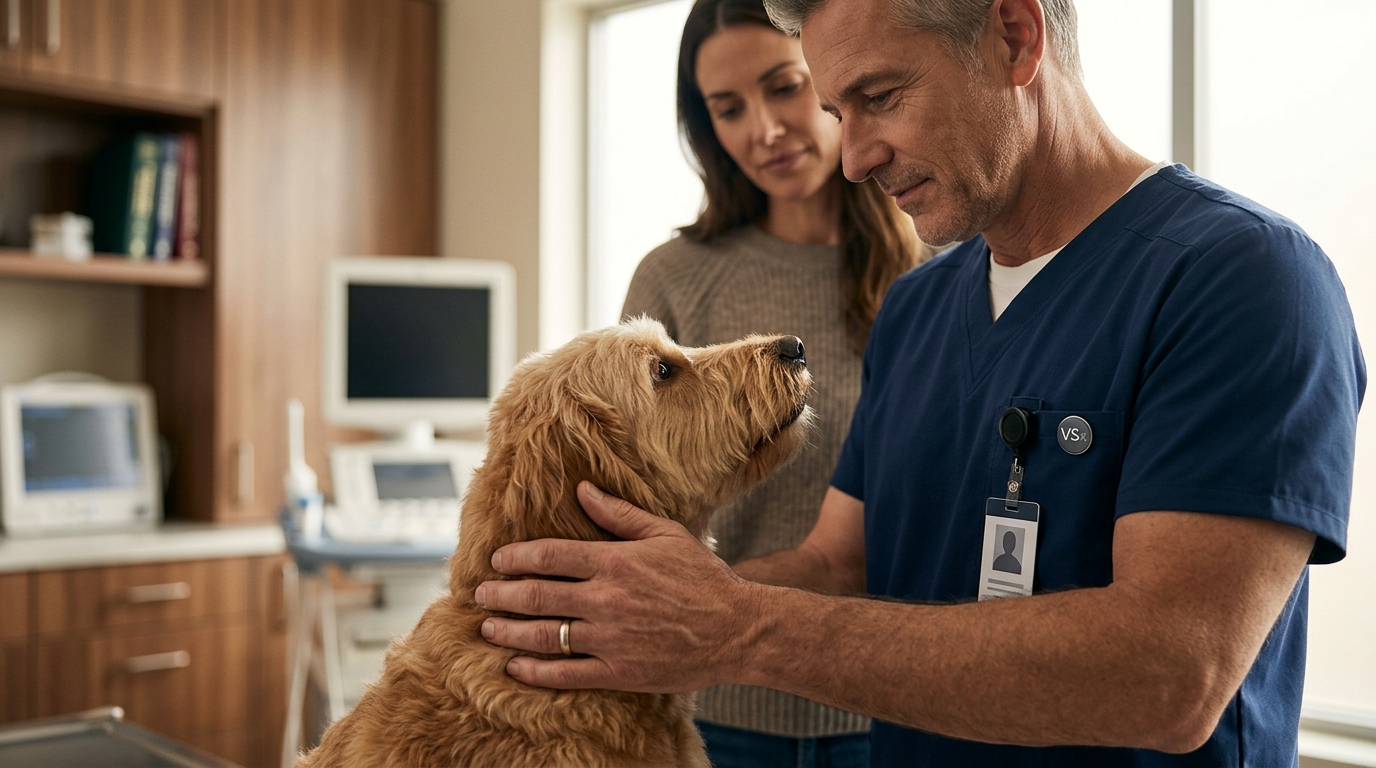
Choosing the right specialist for your pet is one of the most critical decisions a pet owner can make. According to the American College of Veterinary Surgeons, only a small fraction of veterinarians achieve board certification, representing the elite tier of surgical expertise in the field. This distinction is not merely a title but a rigorous validation of skill, ensuring your pet receives care from a Diplomate who has dedicated their entire career to complex surgical interventions. Understanding these credentials helps pet owners and referring veterinarians identify the highest standard of care available. (Board Certified Veterinary Surgery)
What Does Board Certification Mean?
Board certification in veterinary surgery is the gold standard for surgical proficiency. It signifies that a veterinarian has completed extensive post-graduate training and passed a rigorous examination administered by the American College of Veterinary Surgeons (ACVS). This process ensures that the surgeon possesses the advanced knowledge and technical skills required for complex procedures. (VSx Veterinary Surgery)
A board-certified surgeon is a Diplomate of the ACVS. This title is reserved for those who have demonstrated exceptional competence in areas such as orthopedic surgery, soft tissue surgery, and oncological surgery. The certification process is designed to protect animal welfare by ensuring that only the most qualified professionals perform high-risk surgeries. (Board Certified Veterinary Surgeons)
The Educational Pathway to ACVS Diplomate
The journey to becoming a board-certified surgeon begins with a Doctor of Veterinary Medicine (DVM) degree. However, this is just the starting line. After veterinary school, candidates must pursue specialized training that far exceeds the scope of general practice.
One key definition is essential here: Board certification is a voluntary process that validates a veterinarian's expertise in a specific surgical specialty beyond the requirements of licensure. This voluntary nature ensures that only those truly committed to surgical excellence pursue the designation.
The ACVS sets strict criteria for candidates. These include holding a DVM degree from an accredited institution and completing specific clinical experiences. The college maintains high standards to ensure that all Diplomates are equipped to handle the most challenging surgical cases.
Internship and Residency Requirements
After veterinary school, aspiring surgeons must complete an internship followed by a residency. This phase is critical for developing the hands-on skills necessary for independent practice.
The residency typically lasts three to four years. During this time, residents work under the supervision of experienced Diplomates. They perform hundreds of surgeries, gaining exposure to a wide variety of conditions and techniques. This intensive training is what distinguishes a specialist from a general practitioner.
Another critical definition: A surgical residency is a structured, multi-year training program focused on the advanced diagnosis and treatment of complex medical and surgical conditions in animals. Residents are expected to publish research and present cases at national conferences, contributing to the broader body of veterinary knowledge.
The intensity of this training ensures that by the end of the residency, the surgeon is prepared to manage complications and perform intricate procedures with precision. This level of training is rarely available in general practice settings.
The Certification Examination Process
Upon completing the residency, candidates must pass a rigorous certification examination. This exam tests both written knowledge and practical surgical skills. It is designed to be challenging, ensuring that only those who have truly mastered the specialty achieve Diplomate status.
The examination process includes a written component that covers anatomy, physiology, and surgical techniques. It also includes a practical component where candidates must demonstrate their ability to perform surgeries correctly. This dual assessment ensures that Diplomates are both theoretically knowledgeable and practically skilled.
Passing this exam is a significant milestone. It marks the transition from a resident to a fully qualified board-certified surgeon. The ACVS maintains the integrity of this process by regularly updating the exam content to reflect advancements in veterinary medicine.

VSx Surgeon Credentials and Expertise
At VSx, we are proud to be led by a team of board-certified surgeons who have completed these rigorous training pathways. Our surgeons bring an average of 15 years of experience to every case, ensuring that your pet receives care from experts who have dedicated their careers to surgery.
Our Chicago location is led by Dr. Marc Wosar, a board-certified surgeon with over 20 years of experience. He is joined by Dr. Rebecca Ball, Dr. Alexander Piazza, and Dr. Paula West, all of whom are Diplomates of the ACVS. This team provides comprehensive orthopedic and soft tissue surgery services.
In Indianapolis, our facility is led by Dr. Brian Martin and Dr. Kate Fitzwater, both board-certified surgeons with extensive training in complex surgical cases. Their expertise ensures that patients in Indiana have access to the same high standard of care as those in Chicago.
Our surgeons utilize state-of-the-art diagnostic and surgical equipment, including outpatient CT scans. This technology allows for precise pre-surgical planning and improved outcomes. We are committed to expanding access to board-certified veterinary surgeons in our communities.
VSx vs. General Veterinarians
While general veterinarians play a vital role in pet health, they do not have the same level of specialized training in surgery. General vets are skilled in routine procedures such as spays, neuters, and minor mass removals. However, complex cases require a different level of expertise.
A key distinction is that board-certified surgeons devote their entire careers to surgery, whereas general veterinarians manage a broad range of medical and surgical cases. This focus allows specialists to stay current with the latest techniques and technologies.
As veterinary clinics modernize, the practice of mentoring veterinarians in advanced surgical techniques is increasingly limited. This makes the role of board-certified surgeons even more critical for pets with complex needs. Referring pets to a specialist like VSx ensures they receive the best possible care.
Key Takeaways
- Board certification requires a DVM degree, a 3-4 year residency, and passing a rigorous ACVS examination.
- Diplomates of the ACVS have an average of 15 years of surgical experience.
- VSx surgeons are all board-certified and focus exclusively on complex surgical cases.
- Our Chicago facility opened in 2024, led by Dr. Marc Wosar.
- Our Indianapolis facility opened in 2026, led by Dr. Brian Martin.
- Specialists use advanced technology like outpatient CT scans for precise diagnostics.
- Referring veterinarians trust VSx for clear communication and exceptional outcomes.
Frequently Asked Questions
What is the difference between a general vet and a board-certified surgeon?
A general veterinarian treats a wide range of health issues, while a board-certified surgeon specializes exclusively in complex surgical procedures after completing years of additional training.
How long does it take to become a board-certified veterinary surgeon?
It typically takes four years of veterinary school, followed by a three to four year residency program, and then the completion of rigorous certification examinations.
What does ACVS stand for?
ACVS stands for the American College of Veterinary Surgeons, the organization that grants board certification to veterinary surgeons.
Why is board certification important for my pet?
Board certification ensures that your pet is being treated by a surgeon who has demonstrated exceptional skill and knowledge in complex surgical cases, leading to better outcomes.
Does VSx offer emergency surgery?
VSx specializes in scheduled specialty surgeries. For emergency cases, we collaborate with local emergency veterinary clinics to ensure your pet receives immediate care.
What types of surgeries do VSx surgeons perform?
Our surgeons perform orthopedic surgeries, soft tissue surgeries, and oncological procedures, utilizing advanced diagnostic imaging for precise treatment planning.
How do I refer a patient to VSx?
Referring veterinarians can contact our team directly to discuss patient needs and schedule appointments for specialized surgical care.
Contact VSx for Specialist Care
If your pet requires complex surgical care, trust the experts at VSx. Our board-certified surgeons are dedicated to providing the highest standard of surgical outcomes. Contact our Chicago or Indianapolis locations today to schedule a consultation.
Visit VSx Veterinary Surgery to learn more about our services and meet our team.