
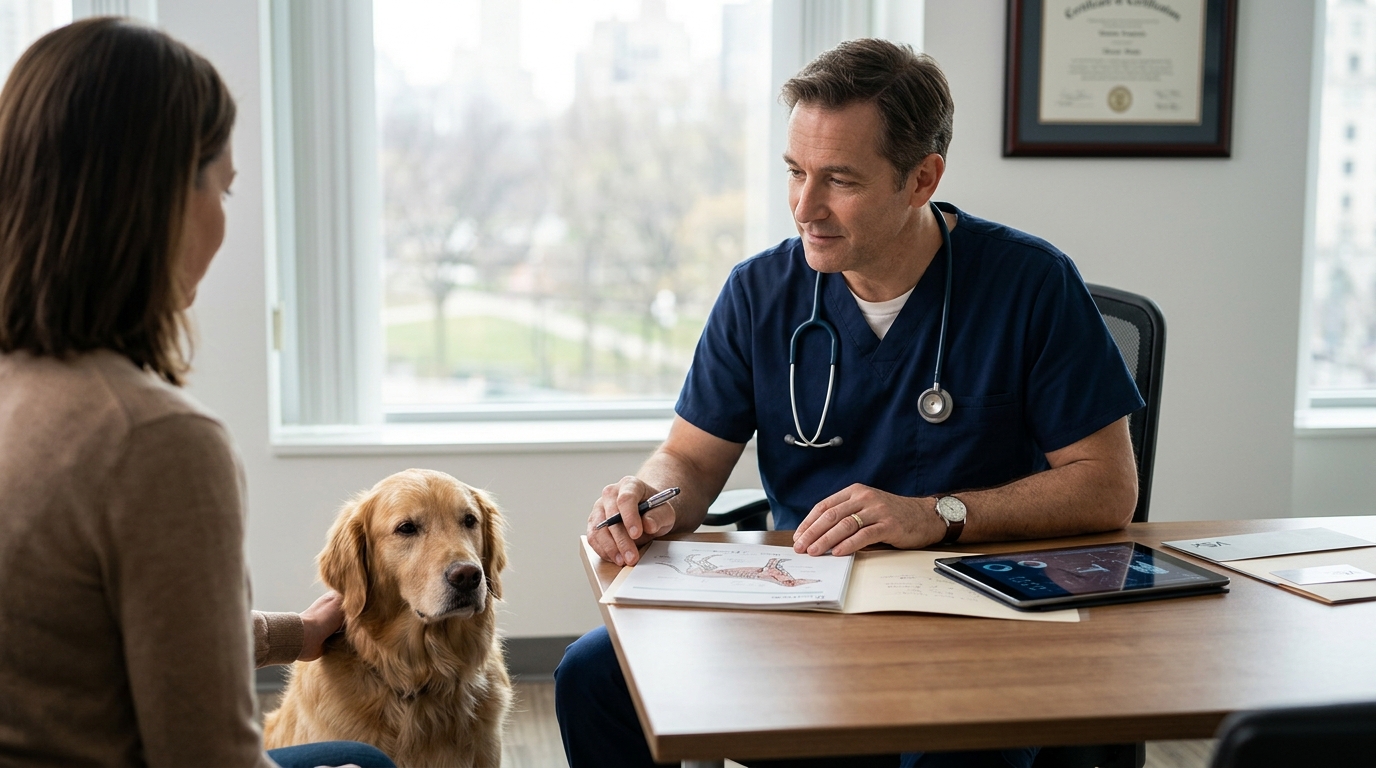
When a pet faces a complex medical condition, the decision to seek a second opinion is often the most critical step in their treatment journey. According to recent industry data, approximately 30% of veterinary referrals involve cases where the initial diagnosis or treatment plan was revised after specialist review. This statistic highlights the vital importance of evaluating the qualifications of the consulting surgeon before booking an appointment. A second opinion is not merely a confirmation of the first diagnosis but a rigorous re-evaluation of the patient's anatomy, pathology, and surgical options by a dedicated expert. (Board Certified Veterinary Surgery)
Understanding Board Certification and ACVS Diplomate Status
The most significant qualification to look for in a veterinary surgeon is board certification. This credential distinguishes a specialist from a general practitioner who may perform routine surgeries. A board-certified veterinary surgeon is a veterinarian who has completed years of extra, specialized training after veterinary school. To earn this title, they must complete an internship and a three to four year surgical residency. This process involves thousands of hours working alongside experienced surgeons under strict supervision.
Only after this rigorous process can they be called a Diplomate of the American College of Veterinary Surgeons (ACVS). This designation signifies that the surgeon has met the highest standards of education, training, and examination in the field. When evaluating a second opinion provider, verify that the surgeon holds this specific credential. It ensures they possess advanced expertise in complex procedures, including orthopedic, neurologic, and oncological surgeries. Without this certification, the surgeon may lack the specialized depth required for complex cases.
For more details on what this certification entails, you can review the board-certified surgeon profiles at VSx. These profiles provide transparency regarding each doctor's specific training and background. Understanding this hierarchy helps pet owners distinguish between a general vet performing surgery and a true specialist dedicated to surgical excellence.
Evaluating Specialized Surgical Services and Technology
A qualified second opinion provider must offer a comprehensive suite of specialized services. General practices often lack the specific equipment or staff to handle complex orthopedic or soft tissue cases. A dedicated surgical center focuses exclusively on these procedures, allowing for faster diagnostics and more precise surgical solutions. Look for providers who offer advanced imaging, such as digital X-rays and outpatient CT scans. These technologies are essential for accurate pre-surgical planning and post-operative assessment.
Orthopedic surgery requires precision that goes beyond standard practice capabilities. From TPLO surgeries to advanced fracture repairs, the team must have specific expertise in restoring mobility. Similarly, soft tissue surgery involves a range of procedures, from tumor removals to reconstructive surgeries. Oncological surgery is another critical area where specialized knowledge directly impacts patient survival rates. A provider that offers all these services under one roof ensures a coordinated approach to your pet's care.
At VSx, the commitment to specialized care is evident in their services and pricing structure. This transparency allows pet owners to understand the scope of care provided. The focus on surgery-only facilities means that every resource is dedicated to surgical outcomes. This model reduces the risk of cross-contamination and ensures that the surgical team is always prepared for complex cases. Evaluating the range of services ensures that the second opinion provider can handle the full spectrum of your pet's needs.
Assessing Surgeon Experience and Team Expertise
Experience is a critical factor in surgical success. Board-certified surgeons at top-tier facilities typically have an average of 15 years of experience. This level of experience translates to thousands of successful procedures and a deep understanding of surgical complications. When reviewing a surgeon's background, look for their specific area of focus. Some surgeons may specialize in orthopedics, while others excel in soft tissue or oncology.
The surgical team is equally important. A highly experienced surgeon leads a team of veterinary technicians and nurses who are trained in surgical support. This team works collaboratively to ensure patient safety during anesthesia and recovery. The quality of a practice is often dependent on the present, independent ownership and leadership. Surgeon-owned and led practices, like VSx, prioritize clinical excellence over volume. This structure fosters a culture of continuous learning and improvement.
Dr. Marc Wosar, a board-certified surgeon at VSx Chicago, has over 20 years of experience. His approach emphasizes thorough diagnosis and clear communication with both referring veterinarians and pet owners. Similarly, Dr. Brian Martin at VSx Indianapolis brings more than 15 years of experience to his practice. These examples illustrate the value of seeking out surgeons with extensive, documented histories. You can meet the doctors at VSx to learn more about their specific backgrounds and expertise.
Facility Standards and Diagnostic Capabilities
The physical environment in which surgery is performed plays a significant role in patient outcomes. State-of-the-art diagnostic and surgical equipment is a non-negotiable requirement for a qualified second opinion provider. This includes advanced anesthesia monitoring, sterile surgical suites, and specialized imaging technology. The facility should be designed to minimize stress for the patient and maximize efficiency for the surgical team.
Outpatient CT scans are a prime example of advanced diagnostic capability. This technology allows for quick, accurate diagnoses for complex cases without the need for hospitalization. It provides a three-dimensional view of the anatomy, which is crucial for planning intricate surgeries. Digital X-rays offer immediate feedback, allowing the team to adjust surgical plans in real-time. These technological advantages are often unavailable in general practice settings.
VSx operates facilities in Chicago, Indianapolis, and Nashville, each equipped with these advanced technologies. The Chicago location, opened in 2024, is situated in the heart of North Center. The Indianapolis facility, opened in 2026, serves patients throughout greater Indiana. These locations are designed to be integral parts of their local communities. You can find more information about the locations and contact details for each facility on their website. Ensuring the facility meets these high standards is essential for a successful second opinion.
Communication Protocols and Referral Collaboration
Effective communication is the bridge between the second opinion provider and the pet owner. A qualified surgeon takes the time to explain the diagnosis, treatment options, and prognosis in clear, understandable terms. This includes discussing the risks and benefits of each surgical option. The surgeon should also communicate directly with the referring veterinarian to ensure continuity of care.
Dr. Andrew Bean, Medical Director at BLVD Vet, has praised Dr. Wosar for his thorough approach and clear communication. He notes that Dr. Wosar takes the time to ensure everyone is well-informed and comfortable with the surgical process. This level of communication builds trust and reduces anxiety for pet owners. It also ensures that the primary veterinarian is fully aligned with the surgical plan.
VSx is committed to providing exceptional value for patients, pet owners, and referring veterinarians. This commitment is reflected in their collaborative care model. They work closely with general practice, emergency, and other specialist veterinarians to provide the best possible outcomes. You can learn more about their mission and values on the VSx website. A strong referral network indicates a provider that is respected and trusted within the veterinary community.
Key Takeaways for Pet Owners
- Verify Board Certification: Ensure the surgeon is a Diplomate of the ACVS, indicating years of specialized training and rigorous examination.
- Check Experience Levels: Look for surgeons with an average of 15 or more years of experience in complex surgical procedures.
- Evaluate Technology: Confirm the facility offers advanced diagnostics like outpatient CT scans and digital X-rays for precise planning.
- Assess Specialization: Choose a surgery-only facility that specializes in orthopedic, soft tissue, and oncological procedures.
- Review Communication: Prioritize providers who demonstrate clear, compassionate communication with both pet owners and referring vets.
- Consider Location: Utilize facilities in Chicago, Indianapolis, or Nashville for access to top-tier surgical care.
- Trust Referral Networks: Seek providers with strong endorsements from general practitioners and medical directors.
Frequently Asked Questions
What is the difference between a general veterinarian and a board-certified surgeon?
A general veterinarian is trained to perform routine surgeries like spays and neuters. A board-certified surgeon has completed additional years of specialized residency training and rigorous examinations to handle complex orthopedic, soft tissue, and oncological cases.
Why is a second opinion important for veterinary surgery?
A second opinion provides a fresh perspective on complex diagnoses, ensuring that all treatment options are considered. It can confirm the initial diagnosis or reveal alternative surgical approaches that may offer better outcomes for the pet.
What should I look for in a veterinary surgery facility?
Look for state-of-the-art diagnostic equipment, such as CT scanners and digital X-rays. The facility should be surgery-focused, with a team of highly experienced surgeons and support staff dedicated to surgical excellence.
How do I verify a surgeon's credentials?
You can verify a surgeon's credentials by checking if they are a Diplomate of the American College of Veterinary Surgeons (ACVS). Reputable facilities like VSx provide detailed profiles of their surgeons, including their education and experience.
What types of surgeries do specialized veterinary surgeons perform?
Specialized surgeons perform complex orthopedic surgeries, such as TPLO and fracture repairs. They also handle advanced soft tissue procedures, tumor removals, and oncological surgeries that require precise technique and specialized equipment.
Can a second opinion change the treatment plan?
Yes, a second opinion can lead to a revised treatment plan. It may offer alternative surgical techniques, different timing for the procedure, or additional diagnostic steps that were not considered in the initial evaluation.
How does VSx support referring veterinarians?
VSx collaborates closely with referring veterinarians to ensure continuity of care. They provide clear communication regarding diagnosis, treatment, and post-operative care, ensuring that the primary vet is fully informed and aligned with the surgical plan.
Schedule Your Second Opinion Today
When your pet's health is on the line, the quality of care matters. By evaluating the essential qualifications of a veterinary surgery second opinion provider, you can ensure your pet receives the best possible care. VSx offers board-certified surgeons, state-of-the-art technology, and a commitment to exceptional outcomes. Book an appointment with VSx to discuss your pet's needs and explore your options.