
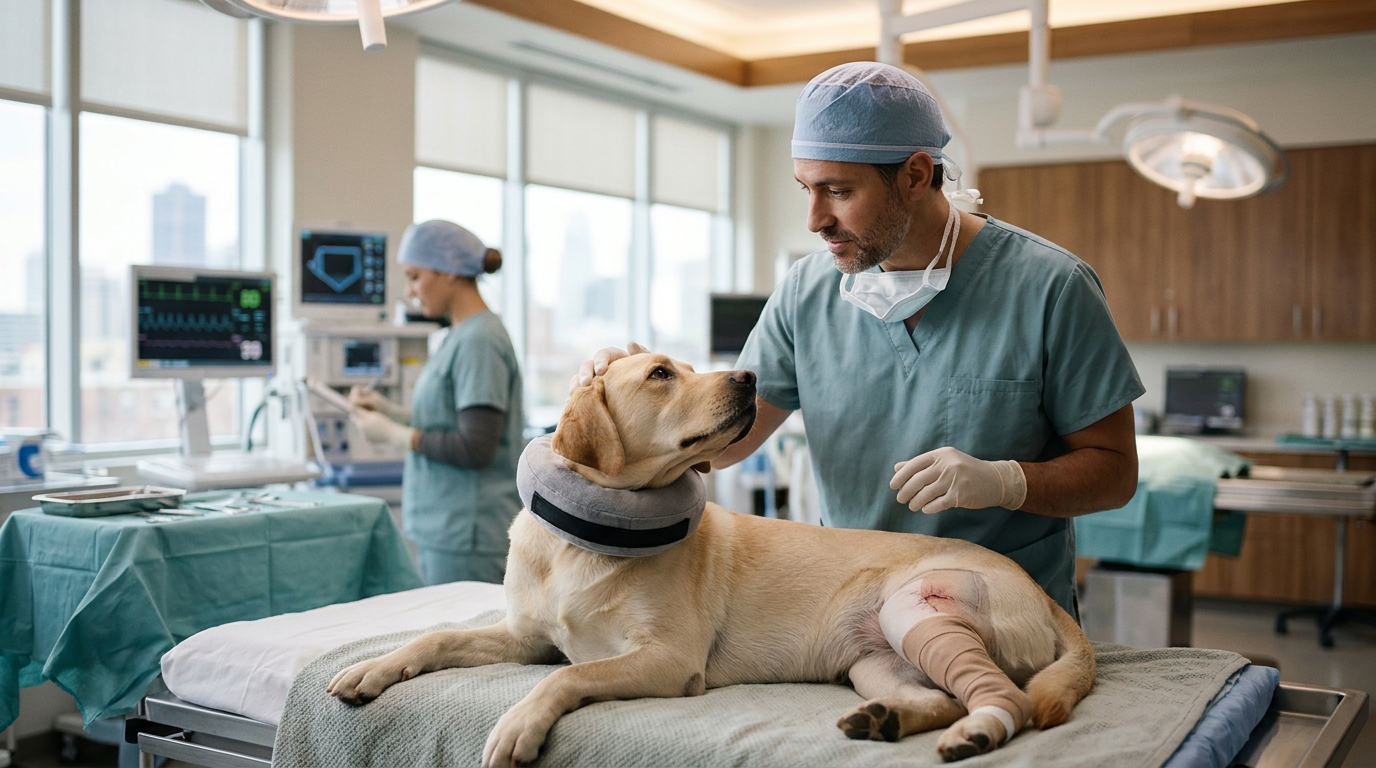
A Tibial Plateau Leveling Osteotomy (TPLO) is a specialized orthopedic surgery designed to stabilize the knee joint in dogs with a torn cranial cruciate ligament (CCL). This procedure alters the biomechanics of the stifle joint to prevent the tibia from sliding forward, effectively restoring stability and reducing pain. Understanding the specific stages of this complex operation helps pet owners feel more confident in the surgical plan and the subsequent recovery process.
1. Preoperative Evaluation and Imaging
Accurate diagnosis is the foundation of a successful TPLO. Before any incision is made, the surgical team must confirm the extent of the ligament tear and assess the overall health of the joint. This phase typically involves a physical examination, blood work to ensure the patient is safe for anesthesia, and advanced imaging such as X-rays or CT scans. These diagnostic tools allow the surgeon to measure the exact angle of the tibial plateau, which is critical for planning the osteotomy cut.
2. Anesthesia and Patient Positioning
Safe anesthesia and precise positioning ensure patient comfort and surgical accuracy. The dog is placed under general anesthesia and positioned on the operating table with the affected leg extended. The surgical team monitors vital signs continuously to maintain stability throughout the procedure. Proper positioning is essential because the alignment of the limb directly affects the angle of the bone cut and the final stability of the joint.
3. Surgical Incision and Exposure
Strategic incisions provide the surgeon with clear access to the tibia. The surgeon makes a primary incision over the front of the shin bone, known as the tibia. Smaller incisions may be made to expose the joint capsule and the patella. This step requires careful handling of the surrounding muscles and tissues to minimize trauma and promote faster healing after the surgery is complete.
4. The Osteotomy Cut
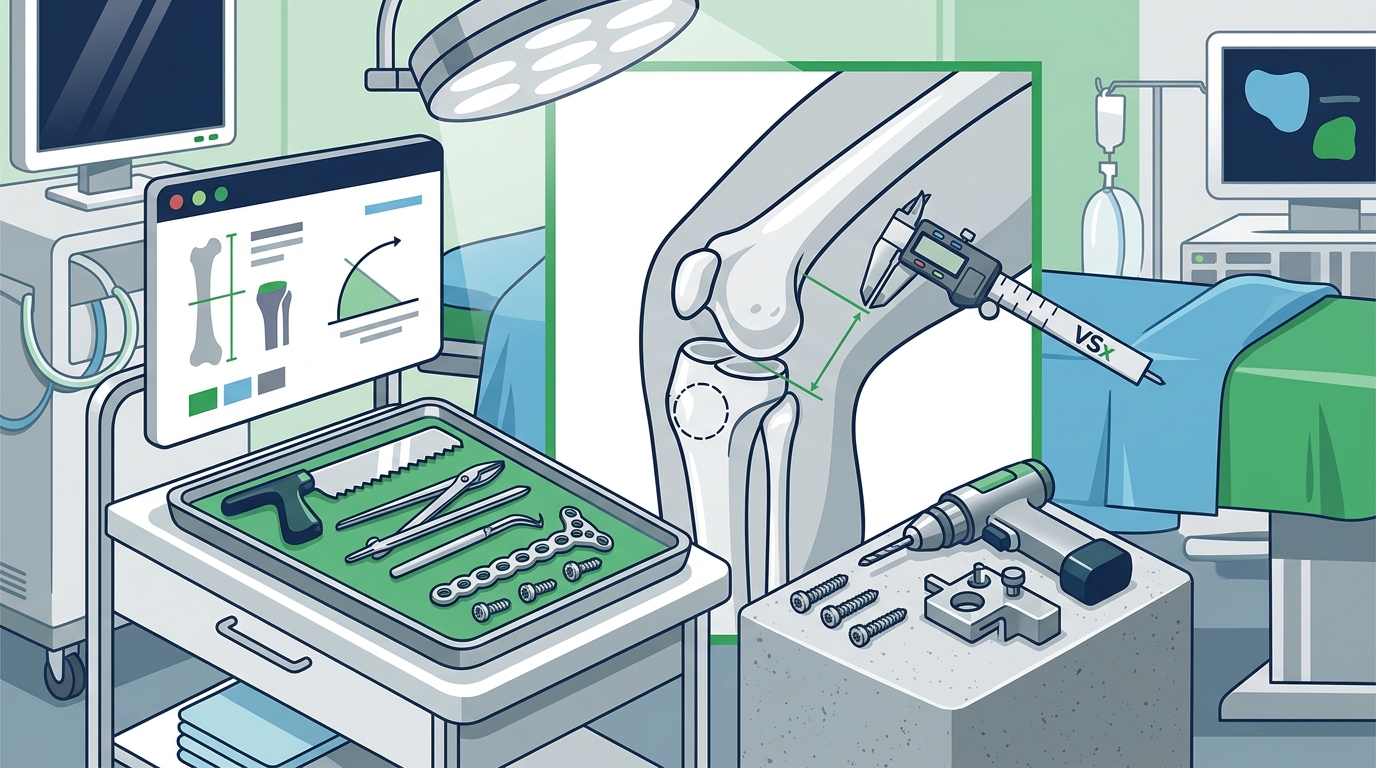
The osteotomy is the defining step where the tibia is cut to change its angle. Using a specialized guide, the surgeon makes a precise, curved cut across the top of the tibia. This cut is designed to create a wedge of bone that can be rotated. The goal is to level the tibial plateau so that the forces acting on the knee no longer cause the tibia to slide forward relative to the femur.
5. Bone Rotation and Fixation
Rotating the bone wedge and securing it with an implant restores joint stability. Once the cut is made, the surgeon rotates the wedge of bone to the calculated angle. A metal implant, typically a curved plate with screws, is then attached to the bone to hold it in the new position. This hardware provides the rigid fixation needed for the bone to heal in the correct alignment.
6. Joint Closure and Wound Management
Careful closure of the joint and skin minimizes infection risk. After the bone is secured, the surgeon inspects the joint for any remaining instability. The joint capsule and surrounding tissues are then sutured closed in layers. The skin is closed with sutures or staples, and a bandage is applied to protect the incision site during the initial healing phase.
7. Postoperative Care and Rehabilitation
Structured rehabilitation is critical for a full return to function. The recovery process begins immediately after surgery and involves strict activity restriction, pain management, and physical therapy. The dog must wear a cone to prevent licking the incision and limit weight-bearing on the affected leg. Gradual increases in activity, guided by the veterinary team, help rebuild muscle strength and restore normal gait over the following months.
Choosing the Right Surgical Approach
While TPLO is a highly effective treatment for CCL tears, it is not the only option. Other procedures, such as extracapsular repair or tibial wedge osteotomy, may be more appropriate for certain patients depending on their size, age, and activity level. The decision should be made in collaboration with a board-certified veterinary surgeon who can evaluate your pet's specific anatomy and lifestyle needs. At VSx Veterinary Surgery, our surgeons provide individualized treatment recommendations to ensure the best possible outcome for your companion.
Frequently Asked Questions
How long does a TPLO surgery take?
A standard TPLO procedure typically takes between 60 to 90 minutes, depending on the complexity of the case and the specific anatomy of the patient. The total time in the hospital includes preoperative preparation and postoperative recovery from anesthesia.
Is TPLO surgery painful for dogs?
Dogs are under general anesthesia during the surgery, so they do not feel pain. Postoperative pain is managed with prescribed medications to ensure comfort during the healing process. Most dogs show signs of improved comfort and mobility as they progress through rehabilitation.
How long is the recovery period after TPLO?
Full recovery usually takes 8 to 12 weeks, though some dogs may take longer to return to high-impact activities. Strict activity restriction is required for the first 8 weeks to allow the bone to heal properly. Physical therapy and gradual exercise are key components of the recovery timeline.
Can TPLO be performed on both legs?
Yes, TPLO can be performed on both legs, either simultaneously or in staged procedures. The decision depends on the severity of the tears and the dog's overall health. Staged procedures are often preferred to reduce the stress of a single major surgery.
What is the success rate of TPLO surgery?
TPLO is considered a highly successful procedure for stabilizing the stifle joint in dogs with CCL tears. Success rates are generally high, with most dogs returning to normal activity levels. Individual outcomes can vary based on the dog's size, age, and adherence to postoperative care instructions. according to Surgical counting design
Do I need a referral to see a VSx surgeon?
VSx partners closely with general practice veterinarians, and a referral is typically the standard pathway for surgical consultation. However, pet owners can also contact VSx directly to discuss their pet's condition and determine the next steps for care.