
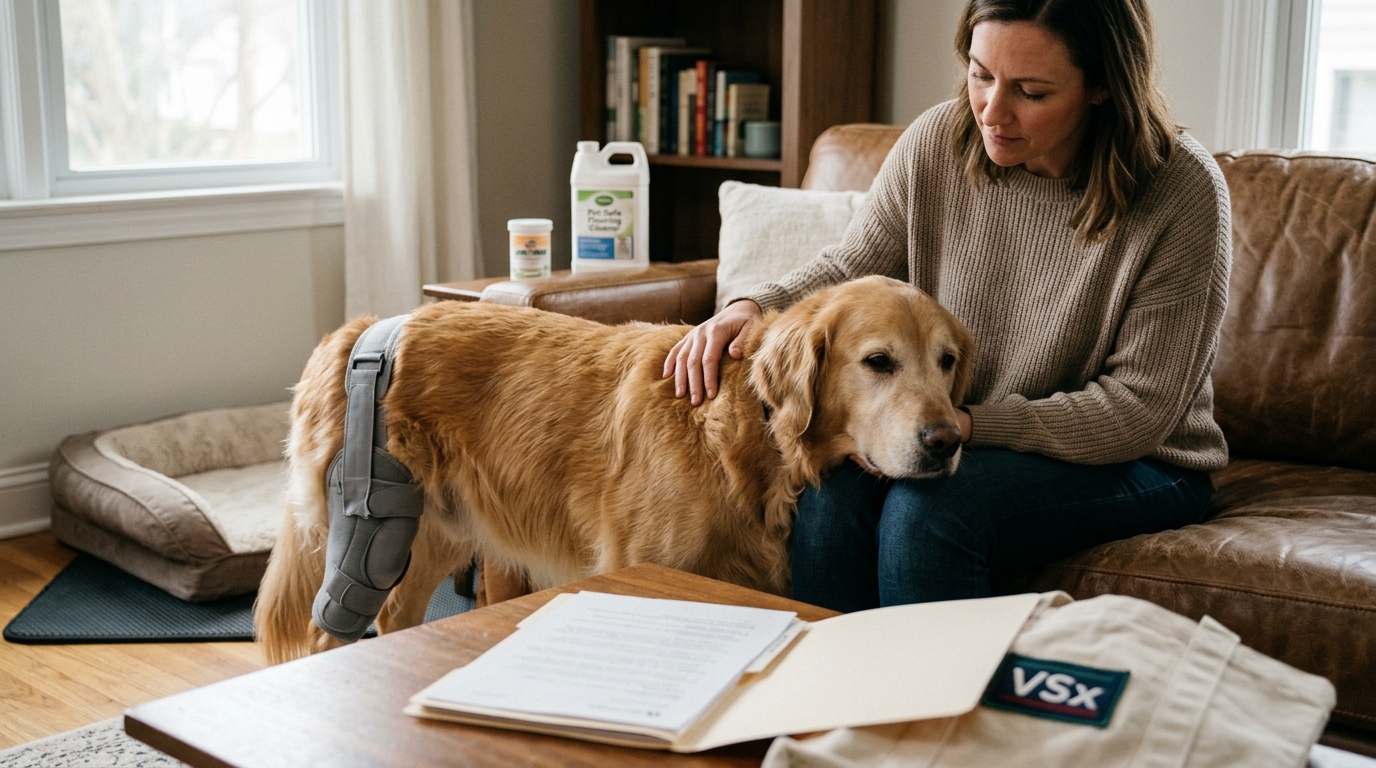
Pre-Surgery Preparation Checklist for Dog Knee Surgery
Preparing your dog for knee surgery is a critical phase that directly influences their recovery speed and long-term mobility. According to recent veterinary orthopedic data, dogs that undergo proper pre-operative conditioning and home preparation experience significantly fewer post-surgical complications than those that do not. This guide provides a comprehensive, actionable checklist to help you navigate the days leading up to the procedure at VSx Veterinary Surgery. (Board Certified Veterinary Surgery)
Understanding the Procedure and Surgeon Role
Knee surgery in dogs, often involving the cranial cruciate ligament (CCL), requires precision that goes beyond general veterinary practice. A board-certified veterinary surgeon is a veterinarian who has completed an internship and a three to four year surgical residency, followed by rigorous certification through the American College of Veterinary Surgeons (ACVS). This specialized training ensures that your pet receives care from a Diplomate of the ACVS, a true specialist dedicated to complex orthopedic cases. (Board Certified Veterinary Surgery)
At VSx, our surgeons lead highly experienced surgical teams specializing in orthopedic procedures like TPLO (Tibial Plateau Leveling Osteotomy) and advanced fracture repairs. Unlike general practitioners who may perform routine spays or neuters, a specialist’s entire career is devoted to surgery. This distinction matters because knee surgery involves delicate bone cuts and soft tissue reconstruction that require state-of-the-art diagnostic and surgical equipment to ensure safety and precision. (VSx Veterinary Surgery)
Understanding this hierarchy of care helps pet owners appreciate why referral to a specialist is often recommended for complex conditions. Our team in Chicago, Indianapolis, and Nashville is committed to expanding access to this high-level care while maintaining exceptional value for pet owners and referring veterinarians.
Pre-Op Medical Requirements
Before your dog arrives at our facility, several medical milestones must be met to ensure anesthesia safety and surgical success. These requirements are non-negotiable for maintaining the highest standard of surgical care.
1. Pre-Anesthetic Blood Work
Your referring veterinarian or our team will likely require pre-anesthetic blood work. This test evaluates liver and kidney function, which are responsible for metabolizing anesthesia drugs. Abnormal blood values can indicate underlying health issues that must be addressed before surgery to prevent adverse reactions during the procedure.
2. Fasting Guidelines
Strict fasting is required to prevent aspiration pneumonia, a life-threatening condition where stomach contents enter the lungs during anesthesia. Typically, food is withheld for 8 to 12 hours prior to surgery, while water may be allowed until a few hours before arrival. Always follow the specific instructions provided by your surgeon, as protocols may vary based on your dog’s age and health status.
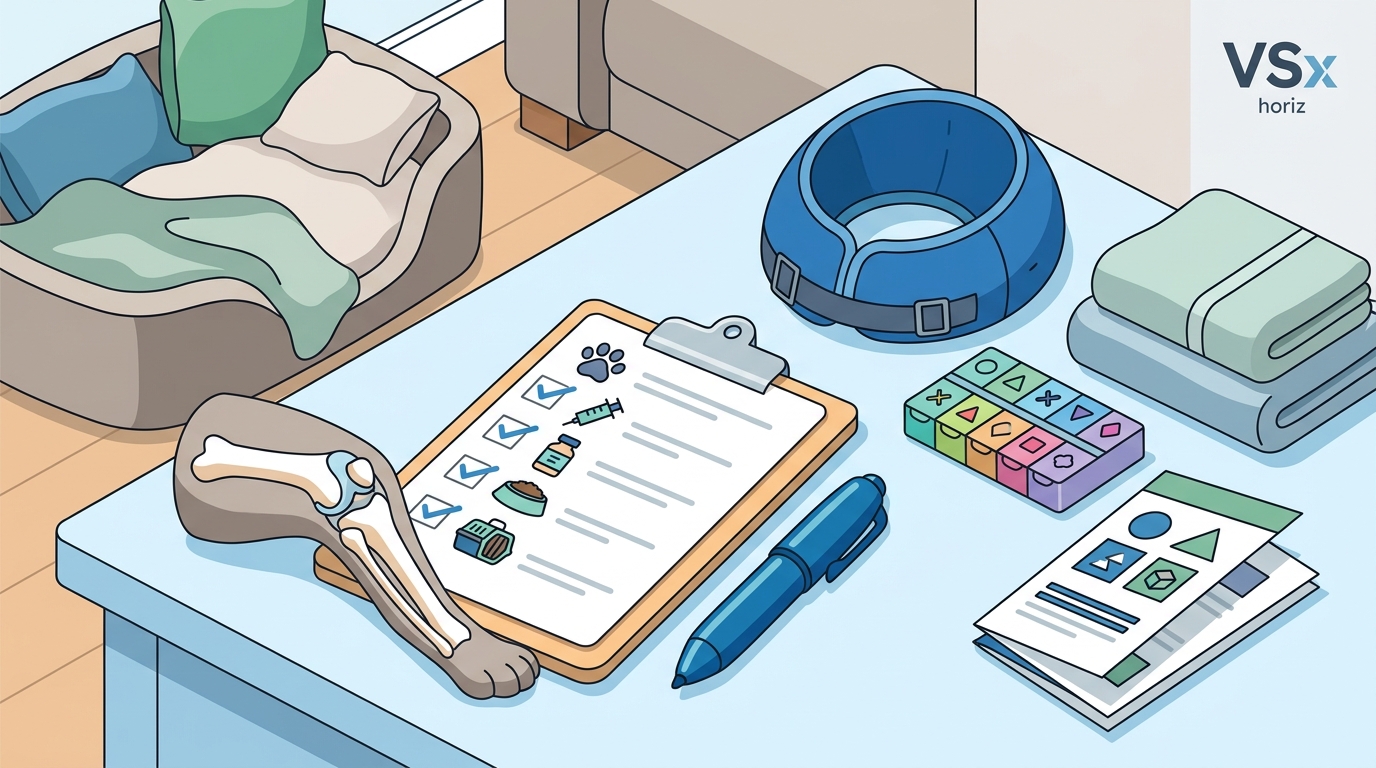
3. Medication Adjustments
Inform your surgeon of all current medications, including supplements and over-the-counter drugs. Some medications, particularly blood thinners or anti-inflammatories, may need to be paused before surgery to reduce bleeding risks. Never stop or start any medication without explicit veterinary guidance.
Home Environment Setup
Recovery begins the moment you leave the surgical center. Preparing your home environment reduces stress and prevents re-injury during the critical first weeks of healing.
Create a Confinement Zone
Set up a quiet, confined space such as a crate or a small room. This area should be free of slippery floors, which can cause your dog to slip and compromise surgical repairs. Non-slip rugs or towels are essential for any hard flooring in your home to provide traction during recovery.
Remove Access to Stairs
Stairs place immense stress on healing joints and surgical sites. If your home has multiple levels, restrict your dog to the ground floor. For dogs that must navigate stairs, consult your surgeon about temporary ramps or carrying protocols, though strict crate rest is often the safest option.
Prepare Comfort Items
Include familiar bedding, toys, and water bowls in the confinement zone. Anxiety can elevate heart rate and blood pressure, which is detrimental to healing. A calm environment supports the body’s natural recovery processes.
Logistics and Transport
Efficient logistics ensure your dog arrives at VSx calm and ready for surgery. Our facilities in Chicago, Indianapolis, and Nashville are designed for streamlined patient intake.
Scheduling and Arrival
Confirm your appointment time 24 hours in advance. Arriving early allows time for pre-operative assessments and paperwork without rushing your pet. VSx Chicago, located in the heart of North Center, and VSx Indianapolis on N Meridian Street, offer dedicated parking for pet owners.
Transport Safety
Use a secure crate or a harness that limits movement during transit. Avoid letting your dog ride in the back seat, as sudden stops can cause injury. If your dog is anxious, discuss mild sedation options with your veterinarian prior to the trip.
Post-Op Readiness
Post-operative care is where the surgeon’s expertise meets the owner’s dedication. VSx provides detailed discharge instructions, but being prepared in advance is key.
Pain Management Plan
Ensure you have a clear understanding of the pain management protocol. This typically includes a combination of injectable medications during surgery and oral medications at home. Consistent administration of pain meds is crucial for comfort and mobility.
Follow-Up Appointments
Schedule your post-operative check-up before leaving the surgical center. This visit allows the surgeon to assess incision healing and remove sutures if necessary. Early detection of complications leads to better outcomes.
Physical Therapy Integration
Discuss the timeline for starting physical therapy. Controlled exercise, such as leash walking, is often prescribed to maintain muscle mass without stressing the joint. Outpatient CT scans may be used for complex cases to ensure accurate diagnosis and treatment planning, highlighting the importance of advanced diagnostic imaging in orthopedic care.
Key Takeaways
- Specialist Expertise: Board-certified surgeons at VSx have an average of 15 years of experience, ensuring high-level care for complex orthopedic cases.
- Medical Safety: Pre-anesthetic blood work is essential to evaluate organ function and ensure anesthesia safety.
- Home Prep: Non-slip flooring and restricted stair access are critical to prevent re-injury during recovery.
- Fasting Protocol: Strict fasting for 8-12 hours prevents aspiration pneumonia during anesthesia.
- Surgeon Ownership: VSx is surgeon-owned and led, prioritizing clinical excellence over volume.
- Diagnostic Precision: Advanced imaging, including outpatient CT scans, allows for accurate diagnosis without hospitalization.
- Collaborative Care: VSx works closely with referring general practitioners to ensure seamless care continuity.
Frequently Asked Questions
What is the difference between a general veterinarian and a board-certified surgeon?
A general veterinarian performs routine procedures like spays and neuters. A board-certified surgeon has completed additional residency training and certification through the ACVS, specializing exclusively in complex surgeries like knee repairs.
How long should I fast my dog before knee surgery?
Typically, food is withheld for 8 to 12 hours before surgery. Water may be allowed until a few hours prior. Always follow the specific instructions provided by your surgeon.
Do I need to schedule a pre-op consultation?
Yes, a pre-operative assessment is standard to review medical history, blood work results, and anesthesia risks. This ensures your dog is a safe candidate for surgery.
What is TPLO surgery?
TPLO (Tibial Plateau Leveling Osteotomy) is a common orthopedic procedure for dogs with cranial cruciate ligament tears. It involves cutting and rotating the tibia to stabilize the knee joint without the ligament.
How soon can my dog return to normal activity?
Full recovery typically takes 3 to 6 months, involving strict leash walking and gradual physical therapy. Your surgeon will provide a customized timeline based on your dog’s progress.
Is anesthesia safe for older dogs?
With proper pre-anesthetic blood work and monitoring by a specialized team, anesthesia is generally safe for older dogs. The risks of untreated knee instability often outweigh the risks of anesthesia.
What should I bring to the surgical center?
Bring your dog’s current medications, any recent medical records, and a leash. Comfort items like a favorite blanket can also help reduce anxiety.
Schedule Your Consultation Today
Preparing for your dog’s knee surgery is a significant step toward restoring their mobility and quality of life. At VSx Veterinary Surgery, our board-certified surgeons and advanced diagnostic tools ensure your pet receives the highest standard of care. Whether you are in Chicago, Indianapolis, or Nashville, our team is ready to support you through every stage of the surgical journey.
Contact VSx Veterinary Surgery today to schedule a consultation or learn more about our orthopedic services. Trust our surgeon-owned practice to deliver exceptional outcomes for your beloved companion.