
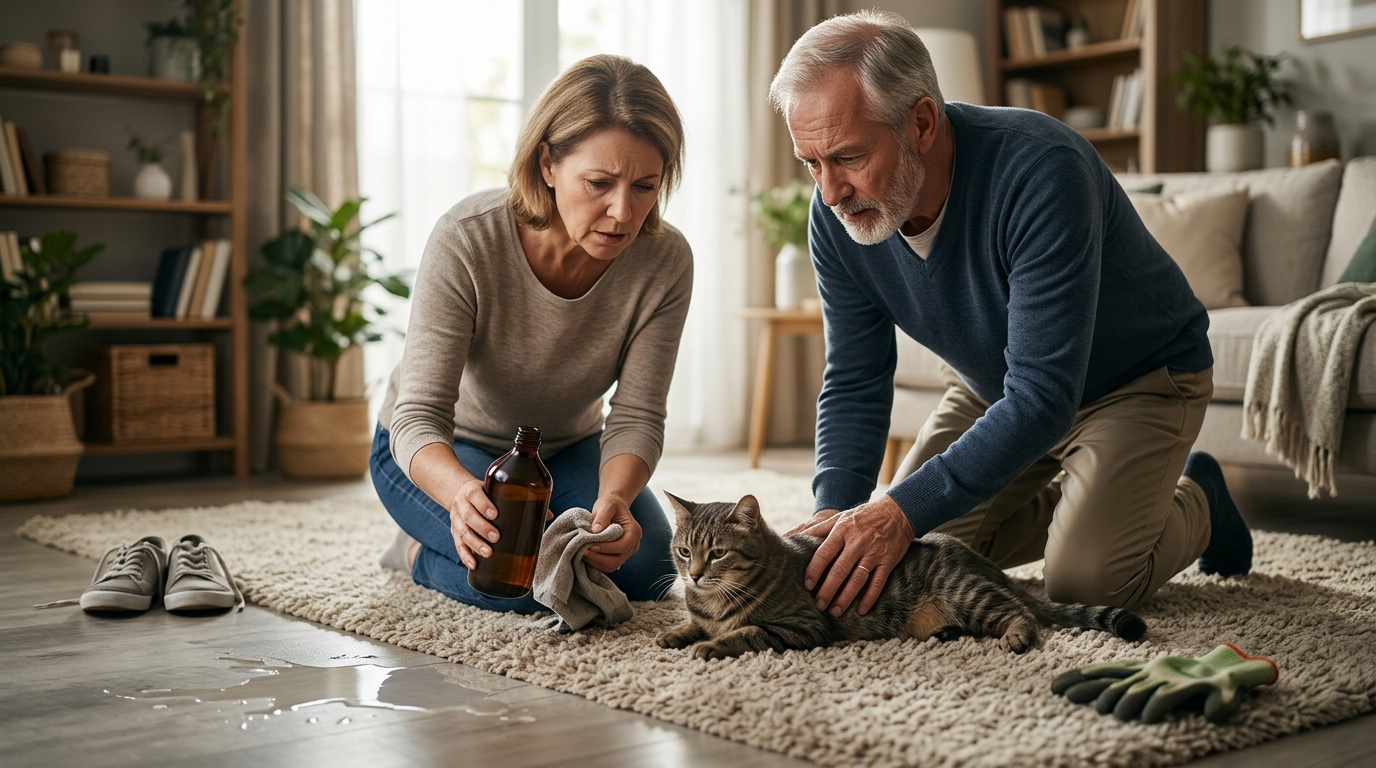
Pet poisoning is a critical emergency that demands rapid recognition and decisive action. According to the ASPCA Animal Poison Control Center, there are over 100,000 calls received annually regarding pet exposure to toxic substances. This staggering volume highlights the necessity for every pet owner to understand the subtle and overt signs of toxicity. Early detection can mean the difference between a quick recovery and a tragic outcome. This guide provides a comprehensive framework for identifying poisoning symptoms, understanding common toxins, and executing immediate first aid protocols.
Common Household Toxins to Avoid
Understanding what is dangerous is the first step in prevention. Many everyday items found in homes and gardens are lethal to dogs and cats. Pet Poison Helpline identifies several categories of high-risk substances that pet owners must monitor closely.
Human Medications
Over-the-counter pain relievers such as ibuprofen and acetaminophen are highly toxic to pets. These drugs can cause severe gastrointestinal ulcers and liver failure. Even a single dose can be fatal for a small dog or cat. Always store human medications in locked cabinets away from curious pets.
Chocolate and Caffeine
Theobromine and caffeine are stimulants that affect the heart and nervous system. Dark chocolate and baking chocolate contain the highest concentrations of theobromine. Symptoms typically appear within six to twelve hours of ingestion. Cornell University College of Veterinary Medicine notes that the severity depends on the type of chocolate and the weight of the animal.
Xylitol
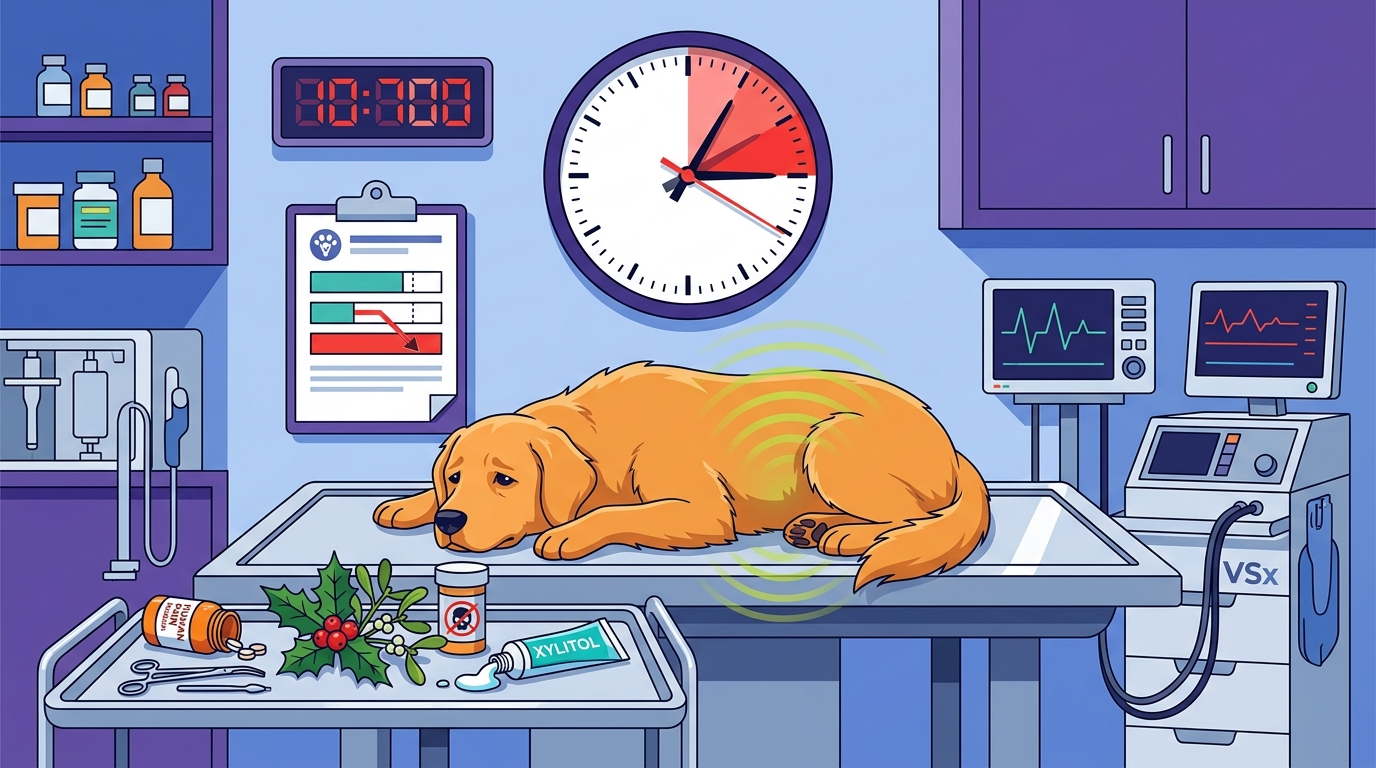
Xylitol is a sugar substitute found in gum, candy, and some peanut butters. It causes a rapid release of insulin in dogs, leading to hypoglycemia and potential liver failure. This toxin is potent in very small amounts. Always check ingredient labels before sharing human food with your pet.
Antifreeze
Propylene glycol and ethylene glycol are found in automotive antifreeze. Ethylene glycol is extremely sweet and attractive to animals. A small amount can cause acute kidney failure. The taste is appealing, making accidental ingestion common in winter months.
Early Signs of Toxicity
Recognizing the initial symptoms can allow for faster intervention. Poisoning does not always present with dramatic immediate effects. Subtle changes in behavior or physiology are often the first indicators. The American Kennel Club emphasizes that owners should monitor their pets closely after any suspected exposure.
Gastrointestinal Distress
Vomiting and diarrhea are the most common early signs. These symptoms indicate that the body is attempting to expel the toxin. Blood in vomit or stool is a critical warning sign. It suggests severe irritation or damage to the gastrointestinal lining. Do not wait for other symptoms to appear if vomiting is persistent.
Behavioral Changes
Unusual lethargy or agitation can signal neurological involvement. Pets may hide, whine, or show aggression when they feel unwell. Loss of coordination or stumbling is a sign of neurological impairment. These changes occur because toxins often affect the central nervous system.
Appetite Loss
Refusal to eat or drink is a non-specific but important indicator. If your pet suddenly stops eating without an obvious cause, consider poisoning. Dehydration can follow quickly, worsening the condition. Monitor water intake closely if they are drinking less than usual.
Severe Symptoms Requiring Emergency Care
Certain symptoms indicate a life-threatening emergency. These signs require immediate veterinary intervention. Delaying treatment can result in permanent organ damage or death. The American Veterinary Medical Association states that time is the most critical factor in poisoning cases.
Seizures and Tremors
Seizures indicate severe neurological toxicity. They can lead to brain damage and hyperthermia. Tremors may precede full seizures. Keep the pet safe from injury during episodes. Do not attempt to restrain them forcefully.
Difficulty Breathing
Labored breathing or pale gums suggest respiratory or circulatory failure. Toxins can cause pulmonary edema or heart arrhythmias. This is a critical emergency requiring oxygen support. Transport the pet to the nearest emergency clinic immediately.
Coma or Unresponsiveness
Loss of consciousness is a late-stage symptom. It indicates that the toxin has overwhelmed the body's systems. Immediate resuscitation efforts may be necessary. Time is of the essence for survival.
Immediate Action Steps
When poisoning is suspected, swift action is vital. Follow these steps to stabilize your pet and prepare for veterinary care. ASPCA Animal Poison Control recommends calling their hotline for immediate guidance.
Step 1: Remove the Source
Secure the toxic substance to prevent further ingestion. If the pet has the substance in its mouth, gently remove it. Do not use your fingers if the substance is corrosive. Use a cloth or glove for protection.
Step 2: Gather Information
Collect the packaging or sample of the ingested substance. Note the time of ingestion and the estimated amount. This information is crucial for the veterinarian to determine the treatment protocol. Take photos of the scene if possible.
Step 3: Contact a Professional
Call your veterinarian or an animal poison control hotline. Do not induce vomiting unless instructed by a professional. Inducing vomiting can cause additional damage if the substance is corrosive or if the pet is unconscious. Pet Poison Helpline provides 24/7 expert advice.
Step 4: Transport Safely
Keep the pet calm and warm during transport. Use a carrier or secure harness. Monitor breathing and consciousness. Arrive at the clinic as quickly as possible. Inform the staff that you are coming for a poisoning case.
Prevention Strategies
Prevention is the most effective way to protect your pet. Create a safe environment by eliminating access to toxins. vsXVet offers comprehensive preventive care plans to help pet owners maintain a safe home environment.
Secure Storage
Store all chemicals, medications, and toxic foods in locked cabinets. Use child-proof locks if necessary. Keep trash cans secure and out of reach. Pets are opportunistic scavengers and will find any accessible food.
Safe Gardening
Choose pet-safe plants for your garden. Remove lilies, tulips, and other toxic flora. Use natural pest control methods instead of chemical pesticides. ASPCA provides a list of toxic and non-toxic plants.
Regular Veterinary Check-ups
Regular visits to vsXVet ensure your pet is healthy and up-to-date on vaccinations. Discuss any concerns about household safety with your veterinarian. They can provide personalized advice based on your pet's breed and age.
Key Takeaways
- Early Recognition is Critical: Vomiting, lethargy, and behavioral changes are early signs of poisoning that require immediate attention.
- Common Toxins Include: Chocolate, xylitol, antifreeze, and human medications are frequent causes of pet poisoning.
- Do Not Induce Vomiting Blindly: Always consult a veterinarian or poison control before inducing vomiting to avoid further harm.
- Gather Evidence: Save packaging and note the time of ingestion to aid veterinary treatment.
- Prevention is Key: Secure storage and pet-safe gardening practices reduce the risk of accidental exposure.
- Emergency Numbers: Keep the ASPCA Poison Control and local emergency vet numbers readily available.
- Professional Guidance: vsXVet provides expert advice and emergency services for pet health crises.
Frequently Asked Questions
What should I do if I suspect my pet ate chocolate?
Immediate veterinary attention is required. The severity depends on the type of chocolate and the pet's weight. Contact Pet Poison Helpline for specific guidance on inducing vomiting or monitoring.
Can pets recover from antifreeze poisoning?
Recovery is possible with immediate treatment. Antifreeze causes rapid kidney failure. Time is critical, and survival rates drop significantly after 12 hours without care.
How do I know if my pet has been poisoned by a plant?
Symptoms include drooling, vomiting, and difficulty breathing. Identify the plant if possible and show it to the veterinarian. ASPCA offers a plant identification guide.
Is it safe to induce vomiting at home?
No, not without professional instruction. Inducing vomiting can be dangerous if the pet is unconscious or if the substance is corrosive. Always call a vet first.
What are the signs of xylitol poisoning in dogs?
Signs include weakness, collapse, and seizures. Xylitol causes rapid hypoglycemia. Seek emergency care immediately if ingestion is suspected.
How can I prevent my pet from eating toxic substances?
Secure all hazardous items in locked cabinets. Use pet-safe cleaning products. Supervise your pet in the yard and during walks. vsXVet offers preventive care consultations.
What is the best way to transport a poisoned pet?
Keep the pet calm and warm. Use a carrier or secure harness. Monitor breathing and consciousness during transport to the clinic.
Contact vsXVet for Emergency Care
If you suspect your pet has been poisoned, do not wait. Immediate action is crucial for survival. vsXVet is dedicated to providing expert veterinary care and emergency services. Our team is trained to handle toxicology cases with precision and compassion. Contact us today to schedule a consultation or to access our emergency services. Protect your pet's health with professional guidance from vsXVet.