
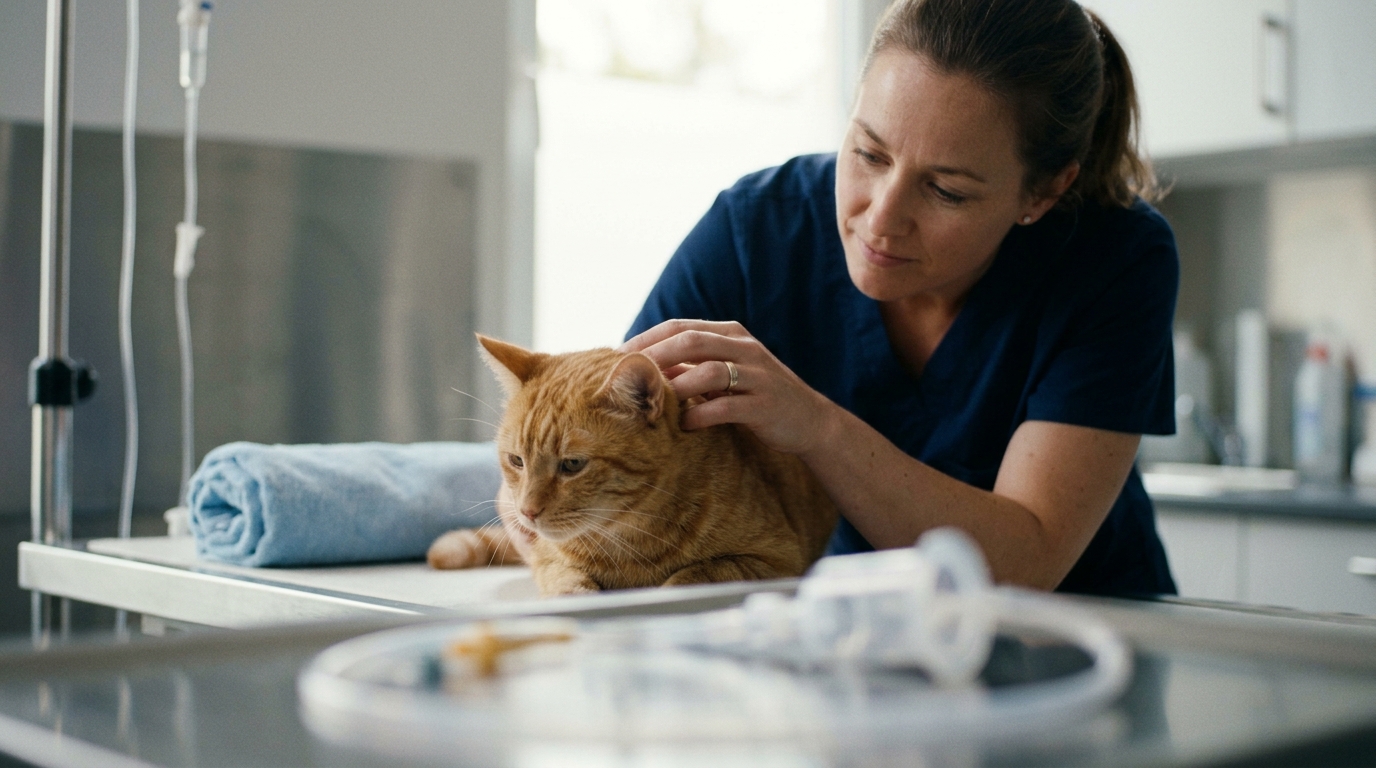
Urethral catheterization is a critical emergency procedure used to relieve blocked cats by flushing the urethra and restoring urine flow. This intervention addresses the immediate life-threatening obstruction caused by crystals or mucus plugs. By clearing the blockage, veterinarians can stabilize the patient's fluid and electrolyte balance. This guide explains how the procedure works and why it is essential for feline survival.
The Emergency Nature of Feline Urethral Obstruction
A blocked cat is a true medical emergency that requires immediate veterinary attention. The University of Illinois veterinary team emphasizes that owners must recognize the signs of urethral obstruction as critical. When a male cat cannot urinate, toxins build up in the blood rapidly. This condition is often accompanied by post-renal azotemia and uremia, which can lead to severe complications. Without prompt intervention, the condition can become fatal within hours.
Urethral obstruction is a medical emergency that frequently results in cardiovascular signs due to fluid and electrolyte disturbances. A recent study published in the Public Library of Science found that 97% of cats with urethral obstruction underwent urethral catheterization for at least 24 hours following unblocking. This high percentage underscores the standard of care in modern veterinary medicine. The procedure is not optional in most cases; it is the primary method for resolving the physical blockage.
How Catheterization Works in Clinical Practice
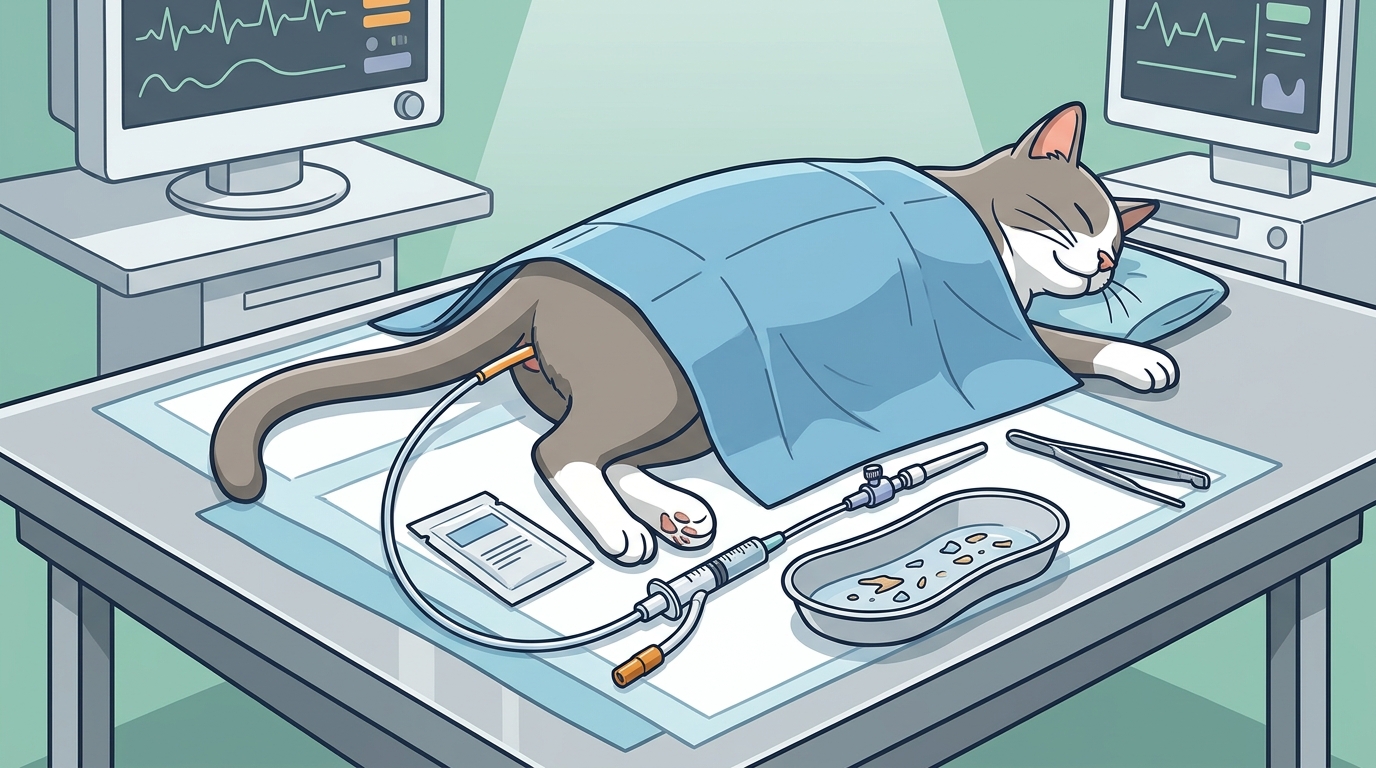
Catheterization involves the careful insertion of a thin, flexible tube into the urethra to flush out the obstruction. The veterinarian first anesthetizes the cat to ensure comfort and safety during the procedure. Once the catheter is in place, sterile fluid is used to gently wash the urethra. This process removes crystals, mucus, and debris that are causing the blockage. The goal is to restore normal urine flow and prevent further damage to the urinary tract.
The technique requires precision and expertise to avoid trauma to the delicate urethral tissue. Veterinarians may use different catheterization techniques depending on the patient's anatomy and the severity of the blockage. Some studies compare traditional methods with novel two-catheter techniques to improve success rates. The choice of technique depends on the individual cat's condition and the veterinarian's assessment. Proper execution of this procedure is vital for a successful outcome.
Post-Obstruction Care and Monitoring
After the blockage is cleared, the cat requires careful monitoring for post-obstructive diuresis. This is a condition where the kidneys produce large volumes of urine as they recover from the obstruction. The American Association of Feline Practitioners notes that post-obstruction care is a family-centered approach that involves close observation. Veterinarians must monitor the cat's fluid balance and electrolyte levels closely. This phase is critical for preventing dehydration and other complications.
There is ongoing discussion in the veterinary community about how long a urethral catheter should remain in place. While opinions may vary, the consensus is that the catheter is often left in for 24 to 72 hours. This allows the urethra to heal and reduces the risk of immediate re-blockage. The duration depends on the cat's response to treatment and the severity of the initial obstruction. Close collaboration between the veterinary team and the owner is essential during this period.
Preventing Recurrence of Urethral Blockages
Urethral obstruction is a recurring condition for many male cats, requiring long-term management. Preventing recurrence involves a combination of dietary changes, environmental enrichment, and medical management. Veterinarians often recommend prescription diets that help maintain proper urine pH and crystal formation. These diets are designed to reduce the risk of future blockages. Owners must be committed to following these recommendations consistently.
Environmental stress is a significant factor in feline lower urinary tract disease. Providing a calm, enriched environment can help reduce the frequency of episodes. This includes providing multiple litter boxes, hiding spots, and interactive play. Stress management is a key component of long-term care. By addressing both medical and environmental factors, owners can help their cats live healthier lives.
Key Takeaways
- Urethral catheterization is the primary emergency treatment for blocked cats.
- The procedure involves flushing the urethra to remove crystals and mucus plugs.
- Post-obstructive diuresis requires careful monitoring of fluid and electrolyte balance.
- Catheters are often left in place for 24 to 72 hours to prevent re-blockage.
- Long-term management includes dietary changes and stress reduction.
- Immediate veterinary care is essential for the survival of a blocked cat.
Frequently Asked Questions
Is urethral catheterization painful for the cat?
No, the cat is under general anesthesia during the procedure, so they feel no pain. The veterinarian ensures the cat is comfortable and monitored throughout the process.
How long does the catheter stay in place?
The catheter typically remains in place for 24 to 72 hours, depending on the cat's response to treatment and the severity of the obstruction.
Can a blocked cat be treated at home?
No, urethral obstruction is a life-threatening emergency that requires professional veterinary care. Home treatment is not possible and can be fatal.
What are the signs of a blocked cat?
Will my cat get blocked again?
Recurrence is common, but long-term management with diet and stress reduction can help prevent future episodes. Regular veterinary check-ups are recommended.
Conclusion
Urethral catheterization is a vital procedure that saves the lives of blocked cats by restoring urine flow and stabilizing their condition. While it is an emergency intervention, long-term management is essential to prevent recurrence. If you suspect your cat is blocked, contact your veterinarian immediately. For specialized surgical care and advanced diagnostics, VSx Veterinary Surgery offers board-certified expertise in Chicago, Indianapolis, and Nashville. Our team is committed to providing the highest standard of surgical care and outcomes for pets and their owners.