
Pre-Anesthetic Bloodwork and Medical Evaluation
Before any surgical procedure, your veterinarian will order a panel of blood tests to assess your dog's overall health. Pre-anesthetic bloodwork is a diagnostic process that evaluates organ function, blood clotting ability, and electrolyte balance. These tests help the surgical team determine if your dog is a safe candidate for anesthesia and identify any underlying conditions that might require management during the procedure.
The Role of the Comprehensive Metabolic Panel
The comprehensive metabolic panel (CMP) is the standard blood test used in veterinary medicine. It measures key indicators such as liver enzymes, kidney function, and blood sugar levels. For older dogs or those with pre-existing conditions like diabetes or kidney disease, these results are critical. The surgical team uses this data to adjust anesthetic protocols, ensuring the drugs used are safe for your specific pet's physiology.
Coagulation and Complete Blood Count
A complete blood count (CBC) and coagulation profile are also essential components of the pre-operative workup. These tests check the number of red and white blood cells and platelets. They also measure how quickly your dog's blood clots. If your dog is on medications like non-steroidal anti-inflammatory drugs (NSAIDs) or steroids, the surgical team needs to know this information. They may ask you to withhold certain medications for a specific period before surgery to minimize bleeding risks.
Collaborative Care with Your Primary Veterinarian
At VSx, we work closely with your primary care veterinarian to ensure all necessary diagnostics are completed before the surgery date. This collaborative care model ensures that no critical health issues are overlooked. Your primary vet will review the bloodwork results and communicate any concerns directly to our surgical team. This seamless communication helps us tailor the anesthetic plan to your dog's unique needs, providing a safer surgical experience.

Home Recovery Setup and Environmental Adjustments
Preparing your home for your dog's return is just as important as the medical preparation. A well-designed recovery space helps prevent complications and reduces stress for both you and your pet. The goal is to create an environment where your dog can rest comfortably while strictly limiting movement to protect the surgical site.
Creating a Confined Rest Area
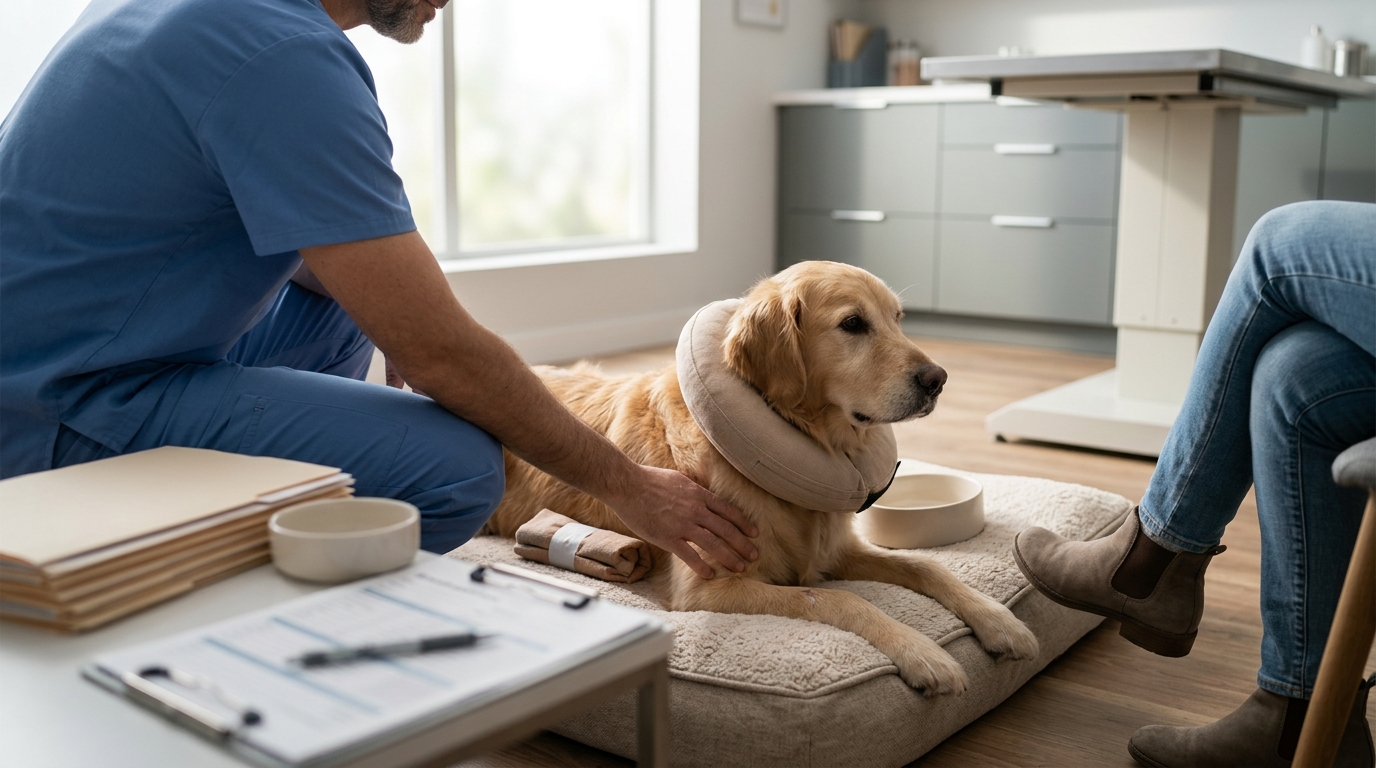
You should designate a specific area in your home for your dog to rest. This could be a crate, a small room, or a gated-off section of a larger room. The space should be quiet, free from high-traffic areas, and away from other pets or young children. Providing a comfortable, orthopedic bed in this area encourages your dog to lie down rather than stand or walk. Limiting access to the rest of the house prevents accidental falls or jumps that could damage the healing knee.
Managing Stairs and Elevated Surfaces
If your home has stairs, you must prevent your dog from accessing them. Even a single step can put significant strain on a healing knee joint. Consider using baby gates to block stairways or moving your dog's bed to a ground-floor location. Similarly, avoid allowing your dog to jump onto furniture, beds, or cars. If you must transport your dog, use a ramp or lift them gently to avoid sudden impact on the legs.
Grooming and Hygiene Preparations
Before the surgery, you may be asked to bathe your dog to ensure the surgical site is clean. This helps reduce the risk of infection. After the surgery, you will need to keep the incision site clean and dry. Have towels, gauze, and any prescribed cleaning solutions ready. You should also trim the fur around the surgical area if instructed by your veterinarian. This makes it easier to monitor the incision for signs of swelling, redness, or discharge during the recovery period.
Activity Restriction and Leash Management
Strict leash management is required during the recovery phase. You will need to take your dog out for short, controlled bathroom breaks only. Avoid off-leash walks, even in fenced yards, as the excitement of being outside can lead to sudden movements. Keep the leash short and maintain a calm demeanor. This discipline is crucial for the proper healing of the bone and soft tissues.
Key Takeaways
- Pre-anesthetic bloodwork is mandatory to ensure your dog's organs can safely handle anesthesia.
- Collaborative care between your primary vet and the surgical team ensures all health risks are managed.
- Set up a quiet, confined rest area to prevent accidental movement and protect the surgical site.
- Block access to stairs and elevated surfaces to avoid strain on the healing knee.
- Prepare grooming supplies to keep the incision site clean and monitor for infection.
- Enforce strict leash management and limit bathroom breaks to essential needs only.
- Withhold certain medications as directed by your veterinarian to reduce bleeding risks.
- Plan for a period of reduced activity and patience, as recovery is a gradual process.
Frequently Asked Questions
What specific blood tests are required before knee surgery?
Most veterinary surgeons require a comprehensive metabolic panel and a complete blood count. These tests evaluate liver and kidney function, blood sugar levels, and clotting ability. Your veterinarian may also order additional tests based on your dog's age or medical history.
Do I need to fast my dog before the surgery?
Yes, fasting is typically required to prevent vomiting and aspiration during anesthesia. Your surgical team will provide specific instructions on when to last feed your dog. Usually, you should withhold food for 8 to 12 hours before the procedure, though water may be allowed until a few hours prior.
How long does it take to set up a proper recovery space?
You should set up the recovery space at least one day before the surgery. This allows your dog to become familiar with the confined area. It also gives you time to gather all necessary supplies, such as bedding, towels, and any prescribed medications.
Can my dog use the bathroom during the recovery period?
Yes, but only on a leash. You must take your dog out for short, controlled walks to relieve themselves. Avoid off-leash time and keep the walks brief to minimize strain on the surgical site.
What medications should I have ready for after the surgery?
You will likely need pain management medications and possibly antibiotics. Your surgical team will provide a detailed list of prescriptions and instructions. Have these medications ready before you bring your dog home to ensure you can administer them on time.
Is it safe to let my dog sleep in my bed after surgery?
Generally, no. Beds and sofas are elevated surfaces that require your dog to jump or climb. This can put excessive stress on the healing knee. It is safer to provide a ground-level bed in a confined area.
How will I know if my dog is in pain after the surgery?
Do I need to wear a cone on my dog after knee surgery?
Yes, a cone or an alternative recovery garment is usually required to prevent your dog from licking or chewing the incision site. Licking can introduce bacteria and delay healing. Follow your surgeon's instructions on how long to keep the cone on.
Next Steps for Your Pet
Preparing your dog for knee surgery requires a combination of medical diligence and thoughtful home planning. By completing the necessary pre-anesthetic bloodwork and setting up a safe, confined recovery space, you create the optimal conditions for healing. The team at VSx Veterinary Surgery is committed to providing advanced surgical care and individualized treatment recommendations. We work collaboratively with your primary veterinarian to ensure your pet receives the best possible support throughout the surgical process. If you have questions about the preparation steps or the surgical plan, do not hesitate to reach out to our team. Contact VSx Chicago or VSx Indianapolis to discuss your pet's specific needs and schedule a consultation.