
How to Prepare Your Dog for Knee Surgery: The 2026 Ultimate Guide
Preparing your dog for knee surgery involves completing pre-anesthetic bloodwork, setting up a strict home recovery zone, and managing fasting protocols. At VSx Veterinary Surgery, our board-certified surgeons guide you through these critical steps to ensure safety. This guide covers the essential medical, environmental, and post-operative preparations required for a successful recovery.
Pre-Anesthetic Bloodwork
Anesthesia is a critical component of any surgical procedure, and safety begins with a thorough medical evaluation. Pre-anesthetic bloodwork is a series of laboratory tests performed to assess your dog's organ function and overall health before they undergo general anesthesia. These tests help the veterinary team identify any underlying conditions that could increase the risk of complications during surgery.
Why Bloodwork Matters for Anesthesia
General anesthesia affects the entire body, including the liver, kidneys, and heart. By analyzing blood samples, veterinarians can determine how well these organs are functioning. If a dog has undiagnosed kidney disease or liver issues, the anesthetic protocol may need to be adjusted to ensure safety. This proactive approach is a standard of care in specialty veterinary surgery and is a priority at VSx.
What the Tests Check
Home Recovery Setup
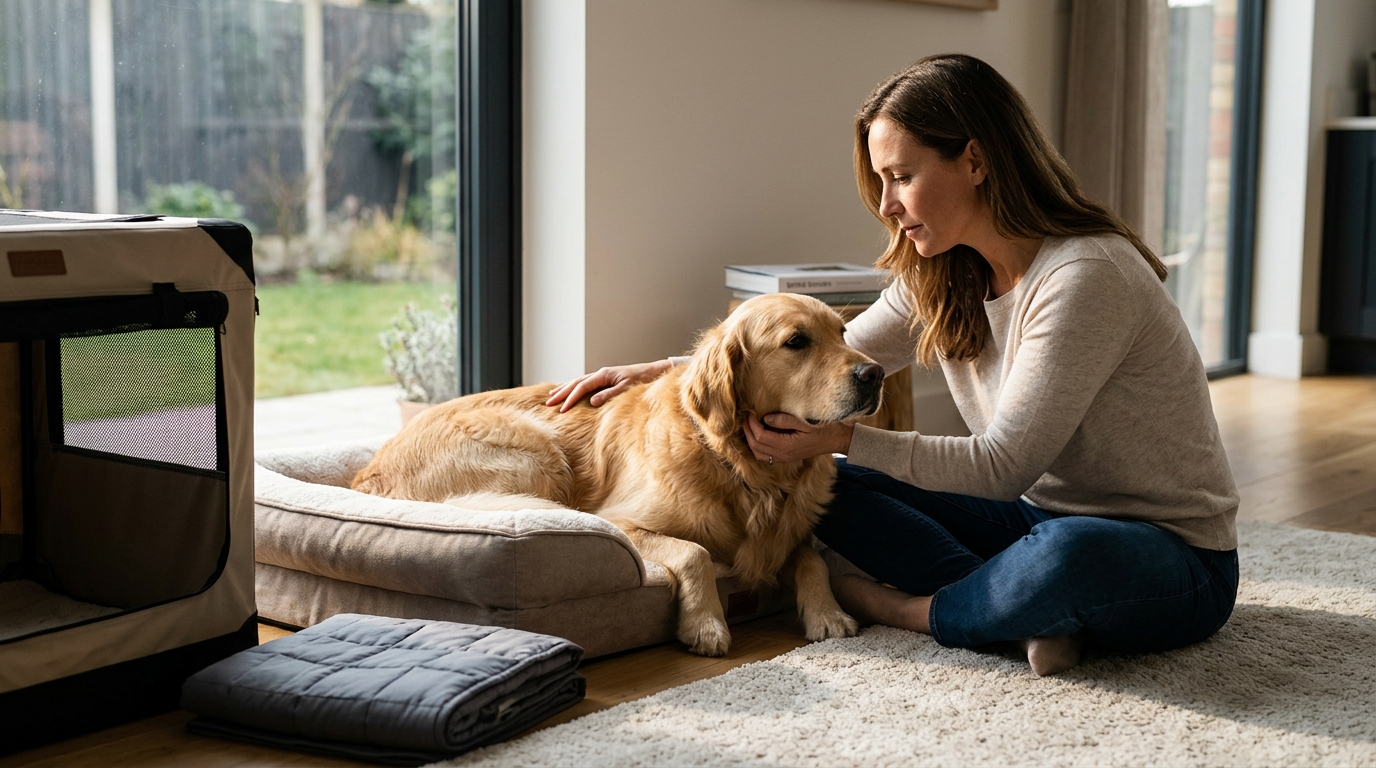
Recovery from knee surgery, such as a Tibial Plateau Leveling Osteotomy (TPLO), requires strict confinement to allow the bone to heal properly. Home recovery setup is the process of modifying your living space to create a safe, low-impact environment for your dog. This preparation should be completed before your dog arrives home from the hospital.
Creating a Confinement Zone
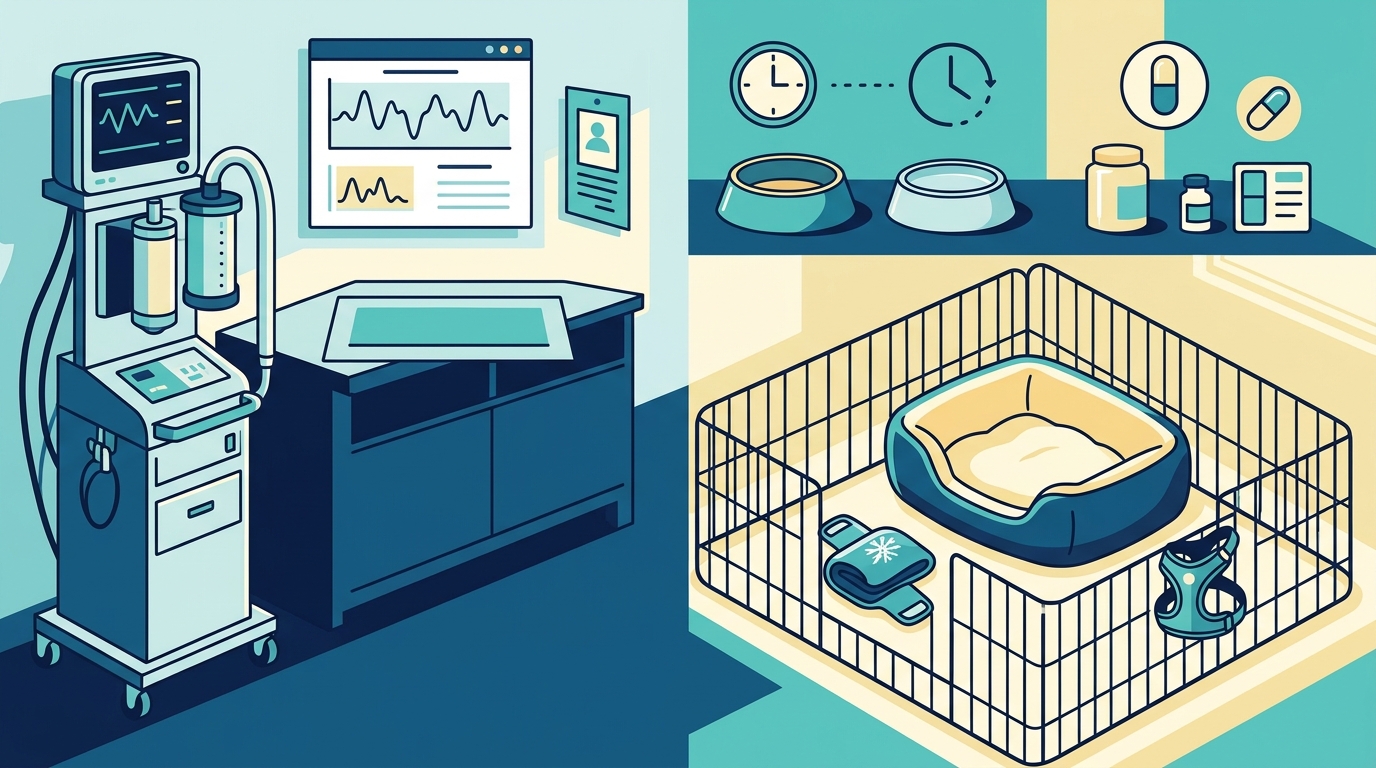
Your dog will need to be confined to a small area, such as a crate, a pen, or a small room with no furniture. This restriction prevents running, jumping, and unassisted stair climbing, which can disrupt the healing process. A crate is often the most effective tool for high-energy dogs, as it naturally limits movement and provides a sense of security.
Essential Supplies
Ensure your confinement zone is equipped with comfortable bedding, a water bowl, and a designated area for elimination. If you are using a small room, remove all rugs, toys, and furniture that could cause tripping or encourage play. Having these items ready in advance reduces stress for both you and your pet during the initial recovery phase.
Pre-Surgery Fasting
Fasting is a mandatory requirement before any procedure involving general anesthesia. Pre-surgery fasting is the practice of withholding food and sometimes water for a specified period before surgery to prevent aspiration. Aspiration occurs when stomach contents enter the lungs, which can lead to serious complications such as pneumonia.
Standard Fasting Protocols
Most veterinary hospitals require dogs to fast for 8 to 12 hours before surgery. This typically means no food after midnight if the surgery is scheduled for the morning. Water is often allowed until a few hours before the procedure, but specific instructions will be provided by your surgical team. It is crucial to follow these guidelines exactly to ensure your dog's safety.
Managing Anxiety During Fasting
Some dogs may become anxious or restless when their routine is disrupted. Keep your dog calm and quiet on the morning of surgery. Avoid giving treats or food, even if your dog seems hungry. Your veterinary team will monitor your dog closely and provide comfort measures to help them through the fasting period.
Bloodwork and Diagnostics
While pre-anesthetic bloodwork focuses on anesthesia safety, diagnostic imaging and additional blood tests help the surgeon plan the specific procedure. Diagnostic imaging is the use of medical technology, such as radiographs or CT scans, to visualize the internal structures of the knee joint. These images are essential for determining the extent of the injury and selecting the appropriate surgical technique.
The Role of Imaging in Knee Surgery
At VSx, we utilize advanced diagnostic tools to ensure precision in every case. Radiographs provide a clear view of bone alignment and fractures, while CT scans offer detailed 3D images of complex joint structures. These diagnostics allow our board-certified surgeons to tailor the surgical approach to your dog's specific anatomy, improving the likelihood of a successful outcome.
Collaborative Care with Your Primary Vet
Specialty surgery often involves a collaborative relationship between the referring veterinarian and the surgical team. Your primary veterinarian may perform initial diagnostics, which are then shared with the surgical specialists. This seamless exchange of information ensures that all relevant medical data is considered before the procedure is performed.
Activity Restriction
Strict activity restriction is the single most important factor in ensuring a successful recovery from knee surgery. Activity restriction is the limitation of physical movement to prevent stress on the healing bone and soft tissues. This protocol typically lasts for 8 to 12 weeks, depending on the specific procedure and your dog's progress.
What to Avoid
During the recovery period, your dog must not run, jump, or climb stairs without assistance. This includes jumping on or off couches, beds, or cars. Even short bursts of play can cause significant stress on the surgical site. Leash walks should be limited to short durations, primarily for bathroom breaks, and should be kept on flat, stable surfaces.
Managing High-Energy Dogs
Pain Management
Effective pain management is a cornerstone of modern veterinary surgery. Pain management is the use of medications and techniques to minimize discomfort and improve the quality of life during recovery. At VSx, we employ multimodal pain control strategies, which involve using different types of pain relief methods together for better results.
Medications and Monitoring
Non-Pharmacological Comfort
In addition to medications, you can help manage your dog's comfort by providing a quiet, comfortable environment. Warm compresses may be recommended after the first 48 hours, but always follow your surgeon's specific instructions. Gentle, short leash walks can also help maintain mobility without causing pain, provided they are done within the activity restriction guidelines.
Incision Care
Proper incision care is essential to prevent infection and promote healing. Incision care is the process of keeping the surgical site clean and dry while monitoring for signs of complications. Your dog will likely wear a cone or a recovery suit to prevent licking or chewing the incision, which can introduce bacteria and delay healing.
Daily Monitoring
Check the incision site daily for any signs of redness, swelling, discharge, or opening. Mild redness around the incision is normal, but excessive swelling or foul-smelling discharge requires immediate veterinary attention. Keep the area clean and dry, and avoid applying any ointments or creams unless specifically prescribed by your surgeon.
Preventing Licking and Chewing
Preventing your dog from accessing the incision is critical. A cone of correction is the most common method, but some dogs tolerate recovery suits better. Ensure the cone or suit fits properly and does not cause discomfort. If your dog is determined to remove the cone, consult your veterinary team for alternative options. Consistent use of these barriers is vital for a complication-free recovery.
Key Takeaways
- Pre-anesthetic bloodwork is mandatory to ensure your dog's organs can safely handle anesthesia.
- Set up a strict confinement zone, such as a crate or small room, before your dog comes home.
- Follow fasting instructions precisely to prevent aspiration during surgery.
- Diagnostic imaging, such as radiographs or CT scans, helps the surgeon plan the specific procedure.
- Strict activity restriction for 8 to 12 weeks is the most critical factor in successful healing.
- Use multimodal pain management strategies and monitor your dog for signs of discomfort.
- Keep the incision clean and dry, and use a cone or recovery suit to prevent licking.
- Collaborate closely with your primary veterinarian and the surgical team for the best outcomes.
Frequently Asked Questions
How long does recovery from knee surgery take?
Recovery typically takes 8 to 12 weeks. During this time, your dog must adhere to strict activity restrictions to allow the bone to heal properly. Your veterinarian will provide specific guidelines based on your dog's progress and the type of surgery performed.
What is a TPLO surgery?
A Tibial Plateau Leveling Osteotomy (TPLO) is a surgical procedure that corrects the angle of the tibia to stabilize the knee joint. It is commonly used to treat cranial cruciate ligament (CCL) tears in dogs. This procedure is considered the gold standard for treating CCL injuries in many cases.
Do I need to fast my dog before surgery?
Yes, fasting is required to prevent aspiration. You will typically be instructed to withhold food for 8 to 12 hours before the procedure. Water may be allowed until a few hours before surgery, but follow the specific instructions provided by your veterinary team.
What should I do if my dog is in pain after surgery?
Administer pain medications as prescribed and monitor your dog for signs of discomfort. If your dog shows persistent pain, such as whining or reluctance to move, contact your veterinary team immediately. They may adjust the pain management plan to ensure your dog's comfort.
Can my dog walk on the day of surgery?
On the day of surgery, your dog should be kept calm and quiet. After the procedure, they may be drowsy and uncoordinated. Limit movement to short, leash walks for bathroom breaks only, and avoid any high-impact activity until cleared by your veterinarian.
How do I keep my dog from licking the incision?
Use a cone of correction or a recovery suit to prevent your dog from accessing the incision site. Ensure the barrier fits properly and does not cause discomfort. If your dog is determined to remove the cone, consult your veterinary team for alternative options.
What are the signs of a complication after knee surgery?
Conclusion
Preparing your dog for knee surgery requires careful planning and strict adherence to medical guidelines. By completing pre-anesthetic bloodwork, setting up a safe home recovery environment, and managing activity and pain effectively, you can support your pet's healing process. At VSx Veterinary Surgery, our board-certified surgeons are committed to providing advanced surgical care and individualized treatment recommendations. We work closely with referring veterinarians and pet owners to ensure that every patient receives the collaborative care they need. If your dog is facing a complex orthopedic condition, to discuss the next steps in their care.