
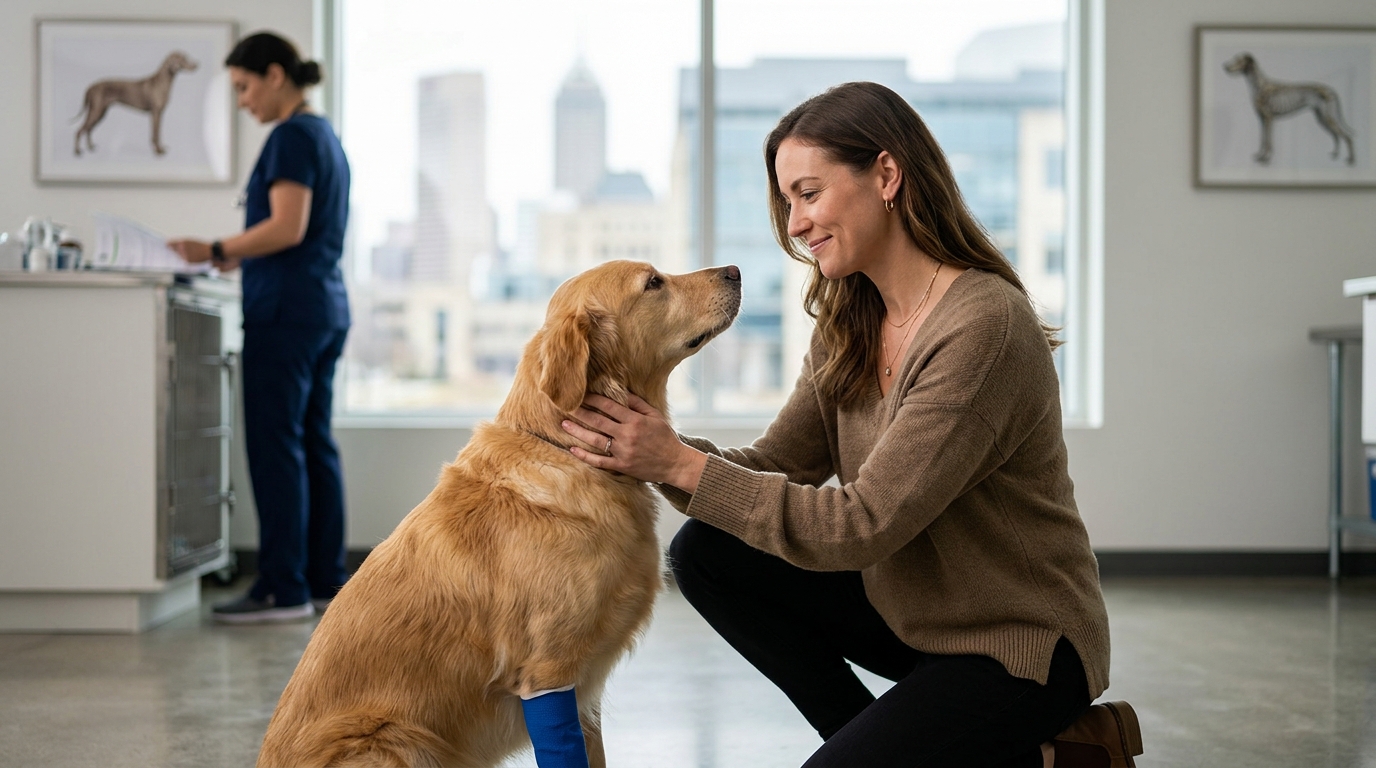
Orthopedic surgery for pets in Indiana involves specialized procedures to repair bones, joints, and ligaments. VSx Veterinary Surgery of Indianapolis provides these advanced services through board-certified surgeons. This guide explains common conditions, surgical techniques, and how to choose the right care for your pet.
Common Orthopedic Conditions in Dogs and Cats
General practice veterinarians often diagnose these issues using physical exams and imaging. However, complex cases may require specialized evaluation. Understanding the specific diagnosis helps pet owners make informed decisions about surgical options. For example, a fracture may require different stabilization methods than a ligament tear.
Key Surgical Techniques for Bone and Joint Repair
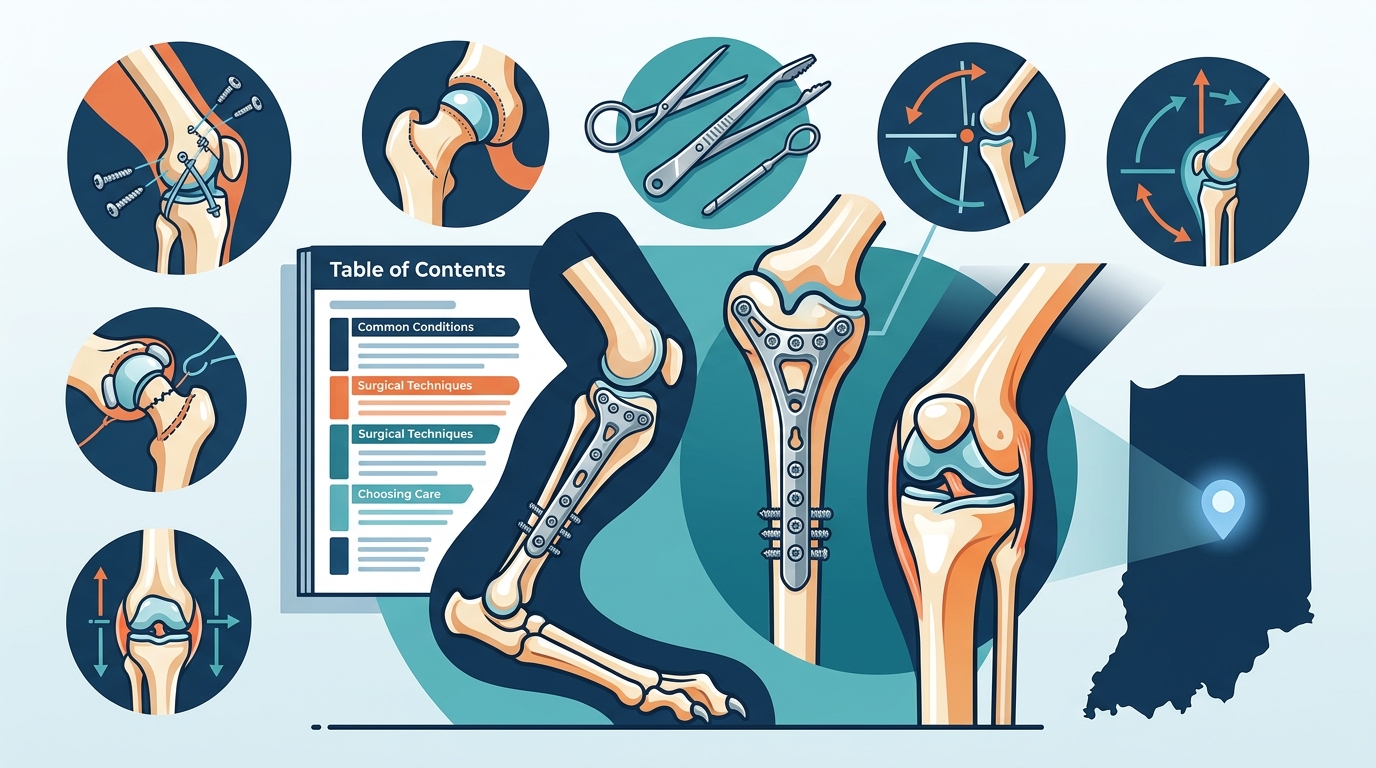
Surgeons use several techniques to restore mobility and function. Tibial Plateau Leveling Osteotomy (TPLO) is a common procedure for CrCL ruptures, involving reshaping the tibia to stabilize the knee. Fracture repair often uses plates, screws, pins, or external fixators to hold bones in place while they heal. The choice of technique depends on the specific injury and the patient's anatomy.
Recent advancements in orthopedic surgery have improved the management of musculoskeletal disorders, as noted in recent reviews of surgical trends. These innovations allow for more precise and stable repairs. At VSx Indianapolis, surgeons utilize state-of-the-art equipment to perform these procedures with precision.
The Role of Board-Certified Surgeons in Indiana
Choosing a qualified surgeon is critical for complex orthopedic cases. A board-certified veterinary surgeon is a veterinarian who has completed an internship and a 3-4 year surgical residency, followed by rigorous certification through the American College of Veterinary Surgeons (ACVS). This extensive training ensures they possess the expertise to handle advanced procedures.
VSx Indianapolis features a team of board-certified surgeons, including Dr. Brian Martin and Dr. Kate Fitzwater. Their combined experience exceeds 30 years in practicing surgery. This level of specialization is distinct from general practice veterinarians, who may perform routine surgeries but do not dedicate their entire careers to advanced surgical techniques. Collaborative care between general practitioners and specialists ensures comprehensive treatment plans.
Rehabilitation and Post-Operative Care
Surgery is only one part of the recovery process. Physical therapy and rehabilitation are essential for restoring full mobility after orthopedic procedures. These fields are transforming the management of musculoskeletal conditions in companion animals, according to research on small animal rehabilitation. Controlled exercise, pain management, and monitoring are key components of post-operative care.
Choosing the Right Surgical Facility
When selecting a surgical facility, consider the team's expertise and the available technology. VSx focuses exclusively on surgery, allowing for concentrated focus and efficient workflows. The Indianapolis location is a modern, purpose-built facility designed for precision and safety. This dedicated environment supports the high volume of specialized cases that board-certified surgeons handle.
Referring veterinarians in Indiana and surrounding regions often partner with VSx to provide their patients with advanced care. This collaborative model ensures that pets receive timely access to specialized surgeries without unnecessary delays. For pet owners, this means a seamless referral process and clear communication throughout the treatment journey.
Key Takeaways
- Orthopedic surgery addresses conditions like CrCL ruptures, fractures, and hip dysplasia.
- TPLO is a common technique for knee ligament repairs, while fractures often require plates or screws.
- Board-certified surgeons have completed extensive residency training and ACVS certification.
- VSx Indianapolis offers advanced surgical care with a team of experienced specialists.
- Rehabilitation and physical therapy are crucial for successful post-operative recovery.
- Choosing a facility with a dedicated surgical focus can improve efficiency and outcomes.
Frequently Asked Questions
What is a board-certified veterinary surgeon?
A board-certified veterinary surgeon is a veterinarian who has completed an internship and a 3-4 year surgical residency, followed by certification through the American College of Veterinary Surgeons (ACVS).
What is TPLO surgery?
TPLO, or Tibial Plateau Leveling Osteotomy, is a surgical procedure used to treat cranial cruciate ligament ruptures by reshaping the tibia to stabilize the knee joint.
How long does recovery take after orthopedic surgery?
Recovery timelines vary by procedure and individual patient. Most pets require several weeks to months of restricted activity and rehabilitation to regain full mobility.
Do I need a referral to see a VSx surgeon?
VSx typically works with referring veterinarians. Your primary care veterinarian can evaluate your pet and refer you to VSx if specialized surgery is required.
What types of fractures can be repaired surgically?
Many fractures in dogs and cats can be repaired using pins, wires, plates, screws, rods, or external fixators to provide stability for healing.
Where is VSx Veterinary Surgery located in Indiana?
VSx Veterinary Surgery of Indianapolis is located at 9210 N. Meridian Street, Indianapolis, IN 46260.
Next Steps for Pet Owners
If your pet is showing signs of orthopedic pain or mobility issues, consult your primary care veterinarian for an evaluation. They can determine if specialized surgery is necessary and refer you to a trusted partner like VSx Veterinary Surgery of Indianapolis. To learn more about our services and book a consultation, visit our Indianapolis location page.