
What Vet Can Do Cat Blockages: A Complete Guide to Feline Obstruction Care
Cat blockages are serious medical emergencies requiring immediate veterinary intervention. A veterinarian can diagnose and treat these conditions using emergency stabilization, urinary catheterization, intestinal surgery, or perineal urethrostomy. This guide explains the specific procedures, diagnostic steps, and recovery protocols used by board-certified veterinary surgeons to manage feline obstructions safely and effectively.
Emergency Veterinary Care
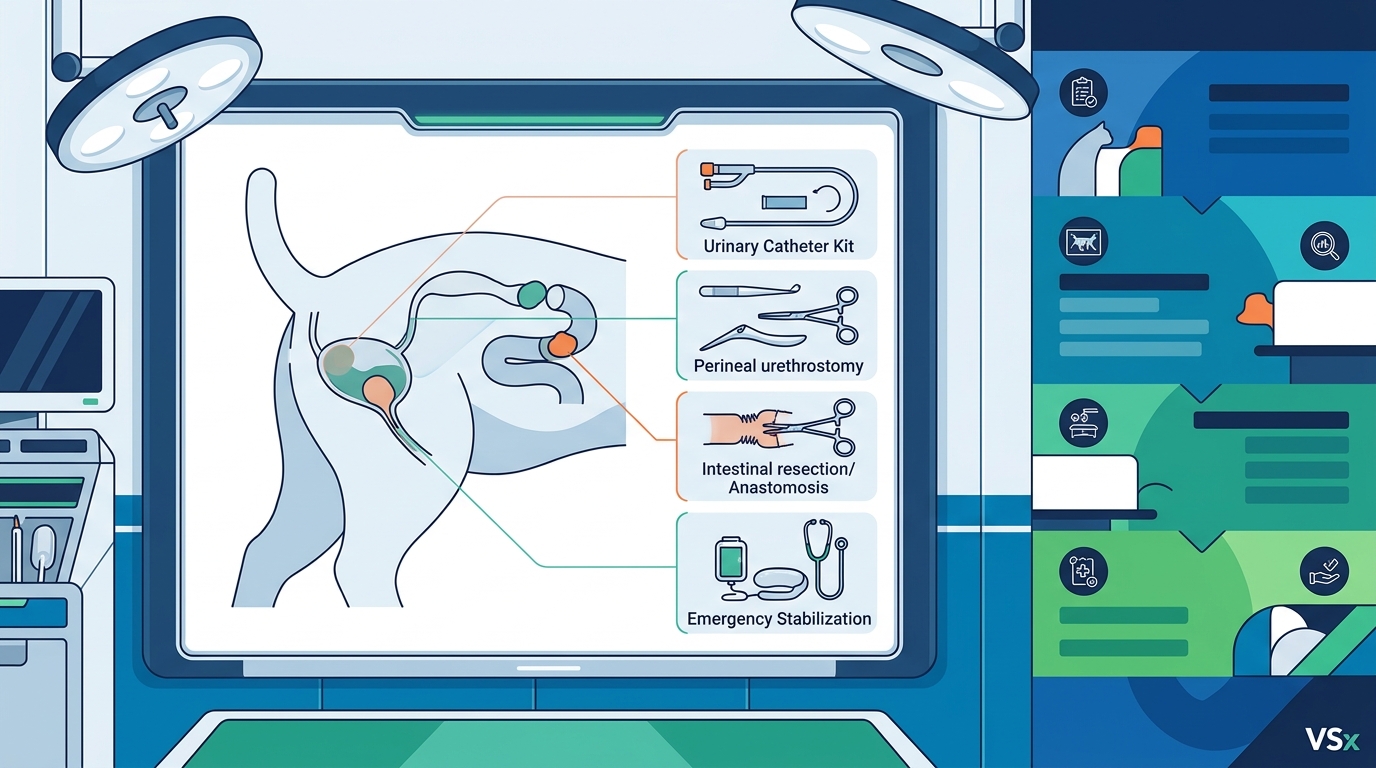
When a cat presents with signs of a blockage, immediate assessment is critical. Emergency veterinary care focuses on stabilizing the patient before definitive treatment begins. Emergency veterinary care is the immediate medical intervention provided to stabilize a patient in critical condition. This phase involves monitoring vital signs, administering intravenous fluids, and managing pain. The goal is to prevent organ damage while the diagnostic workup proceeds. Delays in this phase can lead to severe complications, including kidney failure or intestinal necrosis.
Initial Assessment and Triage
Veterinarians perform a rapid physical examination to identify the type of blockage. They check for abdominal distension, pain, and the ability to urinate. Blood work is often drawn immediately to assess kidney function and electrolyte levels. This data helps determine the urgency of surgical intervention versus medical management.
Stabilization Protocols
Stabilization includes fluid therapy to correct dehydration and support kidney function. Pain management is essential to reduce stress and prevent shock. Oxygen therapy may be administered if the cat is in respiratory distress. These measures buy time for the surgical team to prepare for the definitive procedure.
Urinary Catheterization
For male cats with urethral obstructions, catheterization is often the first line of treatment. Urinary catheterization is the insertion of a thin tube into the urethra to relieve blockage and allow urine to drain. This procedure is typically performed under sedation or general anesthesia to ensure patient comfort and safety. It provides immediate relief from the painful pressure of a full bladder. However, it is often a temporary measure until a more permanent solution is considered.
Indications for Catheterization
Catheterization is indicated when a cat is unable to urinate due to a urethral plug or stricture. It is also used to flush the urethra and remove debris. The procedure requires skill and experience to avoid trauma to the urethral lining. Board-certified surgeons are trained to perform this delicate procedure with minimal risk of injury.
Duration and Monitoring
The catheter is usually left in place for 2 to 3 days. During this time, the bladder is flushed regularly to prevent new plugs from forming. The cat is monitored for signs of infection or discomfort. Once the urethra is clear, the catheter is removed, and the cat is observed for the ability to urinate on its own.
Intestinal Blockage Surgery
Intestinal blockages occur when foreign objects, such as string or toys, obstruct the digestive tract. Intestinal blockage surgery is a surgical procedure to remove obstructions from the gastrointestinal tract. This is a life-saving intervention when medical management fails. The surgeon makes an incision in the abdomen to access the intestines. The obstruction is carefully removed, and the integrity of the intestinal wall is checked for damage.
Diagnosis of Intestinal Obstruction
Diagnosis often involves radiographs or ultrasound to locate the object. In some cases, the object is visible on X-rays, while others require contrast studies. The location of the blockage determines the surgical approach. Proximal obstructions may require different techniques than distal ones.
Surgical Techniques
Surgeons may perform an enterotomy, which is an incision into the intestine to remove the object. If the intestine is damaged, a resection and anastomosis may be necessary. This involves removing the damaged section and reconnecting the healthy ends. The choice of technique depends on the extent of the damage and the patient's overall health.
Perineal Urethrostomy
For cats with recurrent urethral blockages, a perineal urethrostomy may be recommended. Perineal urethrostomy is a surgical procedure that creates a new opening in the urethra near the anus to bypass the narrow portion of the urethra. This permanent alteration allows for easier urination and reduces the risk of future blockages. It is typically performed after multiple failed attempts at medical management or catheterization. The procedure requires precise surgical skill to ensure proper healing and function.
Indications for Perineal Urethrostomy
This surgery is indicated for cats with idiopathic urethral obstruction that recurs despite medical therapy. It is also considered for cats with strictures or anatomical abnormalities. The decision to proceed is made in collaboration with the primary care veterinarian and the pet owner. Factors such as the cat's age, overall health, and quality of life are considered.
Long-Term Benefits
The primary benefit is the prevention of future emergencies. By bypassing the narrow urethra, the risk of plug formation is significantly reduced. Cats typically adapt well to the new anatomy. Regular follow-up care is still necessary to monitor for complications such as stricture formation at the surgical site.
Emergency Vet Care Protocols
Emergency protocols are standardized to ensure consistent and high-quality care. These protocols guide the veterinary team through the initial assessment and stabilization phases. They include specific criteria for when to proceed to surgery versus medical management. Adherence to these protocols helps minimize errors and improves patient outcomes. At VSx, our board-certified surgeons follow rigorous protocols to ensure the best possible care for every patient.
Referral Process
Primary care veterinarians often refer complex cases to specialty centers. The referral process involves transferring medical records and imaging studies. This ensures that the specialty team has all the necessary information to make informed decisions. Clear communication between the referring veterinarian and the specialty team is essential for seamless care.
Communication with Owners
Owners are kept informed throughout the emergency process. The veterinary team explains the diagnosis, treatment options, and potential risks. Informed consent is obtained before any surgical procedure. This transparent communication helps owners make decisions that align with their pet's best interests.
Catheterization Procedure Details
The catheterization procedure requires specific equipment and technique. A lubricated catheter is gently inserted into the urethra. The catheter is advanced until it reaches the bladder. Urine is then drained, and the bladder is flushed with sterile saline. The catheter is secured in place with a suture or tape. Proper technique is crucial to avoid urethral trauma.
Equipment and Preparation
Appropriate catheter size is selected based on the cat's size and the degree of obstruction. Sterile technique is maintained throughout the procedure. Sedation or anesthesia is administered to ensure the cat remains still and comfortable. The surgical team prepares the necessary equipment, including flushing bags and drainage systems. according to Occurrence and clinical
Post-Procedure Care
Perineal Urethrostomy Surgery
Perineal urethrostomy is a specialized surgical procedure performed by board-certified surgeons. The surgery involves making an incision in the perineal area. The urethra is identified and a new opening is created. The skin is sutured around the new opening to prevent stricture. The procedure is performed under general anesthesia. Recovery involves monitoring for bleeding and infection at the surgical site.
Surgical Steps
The surgeon makes a midline incision in the perineum. The urethra is dissected free from surrounding tissues. A new stoma is created in the urethra. The edges of the stoma are sutured to the skin. The incision is closed, and a bandage is applied. The entire procedure typically takes less than an hour.
Recovery and Aftercare
Cats typically recover well from perineal urethrostomy. They are monitored for the first few days after surgery. The surgical site is checked for signs of infection or stricture. Owners are instructed on how to clean the area and monitor for urination. Regular follow-up appointments are scheduled to ensure long-term success.
Electrolyte Management
Electrolyte imbalances are common in cats with blockages. Electrolyte management is the process of correcting imbalances in sodium, potassium, and chloride levels. These imbalances can lead to life-threatening cardiac arrhythmias. Intravenous fluids are used to correct these levels gradually. Blood work is monitored frequently to guide fluid therapy. Proper electrolyte management is critical for patient safety during and after surgery.
Monitoring Electrolytes
Baseline electrolyte levels are obtained before treatment begins. Levels are rechecked every 12 to 24 hours during hospitalization. Adjustments to fluid therapy are made based on these results. The goal is to normalize electrolyte levels while supporting kidney function. Close monitoring helps prevent complications associated with rapid correction.
Fluid Therapy
Isotonic crystalloid solutions are typically used for initial resuscitation. Once the patient is stable, maintenance fluids are administered. The rate of fluid administration is adjusted based on the cat's urine output and electrolyte levels. Diuretics may be used in some cases to promote urine flow. The fluid therapy plan is individualized for each patient.
Post-Blockage Prevention
Preventing recurrence is a key goal after treating a blockage. Post-blockage prevention involves a combination of medical management and lifestyle modifications. For urinary blockages, diet plays a crucial role. Prescription diets are designed to alter urine pH and reduce crystal formation. Increased water intake is encouraged to dilute the urine. Regular veterinary check-ups are necessary to monitor for recurrence.
Dietary Management
Prescription diets are tailored to the specific type of crystals or plugs. These diets help maintain a favorable urine pH. They also reduce the concentration of minerals that form crystals. Owners must strictly adhere to the prescribed diet. Free-feeding is often recommended to encourage increased water intake.
Environmental Enrichment
Stress is a known trigger for urinary blockages. Reducing stress in the home environment is important. This includes providing multiple litter boxes, hiding spots, and vertical space. Multi-cat households should ensure adequate resources to reduce competition. Behavioral modifications can help reduce stress-related flare-ups.
Key Takeaways
- Emergency veterinary care is the first step in managing cat blockages, focusing on stabilization and pain management.
- Urinary catheterization provides immediate relief for urethral obstructions but is often a temporary measure.
- Intestinal blockage surgery is required when foreign objects obstruct the digestive tract and cannot be passed naturally.
- Perineal urethrostomy is a permanent surgical solution for cats with recurrent urethral blockages.
- Electrolyte management is critical to prevent life-threatening cardiac complications during treatment.
- Post-blockage prevention involves dietary changes, increased water intake, and stress reduction.
- Board-certified veterinary surgeons provide specialized care for complex feline obstruction cases.
- Collaboration between primary care veterinarians and specialty surgeons ensures comprehensive patient care.
Frequently Asked Questions
What are the signs of a cat blockage?
How long does a cat stay in the hospital after catheterization?
Cats typically stay in the hospital for 2 to 3 days after catheterization. This allows time for the urethra to heal and for the cat to be monitored for the ability to urinate on its own. The exact duration depends on the individual patient's response to treatment.
Is perineal urethrostomy a permanent solution?
Yes, perineal urethrostomy is a permanent surgical alteration. It bypasses the narrow portion of the urethra, significantly reducing the risk of future blockages. While it is a permanent change, regular veterinary monitoring is still necessary to ensure long-term success.
Can a cat pass a string blockage on its own?
It is rare for a cat to pass a string blockage on its own. String can cause linear foreign body syndrome, which can lead to intestinal tearing and severe complications. Surgical intervention is usually required to remove the string safely.
What is the role of a board-certified surgeon in treating cat blockages?
Board-certified surgeons provide specialized care for complex cases that require advanced surgical techniques. They are trained to perform procedures such as perineal urethrostomy and intestinal resection. Their expertise ensures that the most appropriate and safe treatment is provided.
How can I prevent my cat from getting a blockage?
Prevention involves feeding a prescription diet, encouraging water intake, and reducing stress. Regular veterinary check-ups are also important to monitor for early signs of urinary issues. Keeping small objects out of reach can prevent intestinal blockages.
What is the success rate of perineal urethrostomy?
Perineal urethrostomy has a high success rate in preventing recurrent blockages. However, individual outcomes can vary based on the patient's overall health and compliance with post-operative care. A board-certified surgeon can provide more specific information based on your cat's case. according to Welfare of cats
Do I need to refer my cat to a specialty center?
Referral to a specialty center is recommended for complex cases or when initial treatment fails. Your primary care veterinarian can help determine if referral is necessary. Specialty centers have the expertise and equipment to manage difficult cases effectively.
Conclusion
Cat blockages are serious conditions that require prompt and specialized veterinary care. From emergency stabilization to advanced surgical interventions, the treatment options are extensive and effective. Board-certified veterinary surgeons play a crucial role in managing these complex cases. At VSx, our team of experienced surgeons is committed to providing advanced surgical care for dogs and cats. We collaborate closely with referring veterinarians to ensure the best possible outcomes for our patients. If your cat is showing signs of a blockage, please contact your primary care veterinarian immediately. For complex cases, consider consulting with a board-certified surgeon at VSx for individualized treatment recommendations.