
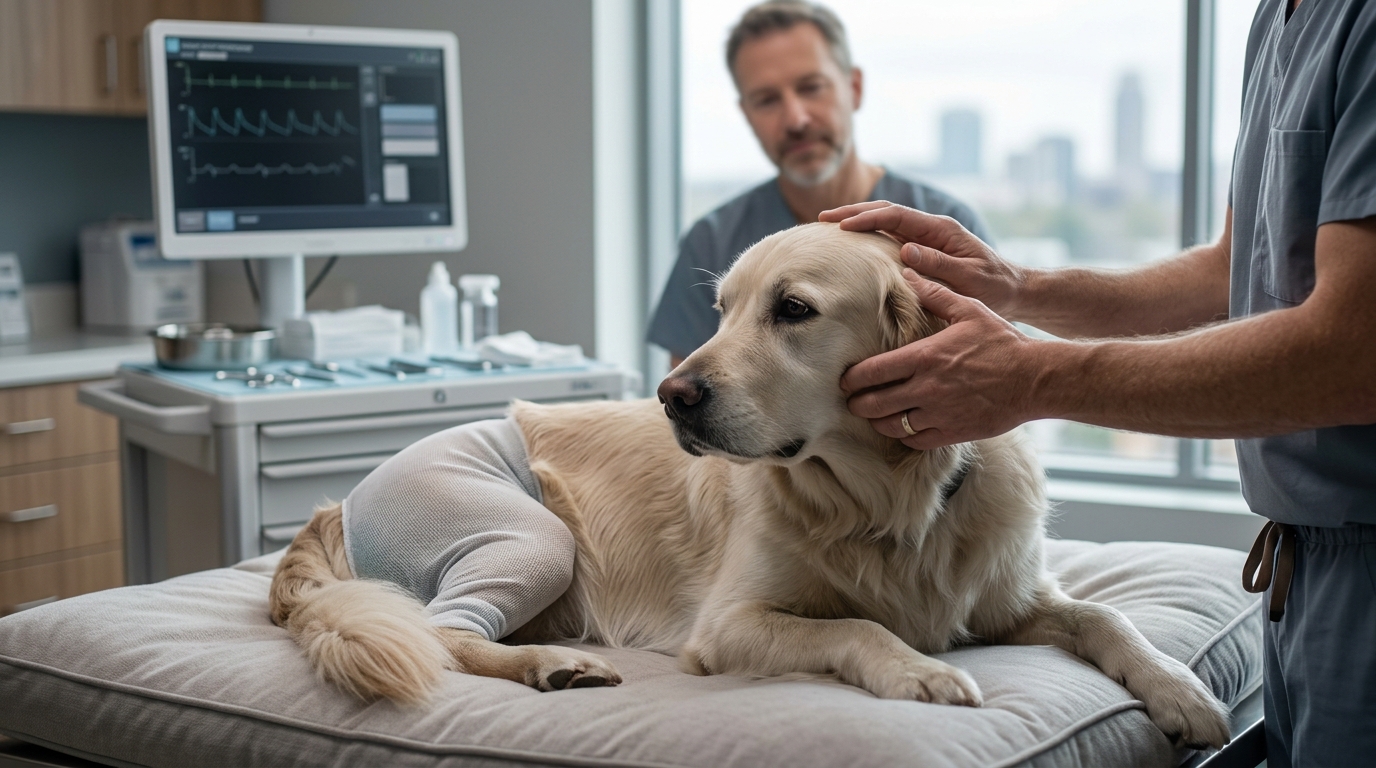
Cruciate ligament injuries are among the most frequent orthopedic emergencies in large-breed dogs, with the Tibial Plateau Leveling Osteotomy (TPLO) procedure standing as the gold standard for stabilization. According to recent veterinary orthopedic data, over 500,000 cruciate surgeries are performed annually in the United States alone, highlighting the critical need for precision in these complex cases. When executed correctly, TPLO restores stability and allows for a rapid return to activity. However, the margin for error is slim, and even minor deviations can lead to long-term complications. This guide explores the most common pitfalls in TPLO surgery and provides actionable insights for pet owners and referring veterinarians to ensure the best possible outcome for their canine patients. (Board Certified Veterinary Surgery)
Understanding the TPLO Procedure
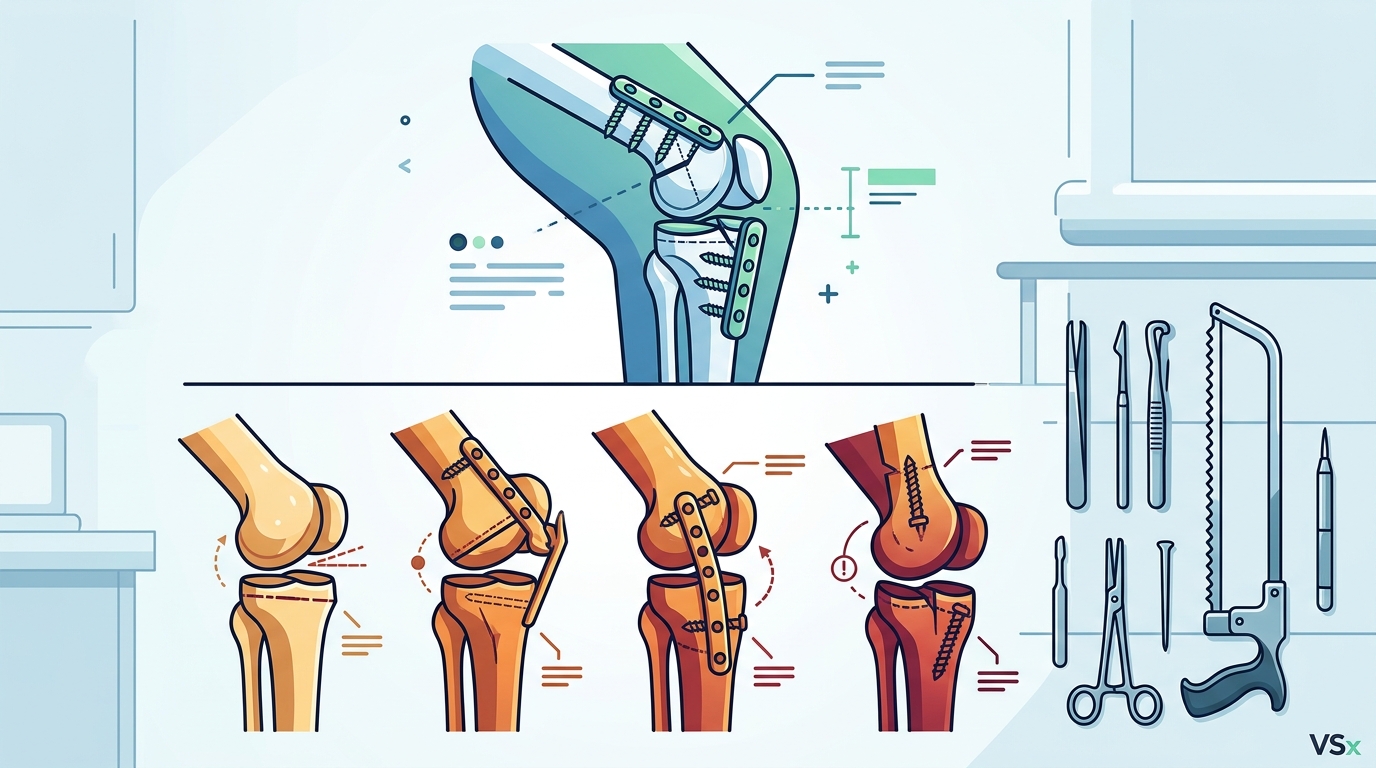
Tibial Plateau Leveling Osteotomy is a surgical technique designed to stabilize the knee joint in dogs suffering from cranial cruciate ligament (CCL) rupture. Unlike traditional methods that rely on scar tissue formation for stability, TPLO alters the biomechanics of the knee. The procedure involves cutting the tibial tuberosity and rotating it to change the angle of the tibial plateau. This adjustment neutralizes the cranial tibial thrust, allowing the joint to function without the ligament.
The success of this procedure hinges on the surgeon's ability to execute each step with mathematical precision. A board-certified veterinary surgeon brings years of specialized training to this task, ensuring that the complex geometry of the dog's anatomy is respected. At VSx, our surgeons utilize state-of-the-art diagnostic imaging to plan every case, ensuring that the surgical plan is tailored to the individual patient's anatomy rather than a one-size-fits-all approach.
The Critical Role of Accurate Measurement
The most significant factor in TPLO success is the accuracy of the tibial plateau angle (TPA) measurement. The goal of the surgery is to reduce the TPA to approximately 5 degrees. If the angle is not leveled correctly, the knee may remain unstable, leading to continued pain and potential arthritis progression.
Mistake 1: Inaccurate Pre-Surgical Imaging
One of the most common errors occurs before the scalpel even touches the skin. If the pre-operative radiographs are not taken at the correct angle or with proper positioning, the calculated cut angle will be wrong. This can result in over-correction or under-correction of the tibial plateau. To prevent this, surgeons must use standardized radiographic protocols. Digital X-ray technology, such as the systems used at our Chicago location, allows for precise digital measurements that reduce human error and improve planning accuracy.
Mistake 2: Ignoring Individual Anatomical Variations
Every dog's tibia is unique. Factors such as the size of the dog, the degree of bone degeneration, and the specific shape of the tibial plateau can influence the surgical plan. A generic approach that does not account for these variations can lead to suboptimal outcomes. Surgeons must carefully analyze the patient's specific anatomy to determine the exact degree of rotation needed for the osteotomy.
Plate Selection and Contouring Mistakes
Once the osteotomy is performed, a specialized plate and screws are used to hold the bone fragments in place. The selection and application of this hardware are critical steps that require significant expertise.
Mistake 3: Improper Plate Contouring
Plates must be contoured to match the exact surface of the tibia. If the plate does not sit flush against the bone, it can cause stress risers, leading to plate failure or screw loosening. This is particularly common in dogs with irregular bone surfaces due to chronic arthritis. Surgeons must manually contour the plate to ensure perfect fit. Our team at VSx Indianapolis emphasizes meticulous plate contouring as a standard part of our surgical protocol to minimize this risk.
Mistake 4: Incorrect Plate Size
Using a plate that is too large or too small can compromise the stability of the fixation. A plate that is too large may extend beyond the bone, irritating surrounding soft tissues. Conversely, a plate that is too small may not provide adequate support. Surgeons must select the appropriate plate size based on the patient's weight and bone diameter. This decision is often guided by the surgeon's experience and the specific instrumentation available in the surgical suite.
Pin Placement and Bone Integrity
The placement of pins and screws is another area where mistakes can have serious consequences. The goal is to achieve maximum stability while minimizing damage to the bone and surrounding tissues.
Mistake 5: Pin Tract Infections
If pins are placed too superficially or if the surgical site is not kept clean, there is a risk of pin tract infections. These infections can lead to pain, swelling, and potentially deeper bone infections (osteomyelitis). To prevent this, surgeons must ensure that pins are placed deep enough to be covered by soft tissue and that the surgical site is meticulously closed in layers. Post-operative care instructions for pet owners must also emphasize keeping the incision site clean and dry.
Mistake 6: Fracture of the Tibial Tuberosity
The tibial tuberosity is the attachment point for the patellar tendon. If the osteotomy cut is not performed correctly or if the plate is not secured properly, the tuberosity can fracture. This is a serious complication that can require additional surgery. Surgeons must use careful technique when performing the osteotomy and when tightening the screws to avoid stressing the bone. Our surgeons at VSx Nashville utilize advanced surgical techniques to protect the integrity of the tibial tuberosity during the procedure.
Post-Operative Care and Rehabilitation
The surgery is only one part of the equation. Post-operative care and rehabilitation are crucial for a successful recovery. Many mistakes occur in the home environment, where pet owners may inadvertently hinder the healing process.
Mistake 7: Premature Activity
One of the most common mistakes made by pet owners is allowing their dog to be too active too soon. While dogs recover quickly from TPLO, the bone still needs time to heal. Allowing the dog to run, jump, or play vigorously can disrupt the healing process and lead to hardware failure. Pet owners must strictly adhere to leash-walking guidelines for the first 8 to 12 weeks post-surgery. Our team provides detailed post-operative instructions to ensure that pet owners understand the importance of restricted activity.
Mistake 8: Neglecting Physical Therapy
While restricted activity is important, complete inactivity can lead to muscle atrophy and joint stiffness. Physical therapy, including controlled exercises and hydrotherapy, can help maintain muscle mass and promote healing. Pet owners should work with their veterinarian or a certified veterinary rehabilitation therapist to develop a safe and effective exercise plan. At VSx, we collaborate with referring veterinarians to ensure that our patients receive comprehensive care, including guidance on post-operative rehabilitation.
Why Specialist Care Matters
Given the complexity of TPLO surgery and the potential for serious complications, it is essential to choose a surgeon with extensive experience and specialized training. Board-certified veterinary surgeons have undergone rigorous training and certification through the American College of Veterinary Surgeons (ACVS). This ensures that they have the knowledge and skills necessary to perform complex orthopedic procedures safely and effectively.
At VSx, we are committed to providing the highest standard of surgical care. Our surgeons are not only board-certified but also bring an average of 15 years of experience to every case. We utilize state-of-the-art diagnostic and surgical equipment, including outpatient CT scans, to ensure accurate diagnosis and precise surgical planning. Our focus on surgery-only care allows us to dedicate our full attention to your pet's needs, ensuring the best possible outcome.
Whether you are in Chicago, Indianapolis, or Nashville, our team is here to support you and your pet through every step of the surgical journey. We understand that trusting a surgeon with your pet's health is a significant decision. That is why we prioritize clear communication, collaborative care with your referring veterinarian, and exceptional value for our patients and their families.
Key Takeaways
- Accuracy is Critical: Precise measurement of the tibial plateau angle is the most important factor in TPLO success.
- Specialist Expertise: Board-certified surgeons have undergone years of specialized training and certification.
- Hardware Matters: Proper plate selection and contouring are essential for stable fixation.
- Post-Op Care: Strict adherence to activity restrictions and rehabilitation protocols is vital for healing.
- Collaborative Care: Communication between the surgeon and referring veterinarian ensures comprehensive patient care.
- Advanced Technology: Utilizing digital X-ray and CT scans improves diagnostic accuracy and surgical planning.
- Experience Counts: VSx surgeons bring an average of 15 years of experience to every case.
Frequently Asked Questions
What is the success rate of TPLO surgery?
TPLO surgery has a high success rate, with most dogs returning to normal activity levels within a few months. However, the outcome depends on factors such as the accuracy of the procedure, the patient's overall health, and adherence to post-operative care instructions.
How long does it take for a dog to recover from TPLO?
While dogs often show improvement within the first few weeks, full bone healing takes approximately 8 to 12 weeks. During this time, restricted activity and controlled rehabilitation are essential.
Is TPLO more expensive than other cruciate surgeries?
TPLO is typically more expensive than traditional procedures like the lateral suture technique due to the specialized instrumentation and surgeon expertise required. However, many pet owners find the long-term benefits and reduced risk of complications to be worth the investment.
Can a general veterinarian perform TPLO?
While some general veterinarians are trained in TPLO, board-certified veterinary surgeons have undergone extensive specialized training and have significant experience with complex orthopedic cases. Choosing a specialist can reduce the risk of complications and improve outcomes.
What are the signs of complications after TPLO?
Signs of complications may include persistent lameness, swelling, pain, or discharge from the incision site. If you notice any of these symptoms, contact your veterinarian immediately.
Does VSx offer post-operative rehabilitation services?
VSx focuses on surgical care and collaborates with referring veterinarians and rehabilitation specialists to provide comprehensive post-operative care. We provide detailed instructions and guidance to support your pet's recovery.
Ready to Secure the Best Outcome for Your Pet?
If your dog has been diagnosed with a cruciate ligament injury, do not wait. Early intervention and expert surgical care can make all the difference in your pet's quality of life. Contact VSx Veterinary Surgery today to schedule a consultation with one of our board-certified surgeons. Whether you are in Chicago, Indianapolis, or Nashville, our team is ready to provide the specialized care your pet deserves. Visit our locations page to find the nearest facility and book your appointment now.