

Cruciate ligament injuries are among the most common orthopedic emergencies in dogs, affecting millions of pets annually. According to recent veterinary orthopedic data, the Tibial Plateau Leveling Osteotomy (TPLO) is the gold standard surgical intervention for stabilizing the stifle joint in medium to large breeds. This procedure has revolutionized post-injury mobility, offering a high success rate for restoring full weight-bearing function without the need for prolonged, restrictive confinement. Understanding the mechanics and recovery of this surgery is vital for pet owners facing this diagnosis. (Board Certified Veterinary Surgery)
What Is a TPLO Procedure?
A Tibial Plateau Leveling Osteotomy (TPLO) is a specialized orthopedic surgery designed to stabilize the knee joint, technically known as the stifle, in dogs. The procedure addresses the underlying biomechanical instability caused by a torn cranial cruciate ligament (CCL). Unlike the human ACL, the canine CCL is rarely torn by acute trauma. Instead, it typically degenerates over time due to genetics, conformation, and wear. When this ligament fails, the tibia (shin bone) slides forward excessively relative to the femur (thigh bone), causing pain, inflammation, and eventual arthritis. (FAQs mdash VSx Veterinary)
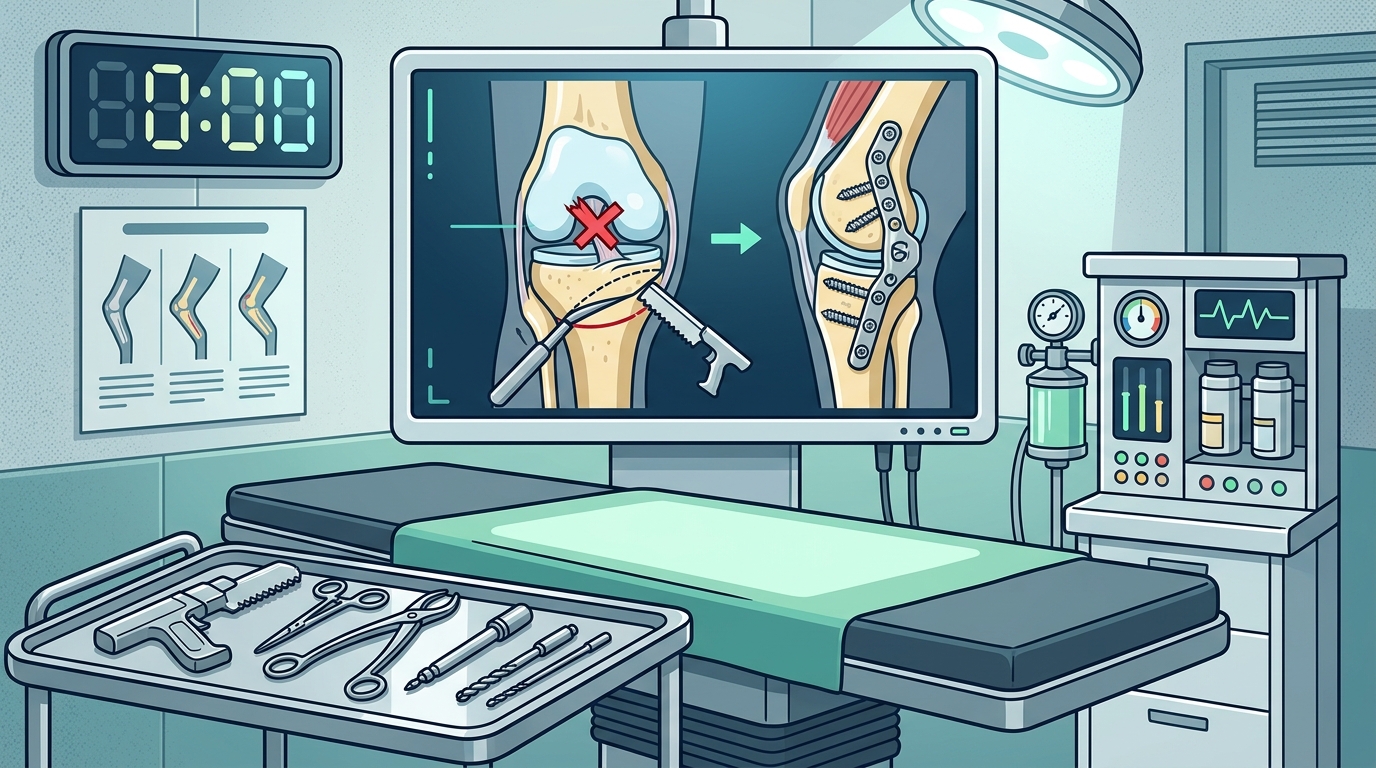
The core mechanism of the TPLO involves cutting the tibia in a precise arc and rotating it to change the angle of the tibial plateau. By leveling this slope, the surgeon eliminates the shear force that causes the tibia to slide forward. This creates a stable joint where the patellar ligament now acts as a stabilizer rather than a destabilizer. The bone is then secured with a specialized plate and screws to allow for proper healing. This approach is widely recognized in veterinary medicine as a highly effective solution for restoring function. (Board Certified Veterinary Surgery)
Who Needs This Surgery?
TPLO surgery is primarily indicated for medium to large breed dogs that have suffered a complete rupture of the cranial cruciate ligament. Breeds such as Labrador Retrievers, Golden Retrievers, Rottweilers, and German Shepherds are genetically predisposed to CCL injuries. The procedure is also suitable for smaller breeds when the clinical signs of instability are severe. The decision to proceed with surgery is usually driven by the dog's pain levels, the degree of joint instability, and the owner's commitment to post-operative rehabilitation. (VSx Veterinary Surgery)
Non-surgical management is an option for some dogs, but it often leads to chronic pain and accelerated osteoarthritis. Without surgical stabilization, the dog will develop a significant limp and muscle atrophy in the affected leg. Early intervention is critical to preserving joint health. If you are noticing your dog struggling to rise, hesitating to jump, or favoring one leg, a consultation with a specialist is the next logical step. You can explore our services and pricing to understand the scope of care available.
The Surgical Process
The TPLO procedure is performed under general anesthesia in a sterile surgical environment. The process begins with a thorough pre-operative assessment, including digital X-rays to plan the exact degree of rotation needed for the specific patient. During the surgery, the surgeon makes an incision over the stifle joint and carefully cuts the tibia along a calculated arc. The tibial plateau is then rotated to a neutral angle, effectively neutralizing the shear force.
Once the correct angle is achieved, a stainless steel plate and screws are used to secure the bone in its new position. This hardware provides rigid stability while the osteotomy site heals. The joint capsule and soft tissues are then sutured closed in layers. VSx utilizes state-of-the-art diagnostic and surgical equipment to ensure precision. For more details on our surgical capabilities, visit our orthopedic surgery page.
Pre-Surgical Diagnostics
Before any incision is made, accurate diagnostics are paramount. VSx offers comprehensive imaging services, including digital X-rays and outpatient CT scans. These tools allow the surgical team to visualize the bone structure in three dimensions, ensuring the surgical plan is tailored to the individual dog's anatomy. This level of detail minimizes surgical errors and optimizes the long-term outcome for the patient.
Intraoperative Precision
The success of a TPLO relies heavily on the precision of the tibial angle measurement. The goal is to achieve a Tibial Plateau Angle (TPA) of approximately five degrees. This specific angle ensures that the joint remains stable throughout the range of motion. Our board-certified surgeons have an average of 15 years of experience, providing the expertise necessary to navigate complex anatomical variations.
Recovery and Rehabilitation
Recovery from a TPLO is a structured process that requires strict adherence to activity restrictions. The first four to six weeks are critical for bone healing. During this period, the dog must be strictly confined to a crate or small room when unsupervised. Leash walks are permitted only for bathroom breaks, and these must be short and controlled. Allowing the dog to run, jump, or play during this phase can compromise the hardware and delay healing.
After the initial healing phase, gradual physical therapy begins. This may include controlled exercises, hydrotherapy, or laser therapy to rebuild muscle mass and restore joint mobility. Most dogs show significant improvement in their gait within six to eight weeks. Full recovery and return to high-impact activities typically occur between four and six months post-surgery. Regular follow-up X-rays are essential to monitor bone healing and hardware placement.
Pain Management
Effective pain management is a cornerstone of the recovery process. VSx employs a multimodal approach to pain control, utilizing local anesthetics, systemic analgesics, and anti-inflammatory medications. This ensures the dog remains comfortable during the immediate post-operative period, which facilitates earlier mobilization and better overall outcomes.
Why Choose Board-Certified Surgeons
Choosing the right surgical team is as important as the procedure itself. VSx is founded on the principle that the quality of a practice depends on present, independent ownership by board-certified surgeons. Our team includes Diplomates of the American College of Veterinary Surgeons (ACVS), who have completed rigorous residency training and certification. This level of specialization ensures that your pet receives care from experts who perform these procedures daily.
Our facilities in Chicago and Indianapolis are equipped with advanced surgical technology and staffed by highly experienced surgical teams. We focus exclusively on specialty care, allowing us to maintain the highest standards of surgical outcomes. For a deeper look at our team, meet our board-certified surgeons and learn about their extensive backgrounds.
Collaborative Care Model
VSx operates as a trusted partner for referring veterinarians. We maintain open lines of communication with your primary care provider to ensure a seamless transition from diagnosis to surgery and recovery. This collaborative approach ensures that all aspects of your pet's health are managed cohesively. We also provide detailed post-operative instructions and support to pet owners, empowering them to care for their dogs effectively.
TPLO vs. Other Stabilization Methods
While TPLO is the most common stabilization technique, other methods exist. Understanding the differences can help you make an informed decision. The following table compares TPLO with two other popular procedures.
| Procedure | Mechanism of Action | Best For | Recovery Time |
|---|---|---|---|
| TPLO | Levels the tibial plateau to eliminate shear force. | Medium to large breeds with high activity levels. | 4-6 weeks for bone healing; 4-6 months for full function. |
| TTA | Advances the tibial tuberosity to change the patellar ligament angle. | Younger dogs or specific anatomical conformations. | Similar to TPLO, but hardware removal is more common. |
| Lateral Suture | Uses a synthetic suture to mimic the CCL function. | Smaller dogs or less active patients. | Faster initial healing, but higher long-term failure rate. |
Each procedure has its own indications and contraindications. A board-certified surgeon will evaluate your dog's specific anatomy and lifestyle to recommend the most appropriate option. For complex cases, our outpatient CT scans can provide additional clarity on the best surgical approach.
Key Takeaways
- TPLO Stabilizes the Joint: The procedure eliminates the shear force caused by a torn CCL by leveling the tibial plateau angle to approximately five degrees.
- Gold Standard for Large Breeds: TPLO is widely regarded as the most effective surgical treatment for medium to large breed dogs with cruciate ligament rupture.
- Board-Certified Expertise: VSx surgeons are Diplomates of the ACVS, with an average of 15 years of specialized surgical experience.
- Strict Recovery Protocol: Successful outcomes depend on strict confinement for the first four to six weeks and gradual rehabilitation thereafter.
- Advanced Diagnostics: Pre-surgical planning utilizes digital X-rays and CT scans to ensure precise surgical execution.
- Collaborative Care: VSx works closely with referring veterinarians to ensure seamless continuity of care for your pet.
- High Success Rate: Most dogs return to full weight-bearing and normal activity levels within four to six months post-surgery.
Frequently Asked Questions
How long does a TPLO surgery take?
The surgical procedure itself typically takes between 60 and 90 minutes, depending on the complexity of the case and the patient's anatomy. This time does not include pre-operative preparation or post-operative recovery room monitoring.
Is TPLO painful for my dog?
While the surgery involves cutting bone, VSx employs a multimodal pain management protocol. This includes local anesthetics, systemic pain relievers, and anti-inflammatories to ensure your dog remains comfortable throughout the recovery process.
Can both legs be operated on at the same time?
Generally, we recommend staging the surgeries. Operating on one leg at a time allows the dog to use the other leg for support during recovery. Simultaneous surgery can complicate rehabilitation and increase the risk of complications.
What is the cost of a TPLO procedure?
The cost varies based on the location, the specific surgeon, and any additional diagnostics required. You can view our detailed services and pricing for more information. We also offer financing options to make specialized care accessible.
How do I find a board-certified surgeon near me?
VSx has locations in Chicago, Indianapolis, and Nashville. Our surgeons are Diplomates of the American College of Veterinary Surgeons. You can find your nearest location and schedule a consultation.
What happens if the hardware needs to be removed?
In some cases, the plate or screws may need to be removed after the bone has fully healed. This is a minor procedure compared to the initial TPLO. Your surgeon will evaluate the need for removal during follow-up appointments.
Can my dog play sports after TPLO?
Yes, many dogs return to high-impact activities such as agility, hunting, and running. However, this should only be done after full clearance from your surgeon, typically around the four to six-month mark, and after completing physical therapy.
Contact VSx Veterinary Surgery
If your dog has been diagnosed with a cruciate ligament injury, timely intervention is crucial for the best outcome. VSx Veterinary Surgery offers expert orthopedic care with board-certified surgeons who are dedicated to restoring your pet's mobility and quality of life. We invite you to schedule a consultation to discuss your dog's specific needs and surgical options.
Visit our locations page to find a facility near you. You can also book an appointment directly online. For immediate questions, please contact our Chicago, Indianapolis, or Nashville offices. Trust VSx to provide the highest standard of surgical care for your beloved companion.