
Common Mistakes in Pre- and Post-Operative Care for Veterinary Surgery
Pre-operative preparation and post-operative recovery are the two most critical phases in any veterinary surgical journey. Statistics indicate that complications arising from inadequate home care or rushed pre-surgical diagnostics can increase recovery times by up to 30 percent. At VSx, we see many pet owners who love their animals deeply but unknowingly introduce risks during these vulnerable windows. Understanding the specific protocols for orthopedic and soft tissue procedures is essential for ensuring your pet returns to their normal life with minimal pain and maximum mobility. (Board Certified Veterinary Surgery)
Critical Pre-Operative Mistakes to Avoid
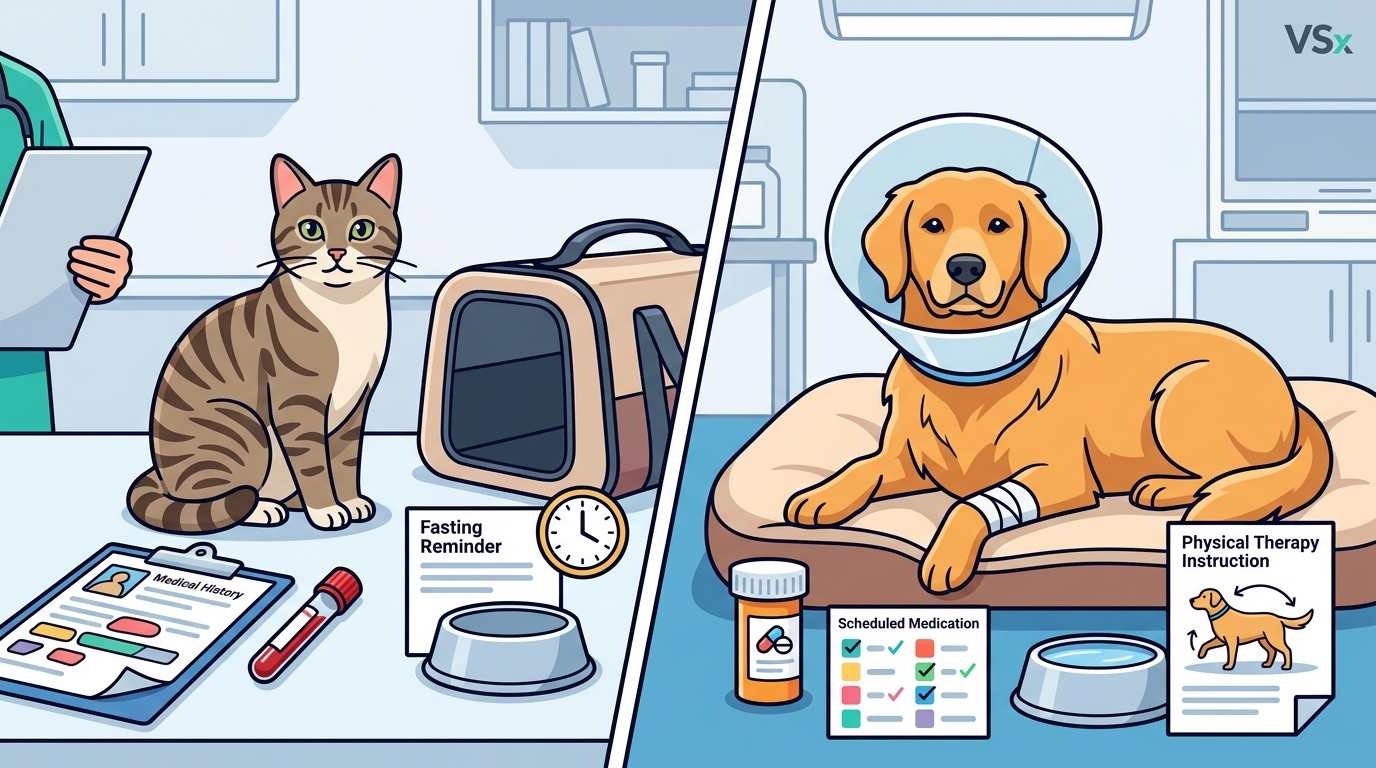
The foundation of a successful surgery is laid before your pet ever enters the operating room. One of the most frequent errors is neglecting the importance of pre-surgical blood work. Pre-anesthetic blood panels are not optional. They reveal underlying kidney or liver issues that could affect how your pet metabolizes anesthesia. Without this data, your surgeon is operating blind to potential metabolic risks. (Board Certified Veterinary Surgery)
Another common mistake is failing to follow fasting instructions precisely. While it is natural to want to feed your pet before a big day, food in the stomach significantly increases the risk of aspiration pneumonia during anesthesia. VSx surgeons require strict adherence to fasting windows to ensure the airway remains clear. Deviating from these instructions can lead to immediate surgical cancellation, causing unnecessary stress for both you and your pet. (VSx Veterinary Surgery)
Many owners also underestimate the value of diagnostic imaging prior to the procedure. At our Chicago and Indianapolis facilities, we utilize state-of-the-art digital X-ray and outpatient CT scans to map out complex orthopedic cases. Skipping these steps or relying solely on physical palpation can result in incorrect surgical planning. For example, in TPLO surgeries for cruciate ligament tears, precise tibial plateau angles must be calculated using advanced imaging to ensure long-term joint stability.
Finally, do not hesitate to ask questions during the consultation. A board-certified surgeon is your best resource for understanding the specific risks of your pet's condition. If you feel your concerns are being dismissed, it may be time to seek a second opinion. Our team at VSx is dedicated to clear communication, ensuring you are fully informed about the surgical plan and expected outcomes.
Post-Operative Care Errors
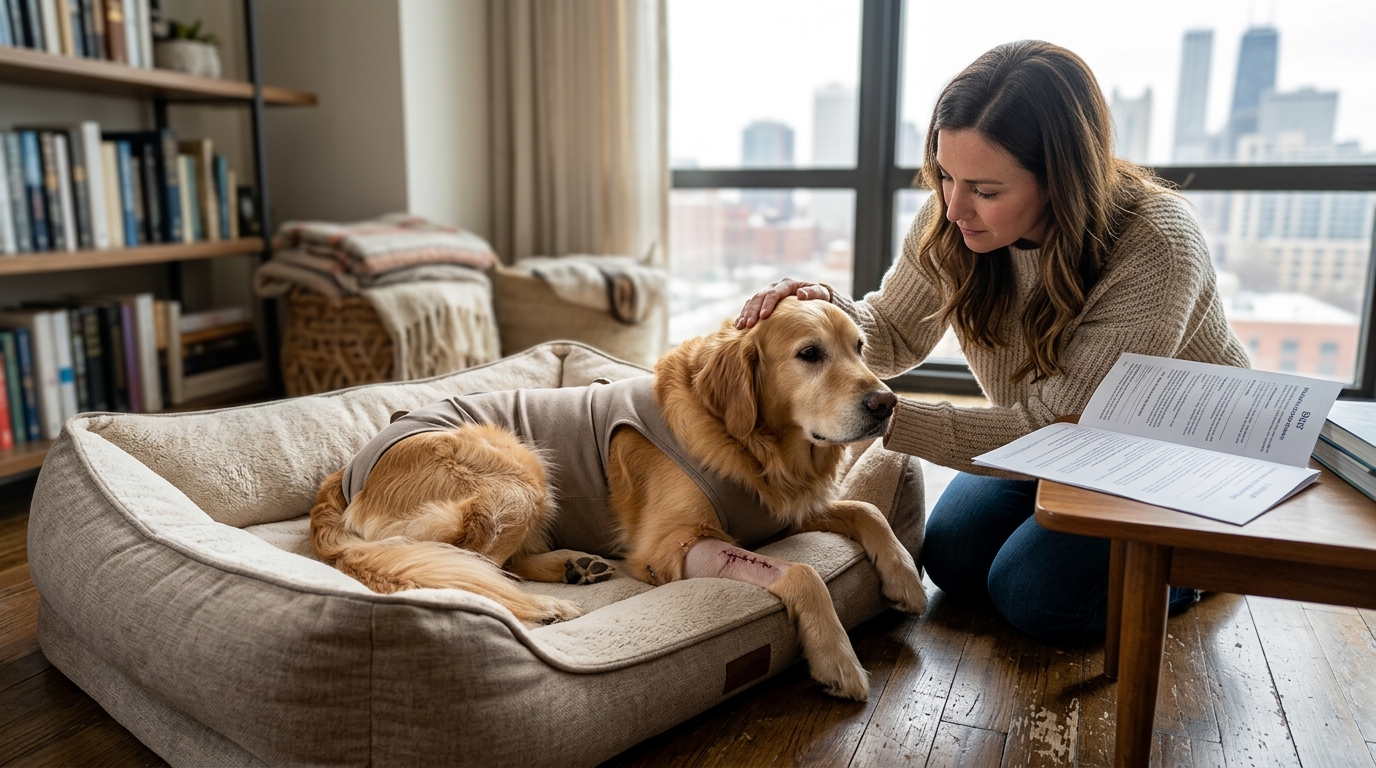
Once the surgery is complete, the focus shifts entirely to recovery. The most dangerous mistake owners make is allowing their pets to become active too soon. Whether it is a soft tissue tumor removal or a complex fracture repair, internal tissues need time to heal. Allowing your pet to jump, run, or play can disrupt sutures, cause bleeding, or lead to implant failure. Strict crate rest or leash-only bathroom breaks are often mandatory for several weeks.
Another frequent error is the improper use of Elizabethan collars or recovery suits. Pets have an instinct to lick or chew at surgical sites, which can introduce bacteria and cause severe infections. If your pet can reach the incision, they will likely damage it. Ensure the cone fits properly and does not interfere with eating or drinking. If your pet seems distressed by the cone, discuss alternative recovery garments with your surgeon, but never remove the protection without approval.
Monitoring the incision site daily is crucial. Look for signs of redness, swelling, discharge, or opening of the wound. Early detection of infection can prevent hospitalization. If you notice any changes, contact your veterinary surgeon immediately. Do not wait for the next scheduled follow-up appointment if you see something concerning. Our surgeons are available to address post-operative concerns to ensure your pet's safety.
Hygiene is also a key factor in post-operative care. Keep the surgical area clean and dry. Avoid bathing your pet until the incision is fully healed and your surgeon gives the okay. Moisture can soften the skin and introduce bacteria, delaying healing. Use damp cloths for spot cleaning if necessary, but ensure the area is thoroughly dried afterward.
Medication and Pain Management Pitfalls
Pain management is a cornerstone of veterinary surgery. One of the most serious mistakes is stopping pain medication prematurely. Pets are masters at hiding pain, and they may still be uncomfortable even if they appear to be resting. Abruptly stopping prescribed medications can lead to a rebound effect, causing increased pain and anxiety. Always follow the tapering schedule provided by your surgeon.
Another error is administering human medications without veterinary guidance. Many common over-the-counter pain relievers, such as ibuprofen or acetaminophen, are toxic to dogs and cats. Never give your pet any medication unless it has been specifically prescribed by your veterinary surgeon. Dosage errors are also common, so use the syringe or measuring device provided with the prescription.
At VSx, we prioritize expert anesthetic and pain management protocols. Our surgeons use a multimodal approach, combining different types of medications to target pain from multiple angles. This ensures your pet remains comfortable throughout the recovery process. Trust in our expertise and adhere strictly to the medication schedule we provide.
Activity Restriction Failures
Activity restriction is often the hardest part of post-operative care for pet owners. It is difficult to watch your energetic dog sit quietly when they want to play. However, violating activity restrictions can have devastating consequences. For orthopedic surgeries like TPLO or fracture repairs, excessive movement can cause the bone to shift or the implant to loosen. This may require a second surgery to correct, prolonging recovery and increasing costs.
Even for soft tissue surgeries, activity restriction is vital. Jumping and running can put tension on the incision site, leading to dehiscence (opening of the wound). Use a harness instead of a collar for walks to avoid pressure on the neck and chest. Keep walks short and controlled, and prevent your pet from interacting with other animals or children during the recovery period.
Environmental modifications can also help. Remove rugs or slippery flooring that might cause your pet to slip and fall. Consider using ramps or stairs to help your pet access furniture or cars without jumping. These small adjustments can make a significant difference in your pet's comfort and safety during recovery.
Service Comparison: General Practice vs. Specialty Surgery
Understanding the differences between general veterinary care and specialty surgery can help you make informed decisions about your pet's health.
| Feature | General Practice Veterinarian | Board-Certified Veterinary Surgeon (VSx) |
|---|---|---|
| Training Focus | General medicine, routine surgeries | Specialized surgical residency and certification |
| Complex Cases | May refer complex cases | Expertise in orthopedic and soft tissue procedures |
| Diagnostics | Standard X-rays and blood work | Advanced CT scans and digital imaging |
| Pain Management | Standard protocols | Multimodal, specialized anesthetic plans |
| Referral Network | Collaborates with specialists | Works closely with referring veterinarians |
Key Takeaways
- Pre-surgical blood work is essential to identify metabolic risks before anesthesia.
- Strict fasting protocols must be followed to prevent aspiration pneumonia.
- Advanced imaging like CT scans ensures precise surgical planning for complex cases.
- Activity restriction is critical to prevent implant failure and wound dehiscence.
- Pain management should never be stopped prematurely without veterinary guidance.
- Elizabethan collars must be worn to prevent self-trauma to the incision site.
- Board-certified surgeons have an average of 15 years of specialized experience.
Frequently Asked Questions
How long should I fast my pet before surgery?
Typically, pets should be fasted from food for 8 to 12 hours before surgery, but water may be allowed until a few hours prior. Always follow the specific instructions provided by your veterinary surgeon.
Can I give my pet human pain medication?
No, never give your pet human pain medication unless explicitly prescribed by your veterinary surgeon. Many human drugs are toxic to animals and can cause severe organ damage.
How do I know if my pet's incision is infected?
Signs of infection include redness, swelling, warmth, discharge, or a foul odor. If you notice any of these symptoms, contact your veterinary surgeon immediately.
When can my pet take a bath after surgery?
Most pets should not be bathed until the incision is fully healed, which can take 10 to 14 days or longer. Consult your surgeon for specific guidance on when it is safe to bathe your pet.
What is the difference between a general veterinarian and a board-certified surgeon?
A board-certified surgeon has completed additional years of specialized training and residency in surgery, focusing exclusively on complex procedures and advanced diagnostics.
How long is the recovery time for orthopedic surgery?
Recovery times vary depending on the procedure, but most orthopedic surgeries require 6 to 8 weeks of strict activity restriction and follow-up care.
Do you offer outpatient CT scans?
Yes, VSx offers outpatient CT scans to provide quick and accurate diagnoses for complex cases without the need for hospitalization.
Schedule Your Consultation
Ensuring your pet receives the best possible care requires careful attention to both pre- and post-operative protocols. At VSx, we are committed to providing exceptional surgical outcomes through advanced expertise and compassionate care. Whether you are in Chicago, Indianapolis, or Nashville, our team of board-certified surgeons is here to support you and your pet through every step of the journey.
Do not wait for complications to arise. Contact us today to schedule a consultation and learn more about our specialized services. Visit our Services & Pricing page to explore our offerings, or contact our Chicago or Indianapolis locations directly to book an appointment. Your pet's health and happiness are our top priorities.