
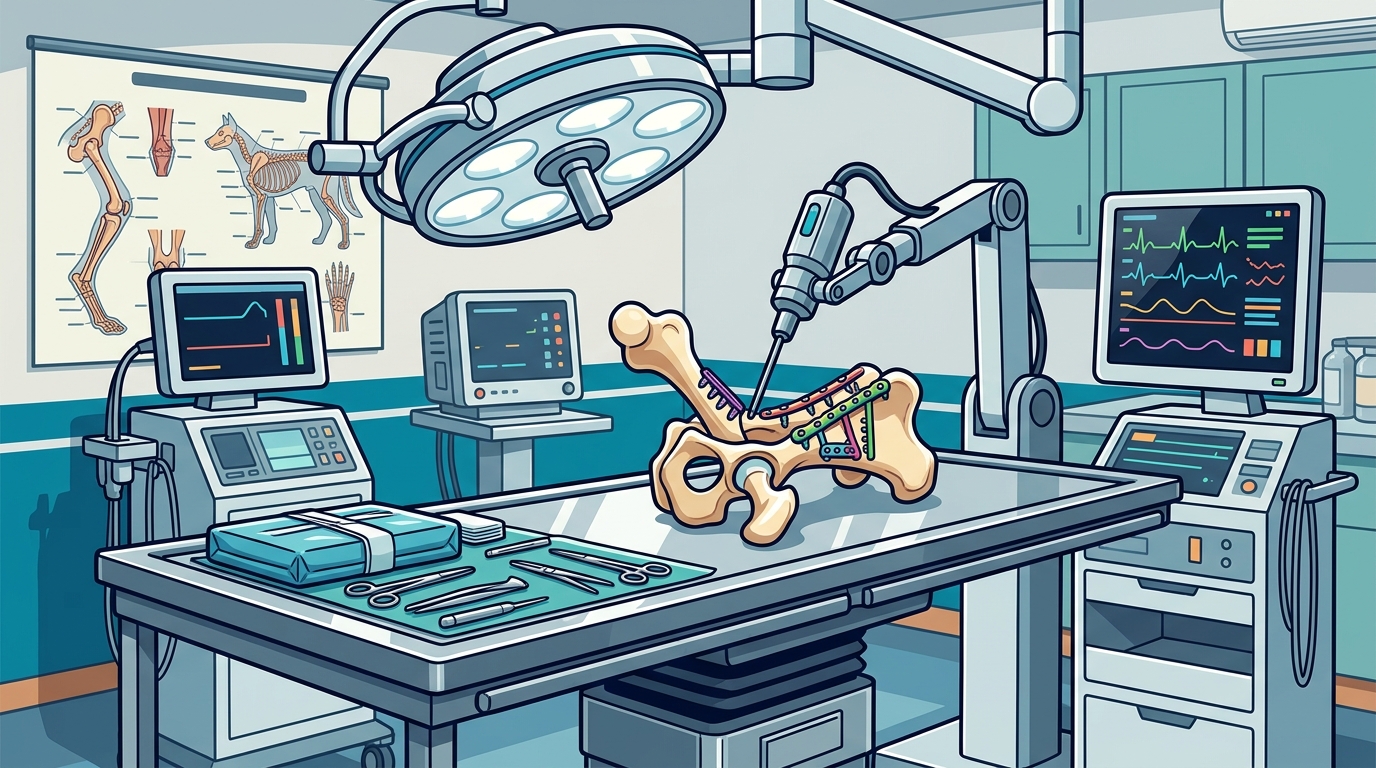
Specialty veterinary care has evolved into a critical component of modern pet health management. According to recent industry data, the demand for board-certified veterinary surgeons has grown significantly, with many referring general practitioners now prioritizing specialist referrals for complex cases to ensure optimal patient outcomes. This shift reflects a broader understanding that specialized surgical intervention often yields higher success rates and faster recovery times compared to general practice surgery. For pet owners, navigating this landscape requires clear knowledge of when general care is sufficient and when advanced surgical expertise is non-negotiable. (Board Certified Veterinary Surgery)
Orthopedic and Neurologic Complexities
Orthopedic conditions represent one of the most common reasons for specialist referral. Injuries such as cranial cruciate ligament (CCL) tears, which are functionally equivalent to the human ACL, require precise surgical correction to restore joint stability. Orthopedic Surgery at a specialized center involves advanced techniques like Tibial Plateau Leveling Osteotomy (TPLO) or Total Knee Replacement. These procedures demand a level of technical precision that goes beyond standard general practice capabilities. (FAQs mdash VSx Veterinary)
Neurologic issues present an even higher stakes scenario. Spinal cord compression, intervertebral disc disease, or traumatic injuries to the nervous system require immediate and accurate diagnosis. Delayed intervention in neurologic cases can lead to permanent paralysis. Board-certified surgeons utilize specialized diagnostic imaging to map these conditions accurately before making surgical incisions. (VSx Veterinary Surgery)
When a pet exhibits non-weight-bearing lameness, loss of coordination, or severe pain during movement, immediate consultation with a specialist is often the most prudent path. The difference between a successful recovery and chronic disability often hinges on the surgeon's ability to navigate complex anatomical structures with specialized tools.
Soft Tissue and Oncological Needs
Soft tissue surgery encompasses a wide range of procedures, from tumor removals to reconstructive surgeries for complex wounds. Unlike routine spays or neuters, oncological cases require meticulous planning to ensure clear margins and minimize recurrence. Oncological Surgery is a specialized field where surgeons focus exclusively on the removal of masses and the management of cancer in pets.
For pet owners, the diagnosis of a mass is often the beginning of a stressful journey. A board-certified surgeon provides not only technical skill but also a comprehensive treatment plan that may include chemotherapy, radiation, or further diagnostic imaging. The collaborative care model ensures that the pet receives holistic support throughout the entire process.
Reconstructive surgeries, such as those required for severe bite wounds or degloving injuries, also fall under this category. These procedures often involve skin grafts, flap surgeries, and complex wound management. The expertise required to restore function and appearance in these cases is best found in a dedicated surgical facility.
Diagnostic Precision and Imaging
Accurate diagnosis is the cornerstone of successful surgery. General practitioners often rely on basic digital X-rays, which provide a two-dimensional view of complex three-dimensional structures. In contrast, specialized centers like VSx offer Outpatient CT Scans and advanced diagnostic imaging services. These technologies allow surgeons to visualize fractures, tumors, and spinal issues with unprecedented clarity.
The ability to perform CT scans on an outpatient basis is a significant advantage for pet owners. It eliminates the need for hospitalization solely for diagnostic purposes, reducing stress on the animal and costs for the owner. This technology enables surgeons to plan procedures with exact measurements, leading to more predictable outcomes and fewer complications.
Diagnostic imaging is not just about seeing the problem; it is about understanding the spatial relationships between nerves, blood vessels, and bones. This level of detail is critical for surgeries involving the spine, skull, or complex joint structures. Without this precision, the risk of iatrogenic injury increases significantly.
Understanding Surgeon Credentials
Not all veterinarians who perform surgery are equal in their training or experience. A board-certified veterinary surgeon is a veterinarian who has completed an internship and a three to four year surgical residency. They have also passed rigorous certification exams administered by the American College of Veterinary Surgeons (ACVS). This title, known as a Diplomate of the ACVS, signifies a high level of expertise and commitment to the field.
The average experience of board-certified surgeons is substantial, often exceeding 15 years of dedicated surgical practice. This experience translates to a higher volume of complex cases handled, which directly correlates with improved surgical outcomes. General practitioners, while skilled in routine procedures, may not have the same depth of experience with rare or complex conditions.
Choosing a surgeon who is board-certified ensures that your pet is in the hands of a specialist who is constantly updating their skills and knowledge. These professionals are part of a global network of surgeons who share best practices and research findings, keeping them at the forefront of veterinary medicine.
Facility Standards and Safety
The environment in which surgery is performed plays a crucial role in patient safety. Specialized surgical centers are designed with a surgery-only focus, minimizing the risk of cross-contamination from other patients. These facilities are equipped with state-of-the-art diagnostic and surgical equipment, including advanced anesthesia monitoring and pain management systems.
VSx, for example, operates with a mission to be the most trusted partner in specialty veterinary surgery. Their facilities in Chicago, Indianapolis, and Nashville are led by board-certified surgeons who prioritize exceptional outcomes. The surgeon-owned and led model ensures that the quality of care is directly tied to the professional reputation of the surgeons involved.
Pain management is another critical aspect of facility standards. Board-certified surgeons are experts in anesthetic and pain management protocols, ensuring that pets remain comfortable and safe throughout the surgical process. This attention to detail reduces recovery time and improves the overall quality of life for the pet post-surgery.
Key Takeaways
- Specialist Expertise: Board-certified surgeons have completed 3-4 years of residency and rigorous certification, offering expertise in complex orthopedic and soft tissue cases.
- Advanced Imaging: Access to outpatient CT scans and digital X-rays allows for precise diagnosis and surgical planning, reducing the need for exploratory surgery.
- Orthopedic Precision: Procedures like TPLO for CCL tears require specialized skills to restore joint stability and prevent chronic arthritis.
- Oncological Care: Specialized oncological surgery ensures clear margins for tumor removal, improving long-term survival rates for pets with cancer.
- Surgeon Ownership: VSx is surgeon-owned and led, ensuring that clinical decisions are driven by medical expertise rather than corporate metrics.
- Geographic Access: With locations in Chicago, Indianapolis, and Nashville, VSx provides accessible high-quality surgical care across key regions.
- Collaborative Model: VSx works closely with referring general practitioners to ensure seamless communication and continuity of care for the pet.
Frequently Asked Questions
What is the difference between a general veterinarian and a board-certified surgeon?
A general veterinarian is trained to perform routine surgeries like spays, neuters, and mass removals. A board-certified surgeon has completed additional years of specialized residency training and certification through the ACVS, focusing exclusively on complex surgical cases.
When should I refer my pet to a specialist?
You should consider referral for complex orthopedic injuries, neurologic issues, suspected cancer, or when a general practitioner recommends specialized care. Early referral can often lead to better outcomes and faster recovery.
Does VSx offer CT scans?
Yes, VSx offers outpatient CT scans. This advanced imaging technology allows for accurate diagnosis of complex conditions without the need for hospitalization.
What is a TPLO surgery?
TPLO (Tibial Plateau Leveling Osteotomy) is a surgical procedure used to treat cranial cruciate ligament (CCL) tears in dogs. It stabilizes the knee joint by altering the angle of the tibia, eliminating the need for the ligament to prevent forward sliding of the tibia.
How do I book an appointment at VSx?
You can book an appointment by contacting the VSx location nearest to you. They accept referrals from general practitioners and can also work directly with pet owners in many cases. Visit their Locations & Contact page for more details.
Are VSx surgeons board-certified?
Yes, all surgeons at VSx are board-certified by the American College of Veterinary Surgeons (ACVS). This ensures that your pet is receiving care from a specialist with extensive training and experience.
What areas does VSx serve?
VSx serves communities in Chicago, Illinois; Indianapolis, Indiana; and Nashville, Tennessee. Each location is equipped with state-of-the-art surgical facilities and staffed by experienced board-certified surgeons.
Contact VSx
If you suspect your pet needs specialized surgical care, do not wait. Early intervention is critical for complex conditions. VSx is dedicated to providing the highest standard of surgical care and outcomes for your pet. Contact your local VSx facility today to schedule a consultation or discuss a referral with your general practitioner.
Visit VSx Veterinary Surgery to learn more about our services, meet our surgeons, and find the location nearest to you.