
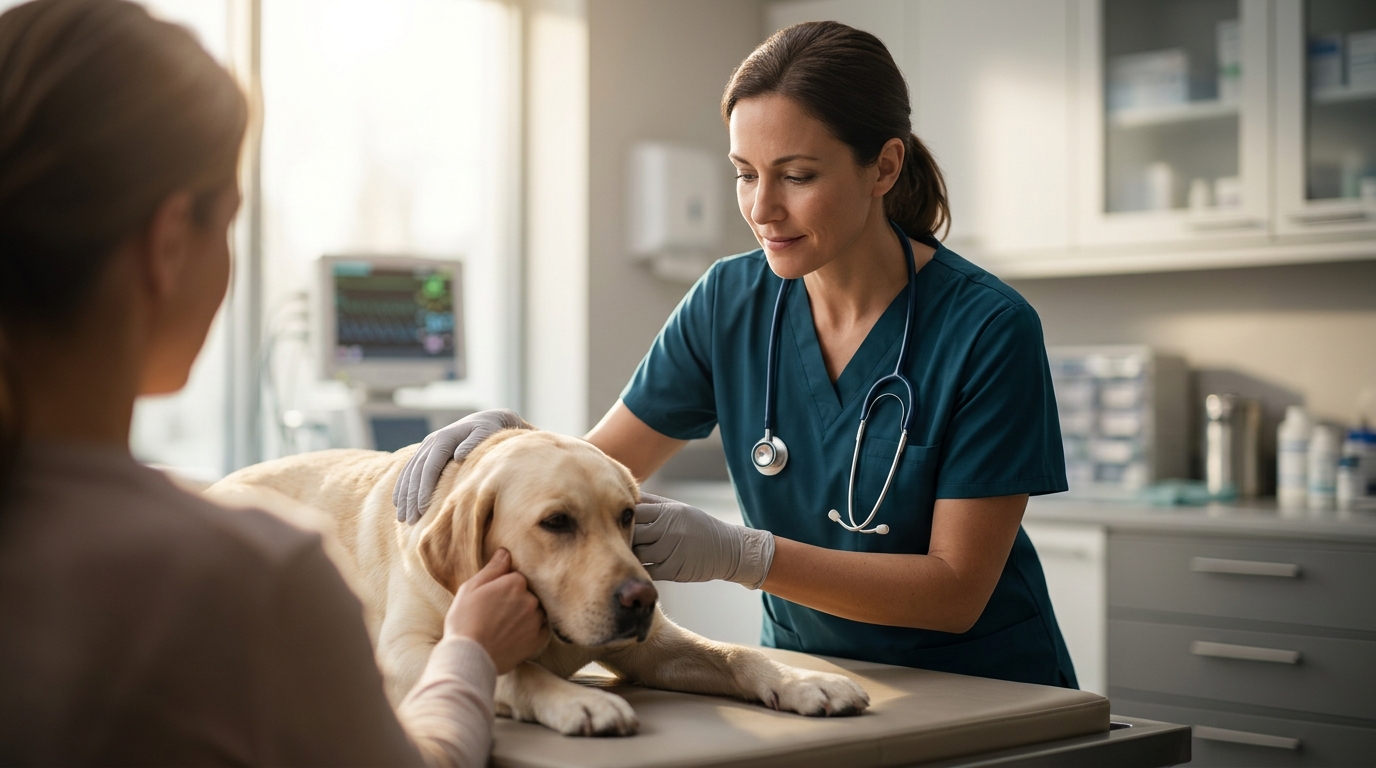
Complex medical conditions in pets require more than general care. According to recent industry data, the prevalence of orthopedic and oncological diseases in companion animals has risen significantly, with millions of pets requiring specialized intervention annually. This statistic highlights the critical need for advanced surgical expertise in modern veterinary medicine. When your pet faces a diagnosis that extends beyond routine procedures, understanding the value of specialized care becomes essential for their long-term health and quality of life.
Understanding Specialty Veterinary Care
Veterinary medicine has evolved into a highly specialized field. Just as human medicine relies on cardiologists and orthopedists, pet medicine depends on board-certified surgeons for complex cases. General practitioners provide excellent primary care, but they often refer patients to specialists when a condition requires advanced training or technology. (FAQs mdash VSx Veterinary)
Specialty surgical centers focus exclusively on surgical procedures. This focused model allows for streamlined workflows, dedicated surgical teams, and state-of-the-art equipment that might not be available in a general practice. At VSx Veterinary Surgery, the mission is to be the most trusted partner for referring veterinarians and the communities they serve. This partnership ensures that pets receive seamless care from diagnosis through recovery.
The quality of a practice is often dependent on the expertise of its surgeons. VSx partners with board-certified surgeons of the highest caliber to create surgical centers that are integral to local communities. This model prioritizes independent ownership and direct surgeon involvement, which correlates with higher standards of care and better patient outcomes.
What Board Certification Means
Not all veterinarians who perform surgery are equal. The distinction lies in board certification. A board-certified veterinary surgeon is a veterinarian who has completed years of extra, specialized training after veterinary school. This rigorous path ensures that the surgeon has mastered complex procedures and advanced techniques.
To earn this title, a veterinarian must complete an internship and a three to four year surgical residency. During this time, they accumulate thousands of hours working alongside experienced surgeons. Finally, they must pass a rigorous certification through the American College of Veterinary Surgeons (ACVS). Only after this process can they be called a Diplomate of the ACVS.
This certification is a mark of excellence. It signifies that the surgeon has met the highest standards of education, training, and ethical practice. When you choose a board-certified surgeon, you are choosing a professional whose entire career is devoted to surgery. This dedication is crucial for pets facing complex medical challenges.
At VSx, every surgeon is board-certified with an average experience of 15 years. This depth of experience ensures that your pet is in capable hands. The surgeons at VSx Chicago and VSx Indianapolis are leaders in their field, bringing decades of combined expertise to every case.
Orthopedic Surgery Indications
Orthopedic conditions are among the most common reasons for surgical referral. These conditions affect the bones, joints, and ligaments, causing pain and mobility issues. Early intervention is often key to restoring function and preventing long-term damage.
One of the most frequent orthopedic procedures is the TPLO, or Tibial Plateau Leveling Osteotomy. This surgery is designed to stabilize the knee joint in dogs with cranial cruciate ligament tears. The procedure involves cutting the tibia and rotating it to change the angle of the plateau, which stabilizes the joint without the need for a graft. Orthopedic surgery at VSx includes precision techniques to restore mobility and reduce pain.
Advanced fracture repairs are another critical area. Complex fractures require specialized implants and surgical planning to ensure proper alignment and healing. General practitioners may refer these cases to specialists due to the technical difficulty and the need for advanced imaging.
Other orthopedic indications include elbow dysplasia, hip dysplasia, and angular limb deformities. Each condition requires a tailored surgical approach. The orthopedic team at VSx offers expertise in these areas, ensuring that pets receive the best chance for a full recovery. The goal is not just to fix the bone, but to restore the pet's quality of life.
Soft Tissue and Oncological Needs
Soft tissue surgery encompasses a wide range of procedures involving organs, muscles, and skin. These surgeries are often more complex than orthopedic procedures due to the delicate nature of the tissues involved. Oncological surgery is a specialized subset of soft tissue surgery that focuses on tumor removal.
Oncological surgery requires a deep understanding of cancer biology and surgical margins. The goal is to remove the tumor completely while preserving as much healthy tissue as possible. This approach minimizes the risk of recurrence and improves the pet's prognosis. The team at VSx offers specialized oncological procedures to help manage and treat cancer in pets with care and compassion.
Other soft tissue procedures include tumor removals, reconstructive surgeries, and gastrointestinal surgeries. These cases often require advanced anesthetic protocols and pain management strategies. VSx provides expert anesthetic and pain management for comfort and safety. The surgical teams are trained to handle complex cases with precision and care.
Collaborative care is essential in oncological cases. VSx works closely with referring general practice veterinarians, emergency specialists, and other oncologists to develop comprehensive treatment plans. This collaborative approach ensures that every aspect of the pet's health is considered. The result is a higher standard of surgical care and better outcomes for patients.

The Role of Advanced Diagnostics
Accurate diagnosis is the foundation of successful surgery. Advanced diagnostic imaging plays a crucial role in surgical planning. VSx offers comprehensive imaging services, including digital X-ray, to ensure the full picture is understood before surgery.
Outpatient CT scans are a significant advantage for complex cases. CT technology allows for detailed three-dimensional imaging of bones and soft tissues. This level of detail is invaluable for planning orthopedic and oncological surgeries. The advanced CT scanning technology at VSx allows for quick, accurate diagnoses without the need for hospitalization.
State-of-the-art diagnostic and surgical equipment is a hallmark of specialty centers. This equipment enables surgeons to perform minimally invasive procedures when possible. Minimally invasive techniques reduce recovery time and improve patient comfort. The focus on delivering exceptional outcomes drives the investment in the latest medical technology.
Diagnostic imaging also helps in monitoring post-surgical recovery. Regular follow-up imaging ensures that healing is progressing as expected. This proactive approach allows for early intervention if complications arise. The commitment to exceptional value for patients and pet owners is reflected in this comprehensive care model.
Comparing General vs. Specialty Care
Understanding the differences between general and specialty care helps pet owners make informed decisions. General practitioners are skilled in routine procedures like spays, neuters, and minor mass removals. However, complex cases require a different level of expertise.
| Feature | General Practice | Specialty Surgery (VSx) |
|---|---|---|
| Surgeon Training | Veterinary Degree | Board-Certified + Residency |
| Focus | General Health | Surgical Excellence |
| Equipment | Standard | State-of-the-Art CT/X-Ray |
| Complexity | Routine Procedures | Orthopedic & Oncological |
| Collaboration | Limited | Multi-Specialist Team |
The table above illustrates the key differences. Specialty centers like VSx are equipped to handle the most challenging cases. The surgeons have years of hands-on surgical experience, performing surgery every single day. This daily practice maintains and sharpens their skills, which is vital for complex procedures.
Choosing a specialist also means accessing a network of experts. VSx collaborates with referring general practice, emergency, and other specialist veterinarians. This network ensures that pets receive holistic care. The communication between the specialist and the primary veterinarian is clear and consistent, keeping pet owners well-informed throughout the process.
Key Takeaways
- Board Certification is Critical: Only surgeons certified by the ACVS have completed the rigorous residency and examination process required for specialty care.
- Experience Matters: VSx surgeons have an average of 15 years of experience, ensuring high proficiency in complex procedures.
- Advanced Technology: Access to outpatient CT scans and digital X-ray improves diagnostic accuracy and surgical planning.
- Specialized Focus: Orthopedic and oncological surgeries require dedicated expertise that general practitioners may not possess.
- Collaborative Care: VSx works closely with referring veterinarians to ensure seamless and comprehensive pet care.
- Surgeon Ownership: The surgeon-owned model at VSx prioritizes quality and patient outcomes over volume.
- Locations: VSx serves communities in Chicago, Indianapolis, and Nashville with state-of-the-art facilities.
Frequently Asked Questions
What is the difference between a general veterinarian and a board-certified surgeon?
A general veterinarian provides primary care and performs routine surgeries. A board-certified surgeon has completed additional residency training and certification through the ACVS, specializing in complex orthopedic and soft tissue procedures.
When should I refer my pet to a surgical specialist?
Referral is recommended for complex fractures, cruciate ligament tears, tumors, and other conditions requiring advanced imaging or specialized surgical techniques. Your general vet can guide you on the best course of action.
Does VSx offer emergency surgery?
VSx focuses on scheduled specialty surgeries. For emergencies, your general veterinarian or a local emergency clinic can provide immediate stabilization before referral if necessary.
How do I book an appointment at VSx?
Appointments can be booked through the VSx website or by contacting the specific location directly. Referrals from general veterinarians are common and highly valued.
What areas does VSx serve?
VSx has locations in Chicago, Illinois; Indianapolis, Indiana; and Nashville, Tennessee. Each facility is equipped with state-of-the-art surgical and diagnostic technology.
Is anesthesia safe for my pet?
VSx provides expert anesthetic and pain management protocols tailored to each patient. The surgical teams monitor pets closely throughout the procedure to ensure safety and comfort.
What is a TPLO surgery?
A TPLO (Tibial Plateau Leveling Osteotomy) is a surgical procedure used to stabilize the knee joint in dogs with cranial cruciate ligament tears. It is a common orthopedic procedure performed at VSx.
Contact VSx Veterinary Surgery
If your pet requires specialized surgical care, trust the experts at VSx. With board-certified surgeons, state-of-the-art technology, and a commitment to exceptional outcomes, VSx is your trusted surgery partner. Contact us today to learn more about our services or to schedule a consultation.
VSx Chicago | VSx Indianapolis | VSx Nashville