
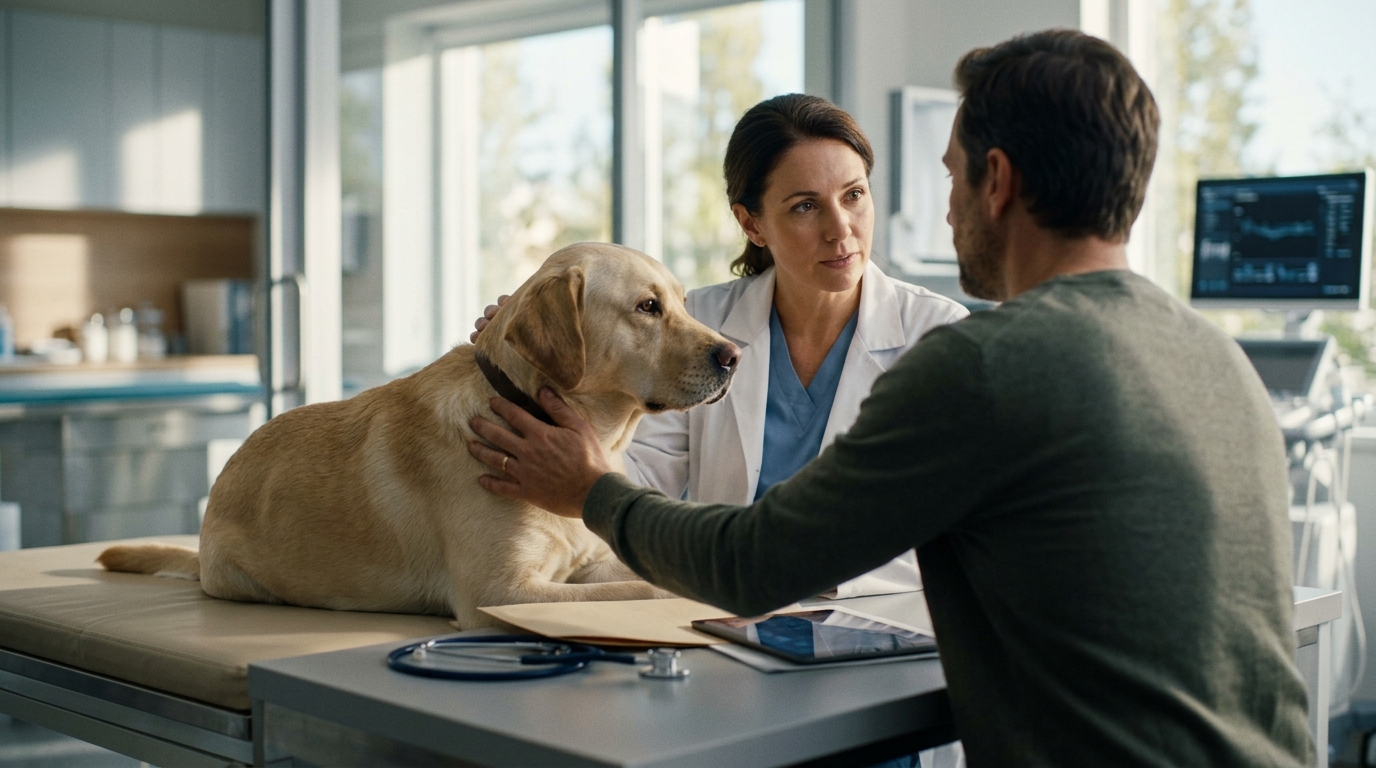
Deciding whether to keep your pet in the hands of their primary care provider or refer them to a specialist is one of the most critical choices a pet owner faces. According to recent veterinary industry data, approximately 30% of companion animals require some form of surgical intervention during their lifetime, yet many owners delay referral due to uncertainty about the necessity of specialized care. This hesitation can impact recovery times and long-term health outcomes. Understanding the distinct roles of general practitioners and board-certified surgeons ensures your pet receives the precise level of expertise required for their specific condition.
Understanding the Difference in Training
The fundamental distinction between a general veterinarian and a surgical specialist lies in the depth and duration of their specialized training. A general veterinarian is trained to handle routine procedures, including spays, neuters, and basic mass removals. They serve as the first line of defense for your pet's health, managing vaccinations, chronic conditions, and initial diagnostics.
In contrast, a board-certified veterinary surgeon undergoes a rigorous, multi-year residency program after veterinary school. This training involves thousands of hours working alongside experienced surgeons, focusing exclusively on complex surgical techniques. To earn the title of Diplomate of the American College of Veterinary Surgeons (ACVS), a surgeon must pass a comprehensive certification exam. This process ensures that only those with the highest caliber of skill and knowledge can practice as specialists.
For routine cases, your trusted primary veterinarian is often the perfect choice. But for more complex needs, a board-certified veterinary surgeon brings the highest level of skill, training, and support. This specialized focus allows them to manage difficult cases with precision that general practitioners may not have the time or specialized equipment to provide. You can learn more about the rigorous path to becoming a specialist by visiting the ACVS certification requirements.
When Orthopedic or Neurologic Issues Arise
Orthopedic conditions represent one of the most common reasons for referral to a surgical specialist. Conditions such as cranial cruciate ligament (CCL) tears, hip dysplasia, and complex fractures require precise surgical correction to restore mobility and prevent long-term arthritis. General veterinarians may manage pain and initial stabilization, but definitive surgical repair often requires specialized expertise.
Procedures like Tibial Plateau Leveling Osteotomy (TPLO) are highly technical. They require an understanding of biomechanics and advanced instrumentation to ensure proper alignment and stability. The precision involved in these surgeries directly correlates with the success rate of the procedure and the pet's return to normal activity levels. According to veterinary orthopedic studies, specialized surgical intervention significantly reduces the risk of post-operative complications compared to non-specialized approaches.
Neurologic issues, such as intervertebral disc disease (IVDD), present another critical area where specialization matters. Spinal surgery requires delicate handling of neural tissue and advanced monitoring capabilities. A specialist's ability to perform decompressive surgeries with minimal trauma to the spinal cord can mean the difference between full recovery and permanent paralysis. For pets with these conditions, seeking a specialized orthopedic evaluation is often the most prudent step.
Soft Tissue and Oncological Complexities
Soft tissue surgery encompasses a wide range of procedures, from tumor removals to reconstructive surgeries for wounds or defects. While general veterinarians can remove superficial masses, deeper or more complex tumors often require specialized oncological surgery. These procedures involve wide surgical margins to ensure complete removal of cancerous cells, which is critical for preventing recurrence.
Oncological surgery is not just about removing the mass; it is about understanding the biology of the tumor and its potential to spread. Specialists are trained to perform complex reconstructions, such as jaw or limb salvage procedures, which preserve function and quality of life. The compassionate care provided during these difficult times is also a hallmark of specialized practices, where teams are dedicated to managing pain and anxiety effectively.
Furthermore, the integration of advanced diagnostic tools allows specialists to stage cancers more accurately. This staging process determines the best course of action, whether it be surgery, radiation, or chemotherapy. By collaborating with referring general practice and emergency veterinarians, specialists ensure a cohesive care plan. This collaborative approach is essential for managing complex oncological cases, as noted in veterinary practice management literature.
The Role of Advanced Diagnostic Imaging
One of the significant advantages of consulting a surgical specialist is access to state-of-the-art diagnostic equipment. General practices may have digital X-rays, but specialists often have access to advanced imaging modalities like CT scans. These tools provide a three-dimensional view of complex anatomical structures, allowing for more accurate diagnosis and surgical planning.
Outpatient CT scans, for example, allow for quick and accurate diagnoses for complex cases without the need for hospitalization. This technology is particularly valuable in neurology and orthopedics, where subtle bone fractures or soft tissue abnormalities might be missed on standard X-rays. The ability to visualize the full picture before surgery reduces the risk of unexpected findings during the procedure.
This diagnostic precision leads to faster, more accurate surgical solutions designed for the best outcomes. It also minimizes the need for exploratory surgeries, which can increase recovery time and cost. For pet owners in Chicago, accessing advanced diagnostic imaging in Chicago provides a clear advantage in treating complex conditions. Similarly, those in Indiana can benefit from specialized imaging services in Indianapolis.
Comparison of Care Models
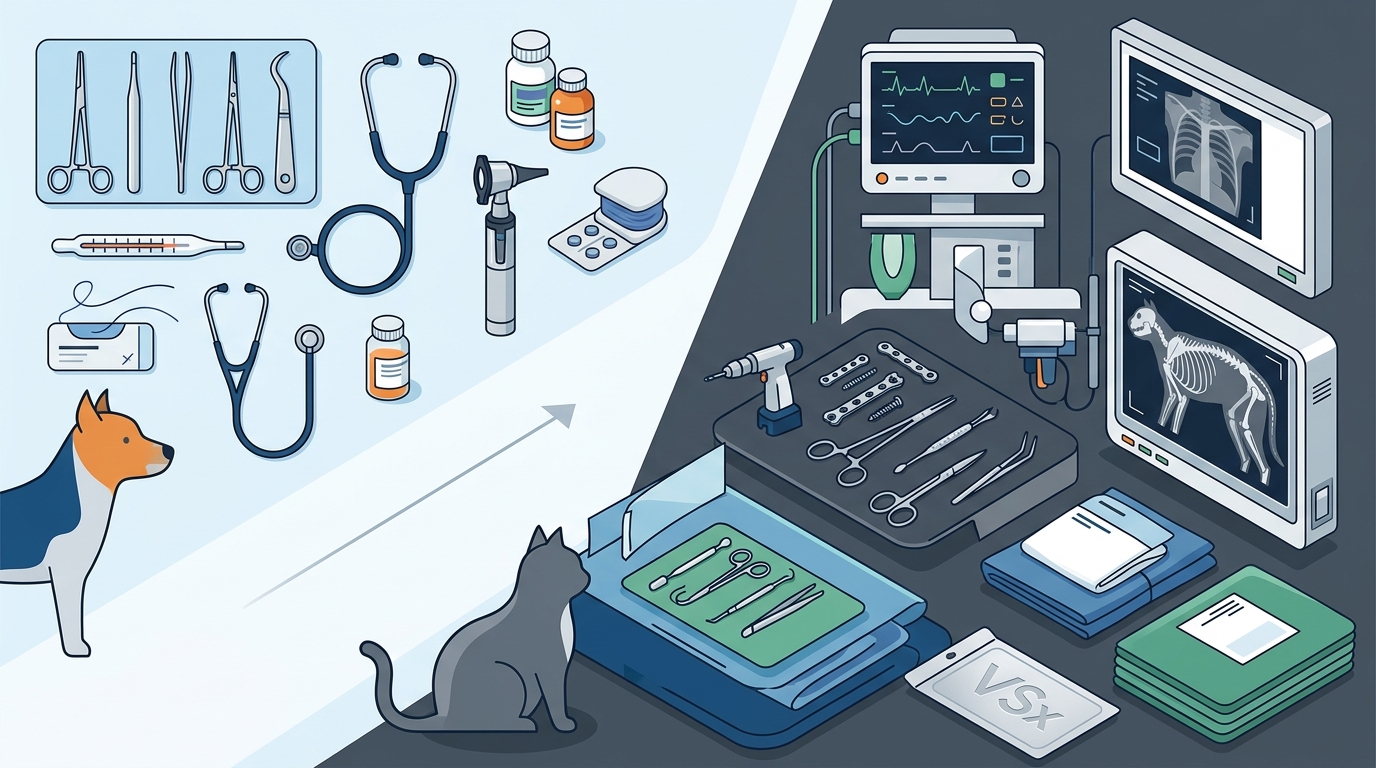
To help you make an informed decision, here is a comparison of the key differences between general veterinary care and specialized surgical care.
| Feature | General Veterinarian | Board-Certified Surgical Specialist |
|---|---|---|
| Primary Focus | Routine care, vaccinations, minor surgeries | Complex surgical procedures and diagnostics |
| Training | Veterinary degree and general practice | Residency and ACVS board certification |
| Equipment | Standard digital X-ray, basic ultrasound | CT scans, advanced orthopedic instrumentation |
| Case Complexity | Low to moderate | High to critical |
| Collaboration | Refers complex cases to specialists | Works with GPs for comprehensive care |
This table highlights the complementary nature of these roles. General veterinarians are essential for ongoing health management, while specialists provide the deep expertise needed for complex interventions. The decision to refer is often based on the complexity of the condition and the potential benefits of specialized care.
Key Takeaways
- Specialized Training: Board-certified surgeons have completed a 3-4 year residency and rigorous certification, distinguishing them from general practitioners.
- Orthopedic Precision: Complex orthopedic procedures like TPLO require specialized skills to ensure proper alignment and long-term mobility.
- Oncological Expertise: Specialized oncological surgery focuses on wide margins and reconstruction to improve cancer outcomes and quality of life.
- Advanced Diagnostics: Access to outpatient CT scans and advanced imaging allows for more accurate diagnosis and surgical planning.
- Collaborative Care: Specialists work closely with referring veterinarians to ensure a seamless and comprehensive care plan for your pet.
- Experience Matters: VSx surgeons have an average of 15 years of experience, providing a high level of confidence in complex cases.
- Location Accessibility: VSx operates in Chicago, Indianapolis, and Nashville, making specialized care accessible to more pet owners.
Frequently Asked Questions
When should I refer my pet to a surgical specialist?
You should consider referral if your pet has a complex orthopedic injury, a deep or suspicious mass, a neurologic condition, or if your general veterinarian recommends specialized care for a difficult procedure.
What is the difference between a general vet and a surgeon?
A general veterinarian handles routine care and minor surgeries, while a board-certified surgeon has completed additional years of specialized training and focuses exclusively on complex surgical cases.
Do I need a referral to see a specialist?
While many specialists appreciate a referral from your primary vet to coordinate care, you can often contact a surgical practice directly to schedule an evaluation for your pet.
What types of surgeries do specialists perform?
Specialists perform orthopedic surgeries like TPLO, soft tissue surgeries like tumor removals, oncological procedures, and complex reconstructive surgeries that require advanced expertise.
How does advanced imaging help my pet?
Advanced imaging like CT scans provides detailed 3D views of bones and soft tissues, allowing for more accurate diagnosis and precise surgical planning, which can improve outcomes.
Are board-certified surgeons more expensive?
Specialized care may have different cost structures, but the precision and expertise often lead to better long-term outcomes, potentially reducing the need for additional procedures or complications.
What should I expect during a consultation?
During a consultation, the specialist will review your pet's history, perform a physical exam, and discuss diagnostic options and treatment plans, ensuring you are fully informed about the surgical process.
Can a general vet perform any surgery?
General vets can perform routine surgeries like spays and neuters, but complex or delicate procedures are best handled by specialists with advanced training and equipment.
Contact VSx Veterinary Surgery
If you are facing a complex surgical decision for your pet, do not hesitate to seek the expertise of a board-certified specialist. VSx Veterinary Surgery is dedicated to being the most trusted partner for specialty veterinary surgery, providing exceptional value for patients, pet owners, and referring veterinarians. Our team of highly experienced surgeons is ready to provide the advanced care your pet deserves.
Whether you are in Chicago, Indianapolis, or Nashville, we are here to help. Explore our locations to find the nearest facility. For more information about our services and pricing, visit our services page. To schedule an appointment, please contact VSx today and take the next step toward your pet's optimal health.