
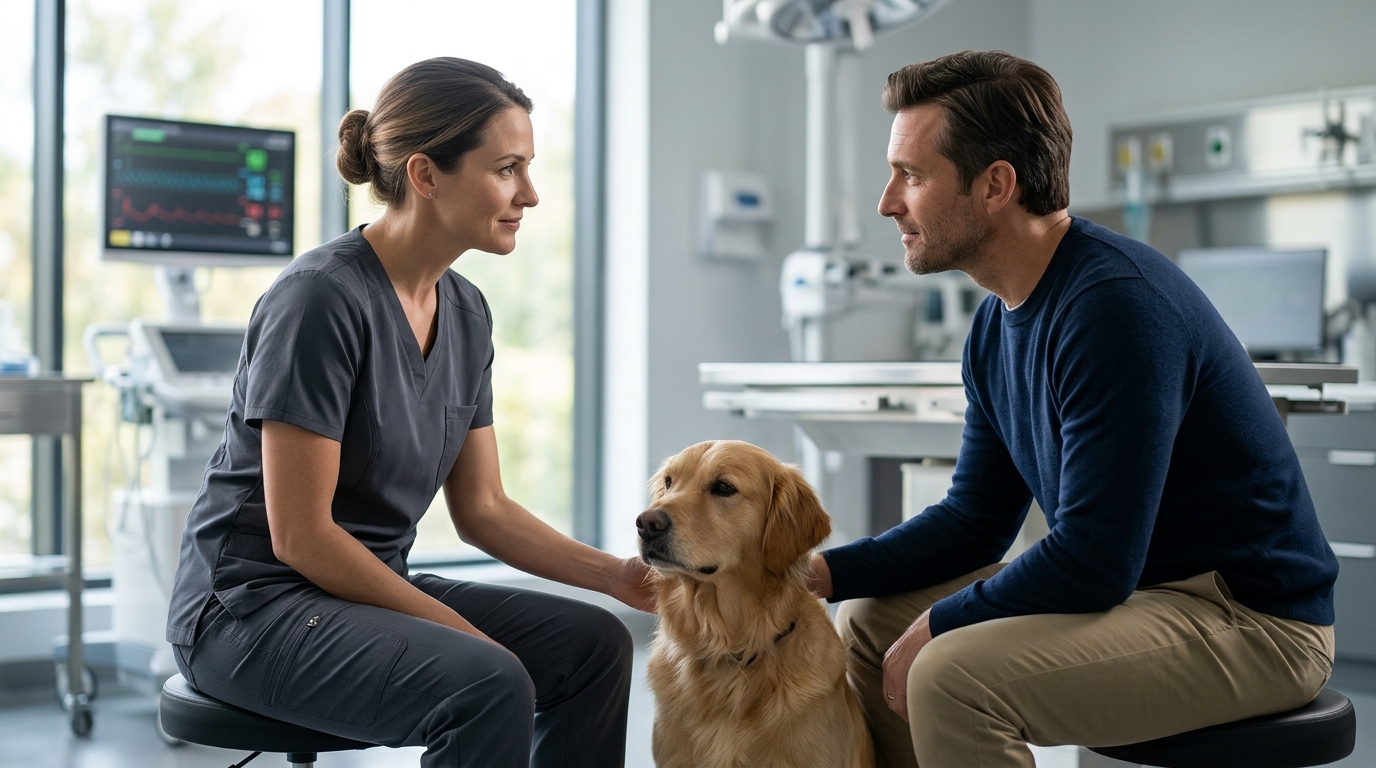
Choosing the right surgical care for your pet is one of the most critical decisions a pet owner can make. While general practitioners handle routine procedures with ease, complex cases demand a higher level of specialization. According to recent industry data, the referral rate for complex orthopedic and soft tissue surgeries has increased significantly as pet owners seek advanced diagnostic capabilities and specialized outcomes. Understanding the distinct roles of a general veterinarian versus a board-certified veterinary surgeon ensures your pet receives the precise level of care required for their specific condition. (Board Certified Veterinary Surgery)
Defining the Roles
To make an informed decision, it is essential to understand the fundamental differences in professional designation. A general veterinarian is a licensed medical professional who provides comprehensive care for pets, including wellness exams, vaccinations, and routine surgeries. In contrast, a board-certified veterinary surgeon is a specialist who has completed extensive additional training beyond veterinary school. (FAQs mdash VSx Veterinary)
Board-certified veterinary surgeon is a veterinarian who has completed a rigorous residency and passed a national certification exam. This distinction is not merely a title but a verified standard of expertise. VSx operates on the principle that the quality of surgical practice depends on independent, surgeon-led ownership. This model ensures that the highest standards of care are maintained without compromise.
At VSx, our mission is to be the most trusted partner for specialty veterinary surgery. We expand access to board-certified surgeons while delivering the highest standard of surgical care. This commitment is reflected in our team, where every surgeon is board-certified with an average experience of 15 years.
Qualifications and Training
The path to becoming a specialist is long and demanding. General veterinarians complete four years of veterinary school to earn their DVM or VMD degree. They are fully qualified to perform routine procedures such as spays, neuters, and minor mass removals. However, the complexity of modern veterinary medicine has created a need for deeper specialization.
Board-certified surgeon is a veterinarian who has dedicated their entire career to surgery. To earn this designation, a veterinarian must complete an internship followed by a three to four year surgical residency. During this time, they perform thousands of hours of work alongside experienced surgeons. Finally, they must pass a rigorous certification process through the American College of Veterinary Surgeons (ACVS).
Only after this extensive process can they be called a Diplomate of the ACVS. This credential signifies that the surgeon has met the highest national standards for knowledge and skill. At VSx, our surgeons, including Dr. Marc Wosar and Dr. Brian Martin, bring decades of combined experience to every case. Dr. Wosar, for instance, has over 20 years of experience leading our Chicago facility.
Scope of Practice
Understanding the scope of practice helps pet owners and referring veterinarians determine when a referral is necessary. General practitioners are invaluable for daily health management. However, when a condition requires advanced intervention, the scope of a general vet may be exceeded.
VSx specializes in orthopedic and advanced soft tissue procedures. Our services include TPLO surgeries for cruciate ligament injuries, advanced fracture repairs, and complex tumor removals. We also provide oncological surgery to manage cancer in pets with care and compassion. These procedures require precision that goes beyond standard general practice capabilities.
Orthopedic surgery is the branch of veterinary medicine focused on the musculoskeletal system. This includes bones, joints, ligaments, tendons, and muscles. Conditions like hip dysplasia or fractured limbs often require specialized implants and techniques that only a board-certified orthopedic surgeon can provide. Similarly, soft tissue surgery involves organs and structures such as the gastrointestinal tract, urinary system, and skin.
Our team at VSx is trained to handle the most delicate operations. Whether it is a neurologic procedure or a complex cancer resection, our surgeons utilize advanced techniques to ensure the best possible outcome. We collaborate closely with referring general practice, emergency, and other specialist veterinarians to ensure seamless care.
Technology and Diagnostics
Modern veterinary surgery relies heavily on advanced technology for accurate diagnosis and safe execution. General clinics may have basic digital X-ray capabilities. However, specialty centers like VSx invest in state-of-the-art diagnostic and surgical equipment to support complex cases.
We offer comprehensive imaging services, including digital X-ray, to ensure we have the full picture before surgery. Additionally, we provide outpatient CT scans. This advanced CT scanning technology allows us to provide quick, accurate diagnoses for complex cases without the need for hospitalization. This capability is crucial for planning intricate orthopedic or oncological procedures.
The use of advanced imaging reduces surgical risks and improves recovery times. By having access to outpatient CT scans, we can map out tumor boundaries or fracture patterns with extreme precision. This level of diagnostic detail is often unavailable in general practice settings. It allows our surgeons to plan every step of the procedure in advance, leading to safer surgeries and better outcomes for your pet.
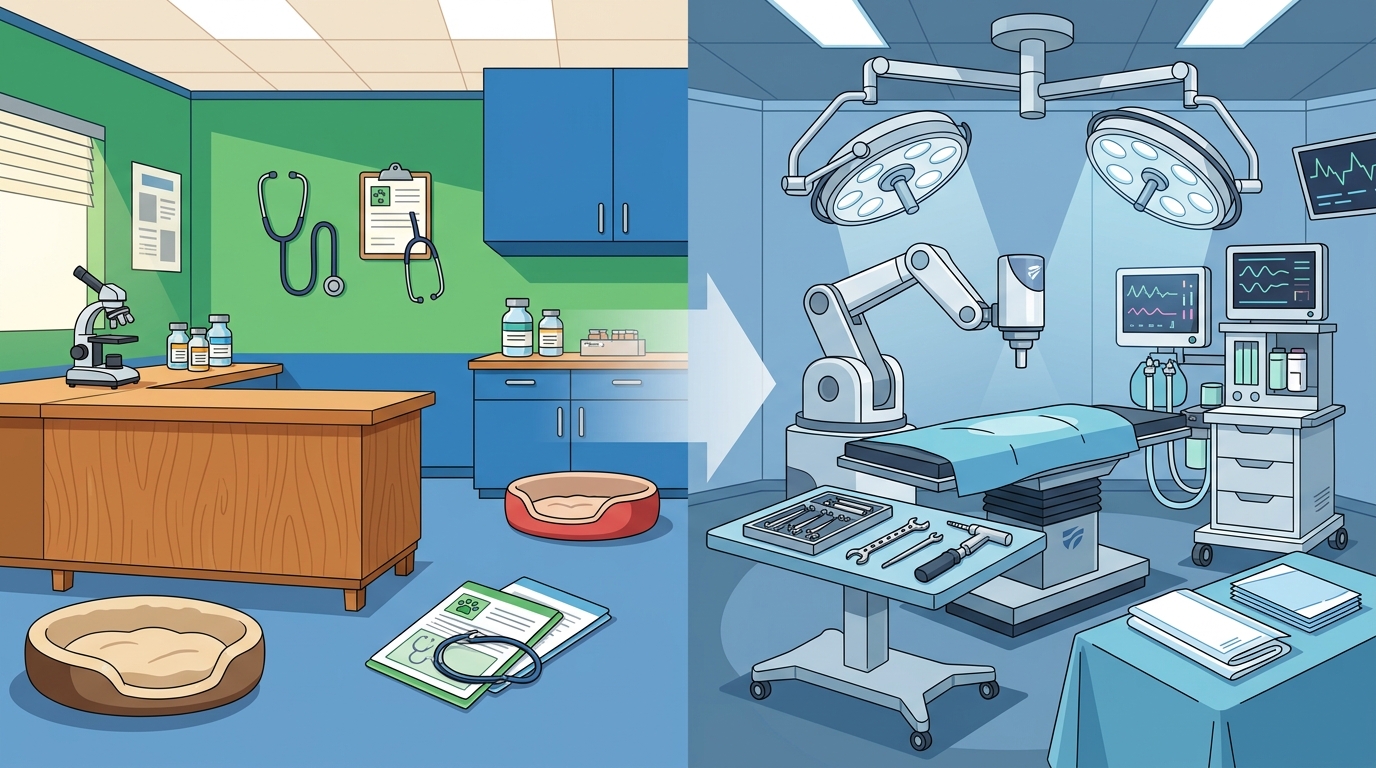
Comparison of Care Models
The following table summarizes the key differences between general veterinary care and specialty surgical care at VSx.
| Feature | General Veterinarian | VSx Board-Certified Surgeon |
|---|---|---|
| Training | Veterinary School (4 years) | Residency + Certification (3-4+ years post-DVM) |
| Focus | Comprehensive Health & Routine Care | Specialized Surgical Intervention |
| Complex Procedures | Limited to routine surgeries | TPLO, Fracture Repair, Oncology, Neurology |
| Diagnostic Tech | Standard Digital X-Ray | Digital X-Ray + Outpatient CT Scans |
| Experience | Varies by individual | Average 15+ years in specialty surgery |
Choosing a board-certified surgeon at VSx means your pet benefits from advanced expertise in complex procedures. It also means years of hands-on surgical experience, as our surgeons perform surgery every single day. This daily practice is critical for maintaining and refining surgical skills.
Key Takeaways
- Specialized Training: Board-certified surgeons complete a 3-4 year residency and rigorous certification through the ACVS, far exceeding general vet training.
- Experience Level: Every surgeon at VSx is board-certified with an average experience of 15 years, ensuring high proficiency.
- Advanced Technology: VSx offers outpatient CT scans and state-of-the-art diagnostic equipment for precise pre-surgical planning.
- Surgeon-Led Model: VSx is founded on the principal that practice quality depends on present, independent ownership by board-certified surgeons.
- Complex Care: We specialize in orthopedic, soft tissue, and oncological surgeries that require specialized skills beyond general practice.
- Collaborative Approach: We work closely with referring veterinarians to ensure seamless communication and care continuity.
- Location Access: VSx provides access to top-tier surgical care in Chicago, Indianapolis, and Nashville.
Frequently Asked Questions
What is the difference between a general vet and a board-certified surgeon?
A general veterinarian provides comprehensive care and performs routine surgeries. A board-certified surgeon has completed additional residency training and certification through the ACVS, specializing in complex surgical procedures.
When should I refer my pet to a specialist?
Referral is recommended for complex orthopedic injuries, soft tissue masses, cancer, or any condition requiring advanced diagnostic imaging like CT scans. Your general vet can help determine if a referral is necessary.
What is a Diplomate of the ACVS?
A Diplomate of the ACVS is a veterinarian who has passed the rigorous certification exam of the American College of Veterinary Surgeons, signifying the highest level of surgical expertise.
Does VSx offer emergency surgery?
VSx focuses on scheduled specialty surgeries. For emergencies, we collaborate with local emergency veterinary clinics and can often provide rapid consultation or transfer protocols.
What types of surgeries does VSx perform?
We specialize in orthopedic surgery (TPLO, fracture repair), soft tissue surgery (tumor removal, reconstructive), and oncological surgery. We also provide diagnostic imaging services.
How experienced are VSx surgeons?
Every surgeon at VSx is board-certified with an average experience of 15 years. Our team includes leaders like Dr. Marc Wosar with over 20 years of experience.
Where are VSx locations?
VSx has locations in Chicago, Illinois; Indianapolis, Indiana; and Nashville, Tennessee. Each facility is led by a board-certified surgeon.
Next Steps
If your pet requires specialized surgical care, trust the experts at VSx. Our board-certified surgeons are dedicated to providing the highest standard of surgical care and outcomes. We invite you to visit our website to learn more about our services and team. For appointments in Chicago, click here. For Indianapolis, click here. For Nashville, click here. Contact us today to schedule a consultation and give your pet the best chance for a positive outcome.