
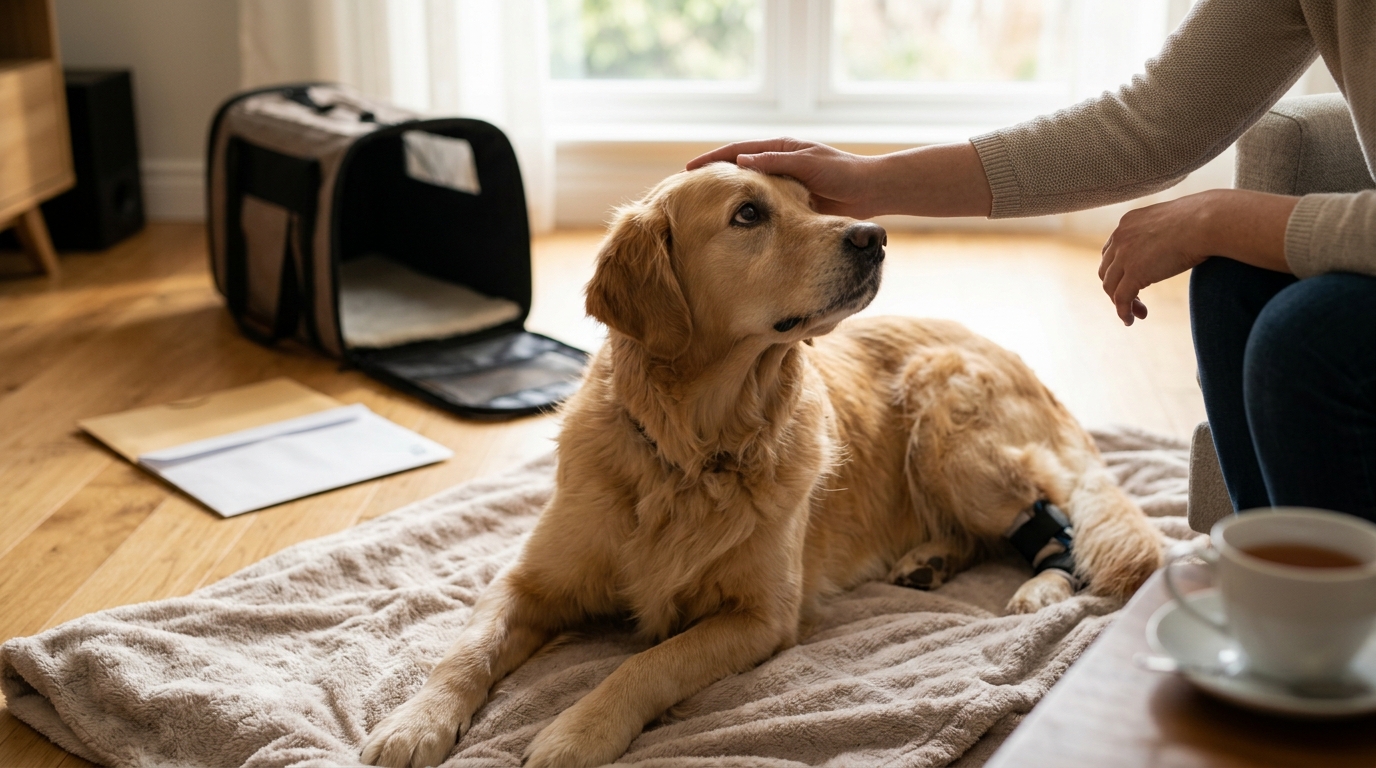
Common Pre-Surgery Mistakes for Canine ACL Repair and How to Avoid Them
Canine cruciate ligament injuries are among the most prevalent orthopedic conditions in dogs, with research indicating that over 3 million dogs in the United States are affected by cruciate disease annually. This statistic highlights the critical importance of proper preparation before your pet undergoes surgery. At VSx, we see many cases where preventable pre-surgery errors complicate recovery. Understanding these pitfalls is the first step toward ensuring a smooth surgical experience and optimal outcomes for your dog.
The Cost of Delaying Surgical Intervention
One of the most common mistakes pet owners make is delaying surgery in hopes that the injury will heal on its own. Unlike humans, dogs do not typically heal cruciate ligament tears without surgical intervention. The ligament does not have a blood supply, meaning it cannot knit back together naturally. When surgery is delayed, the dog continues to walk on the injured leg, leading to further damage.
This delay often results in secondary complications such as meniscal tears and accelerated osteoarthritis. According to veterinary orthopedic studies, every month of delay can significantly increase the risk of meniscal injury, which is a painful condition requiring additional surgical repair. By choosing a specialized center like VSx Veterinary Surgery, you ensure that your pet receives timely, expert care that minimizes long-term joint degeneration.
Ignoring Weight Management Before Surgery
Obesity is a major risk factor for cruciate ligament rupture and a significant hurdle in post-operative recovery. Many owners fail to address their dog's weight before the procedure, not realizing how critical it is for surgical success. Excess weight places additional stress on the surgical site and the contralateral (opposite) leg, which is also at high risk for rupture.
Pre-surgical weight loss can improve anesthetic safety and speed up healing. If your dog is overweight, discuss a structured weight management plan with your primary veterinarian or our team. Maintaining an ideal body condition score is not just about aesthetics; it is a medical necessity for orthopedic patients. Our surgeons at VSx prioritize patients who are optimized for surgery, as this leads to fewer complications and faster return to function.
Failing to Enforce Strict Exercise Restraint
Between the diagnosis and the surgery date, many owners struggle to keep their dogs strictly confined. Leash walking is often insufficient because dogs can still bear weight on the injured leg. The mistake here is underestimating the need for absolute rest. Any weight-bearing activity can worsen the tear or cause muscle atrophy in the quadriceps.
To avoid this, implement strict crate rest or small-room confinement until the day of surgery. Use a harness instead of a collar for leash walks to prevent neck injury and ensure the dog cannot run or jump. This discipline protects the joint structure and ensures that the surgical field is as pristine as possible. Our team at VSx Chicago provides detailed confinement guidelines to help you manage this critical period effectively.
Skipping Pre-Anesthetic Blood Work
Some owners view pre-anesthetic blood work as an unnecessary expense. This is a dangerous misconception. Blood work is essential for evaluating organ function, particularly the liver and kidneys, which process the anesthetic drugs. Without this data, your surgeon cannot safely tailor the anesthetic protocol to your dog's specific physiology.
Pre-surgical diagnostics also help identify underlying conditions such as heart murmurs or clotting disorders that could complicate surgery. At VSx, we require comprehensive pre-anesthetic testing for all patients. This standard of care ensures that our board-certified surgeons have all the information needed to keep your pet safe during anesthesia. Learn more about our diagnostic imaging and surgical services to understand the depth of our pre-operative protocols.

Choosing a Surgeon Based on Price Alone
While cost is a valid concern, choosing a veterinary surgeon solely based on the lowest price can be a costly mistake. Orthopedic surgery, such as TPLO (Tibial Plateau Leveling Osteotomy) or TTA (Tibial Tuberosity Advancement), requires specialized training, advanced equipment, and a dedicated surgical team. General practitioners may not have the specific expertise or technology required for complex cases.
Board-certified surgeons, such as those at VSx, have completed rigorous residency programs and certification through the American College of Veterinary Surgeons (ACVS). This expertise translates to higher success rates, fewer complications, and better long-term outcomes. Investing in specialized care is an investment in your dog's quality of life. Our surgeons bring an average of 15 years of experience to every case, ensuring precision and safety.
Underestimating Post-Operative Care Needs
Many owners focus entirely on the surgery day and neglect the preparation for the weeks that follow. Post-operative care is where the real work begins. Mistakes here include allowing the dog to lick the incision, skipping physical therapy, or resuming activity too soon. The surgical site must remain clean and dry, and the dog must wear an Elizabethan collar at all times.
Physical therapy is crucial for restoring muscle mass and joint mobility. Without it, dogs may develop chronic stiffness or lameness. Our team provides a detailed post-operative care plan, including pain management protocols and rehabilitation exercises. We also offer outpatient CT scans for complex cases, ensuring that we have a complete picture of your pet's anatomy before and after surgery. Proper preparation for recovery is just as important as the surgery itself.
Key Takeaways
- Timely Intervention: Delaying surgery increases the risk of meniscal tears and osteoarthritis, leading to more complex and expensive treatments later.
- Weight Management: Maintaining an ideal body condition score improves anesthetic safety and reduces stress on the surgical site and opposite leg.
- Strict Confinement: Enforce crate rest and leash-only walks to prevent further injury before the procedure date.
- Pre-Anesthetic Testing: Blood work is non-negotiable for assessing organ function and ensuring safe anesthesia protocols.
- Specialized Care: Board-certified surgeons at VSx bring advanced expertise and state-of-the-art equipment for superior outcomes.
- Post-Op Discipline: Adherence to physical therapy and activity restrictions is critical for long-term joint health and mobility.
Frequently Asked Questions
What is the average cost of canine ACL repair?
The cost varies by procedure type, location, and the complexity of the case. At VSx, we provide transparent pricing during the consultation. Our services include advanced diagnostics and specialized surgical care, which may differ in cost from general practice surgery but offer higher precision and outcomes.
How long is the recovery period after ACL surgery?
Recovery typically takes 8 to 12 weeks for initial healing, with full rehabilitation continuing for several months. Strict adherence to exercise restriction and physical therapy is essential during this time. Our team provides detailed timelines and check-ins to monitor progress.
Is TPLO or TTA better for my dog?
The choice between TPLO (Tibial Plateau Leveling Osteotomy) and TTA (Tibial Tuberosity Advancement) depends on your dog's anatomy, size, and activity level. Our board-certified surgeons evaluate each patient individually to recommend the most appropriate procedure for their specific needs.
Can I wait to see if my dog's leg heals on its own?
No. Cruciate ligaments do not heal on their own in dogs. Delaying surgery can lead to severe joint damage, meniscal tears, and chronic pain. Early intervention is the best way to preserve joint function and prevent arthritis.
What are the signs of a meniscal tear?
Signs include sudden worsening of lameness, swelling in the knee joint, and a "clicking" sound when the leg is moved. Meniscal tears are common complications of untreated cruciate injuries and often require additional surgical repair.
Do you offer emergency surgery for cruciate injuries?
While cruciate injuries are not always immediate emergencies, we prioritize cases that are causing severe pain or have complicated by meniscal tears. Contact our Chicago or Indianapolis locations to discuss your dog's urgency and schedule an evaluation.
How do I prepare my dog for anesthesia?
Follow the pre-anesthetic fasting instructions provided by our team. Ensure your dog has completed all required blood work and diagnostic imaging. A healthy pre-operative state significantly reduces the risk of anesthesia-related complications.
Schedule Your Consultation
Do not let preventable mistakes compromise your dog's health. Trust the expertise of board-certified surgeons who are dedicated to the highest standard of surgical care. Contact VSx Veterinary Surgery today to schedule a consultation and learn how we can help your pet achieve a pain-free, active life.