
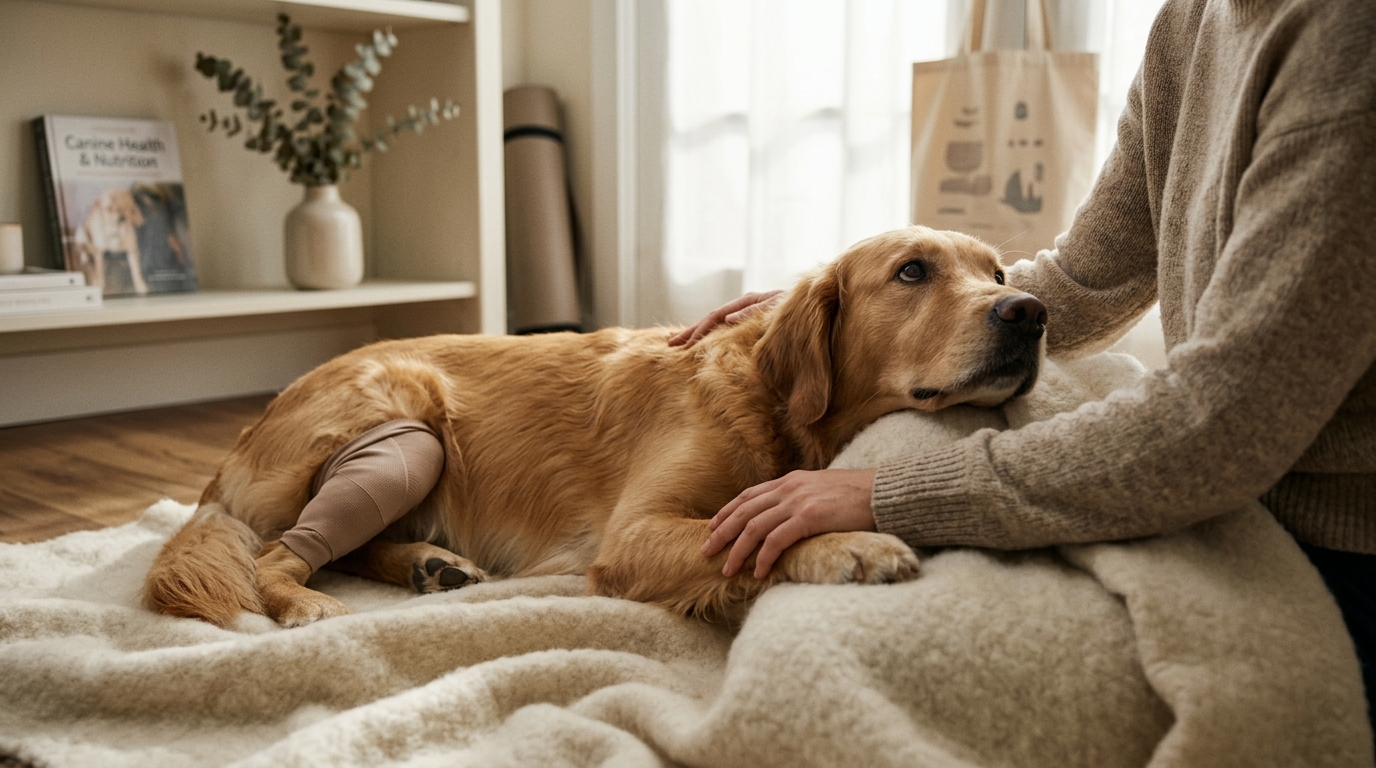
Canine cruciate ligament rupture is one of the most common orthopedic emergencies in veterinary medicine, affecting millions of dogs annually. According to recent veterinary orthopedic data, cruciate disease accounts for a significant percentage of all orthopedic conditions seen in general practice, with the cranial cruciate ligament (CCL) being the primary site of injury. Preparing your dog for ACL repair involves more than just scheduling an appointment; it requires a strategic approach to pre-surgical conditioning, dietary management, and logistical planning to ensure the safest possible outcome. At VSx, we emphasize that a well-prepared patient and owner lead to faster recovery times and superior surgical results.
Understanding the Surgical Procedure
Before diving into preparation steps, it is vital to understand what your dog is undergoing. Cruciate ligament repair is a specialized orthopedic procedure designed to stabilize the stifle joint, which functions similarly to the human knee. The cranial cruciate ligament (CCL) is a band of tissue that connects the femur to the tibia, providing stability to the joint. When this ligament tears, the joint becomes unstable, leading to pain, inflammation, and eventual arthritis if left untreated.
At VSx, our board-certified surgeons utilize advanced techniques such as the Tibial Plateau Leveling Osteotomy (TPLO) or TightRope stabilization, depending on the size, weight, and activity level of the dog. TPLO surgery involves cutting the tibia and rotating it to change the angle of the plateau, thereby neutralizing the shear forces that cause instability. This procedure is widely regarded as the gold standard for large, active dogs. Understanding the specific technique recommended for your pet helps you tailor your preparation efforts accordingly.
Our surgeons at VSx Veterinary Surgery are Diplomates of the American College of Veterinary Surgeons (ACVS). This means they have completed rigorous residency training and certification, ensuring they possess the highest level of expertise in complex orthopedic cases. Choosing a specialist over a general practitioner for this procedure is critical for long-term joint health.
Pre-Surgical Health Optimization
The weeks leading up to surgery are not just about waiting; they are an active period for optimizing your dog's health. Pre-surgical conditioning can significantly reduce surgical risks and improve post-operative mobility.
Weight Management
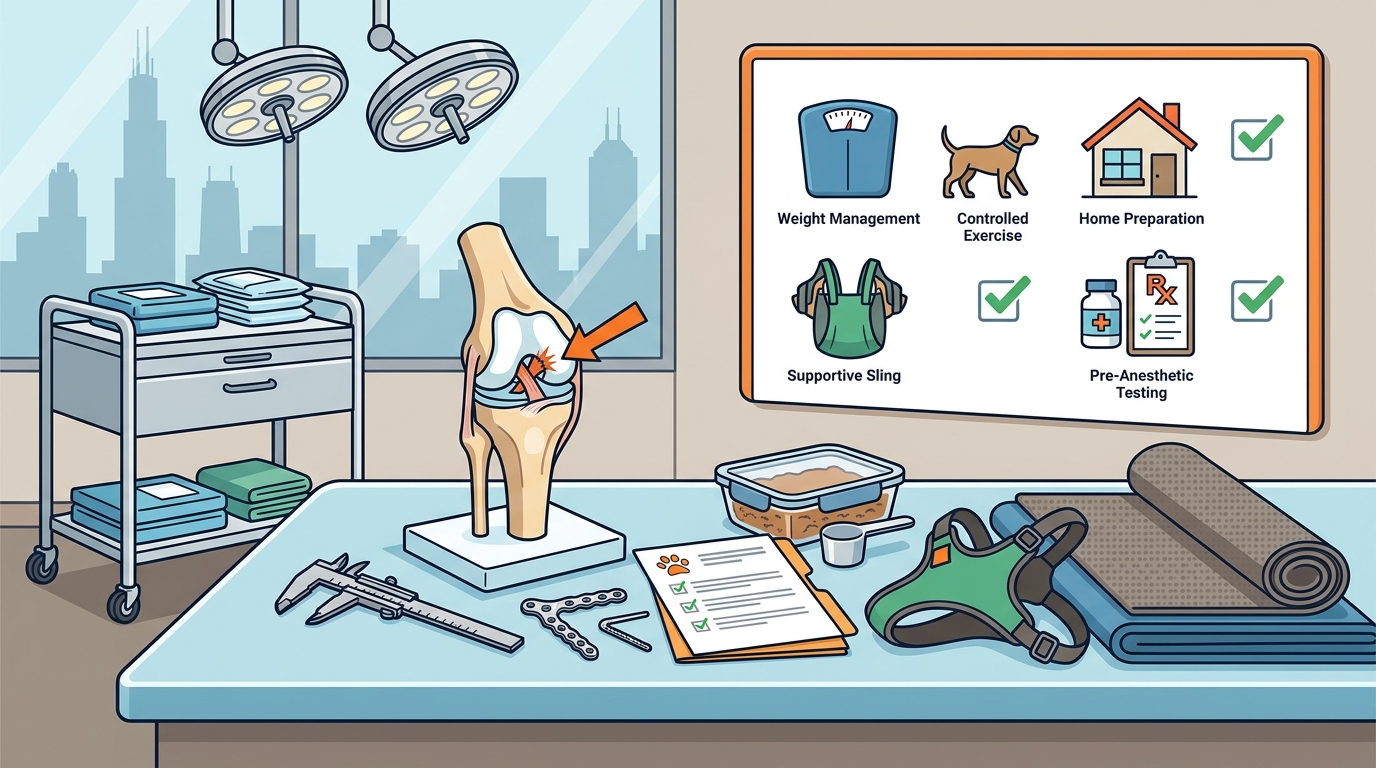
Excess weight places additional stress on the stifle joint and complicates anesthesia. If your dog is overweight, consult your primary veterinarian about a safe weight loss plan immediately. Even a modest reduction in body weight can decrease the load on the surgical site and improve overall surgical outcomes. Obesity in dogs is a known risk factor for cruciate ligament rupture, making weight management a dual-purpose strategy.
Pre-Anesthetic Blood Work
Before any anesthesia is administered, comprehensive pre-anesthetic blood work is non-negotiable. This panel evaluates kidney and liver function, blood cell counts, and electrolyte balance. These organs are responsible for metabolizing and clearing anesthetic drugs from the body. If underlying conditions are detected, your surgeon may adjust the anesthetic protocol or delay surgery to address the issue first. This step ensures that your dog's system is robust enough to handle the stress of surgery and anesthesia.
Medication Review
Provide your surgical team with a complete list of all current medications, including supplements. Certain drugs, particularly non-steroidal anti-inflammatory drugs (NSAIDs) and blood thinners, must be discontinued several days prior to surgery to prevent excessive bleeding. Never stop or start any medication without explicit instruction from your veterinary team.
Home Preparation Checklist
Preparing your home environment is one of the most impactful steps you can take. A safe, controlled environment reduces the risk of re-injury and promotes healing.
Creating a Confinement Zone
Set up a quiet, comfortable confinement area such as a crate or a small room. This space should be easily accessible and free of slippery floors. Non-slip surfaces are crucial. If your home has hardwood or tile floors, use rugs, yoga mats, or towels to provide traction. Slipping on smooth surfaces can cause catastrophic re-injury to the surgical site.
Essential Supplies
- E-Collar (Cone): You will need a rigid plastic cone or a soft inflatable collar to prevent your dog from licking or chewing the incision site. Infection at the surgical site is a serious complication that can lead to implant failure.
- Restraint Harness: A front-clip harness or a specialized recovery harness helps control your dog's movement without putting pressure on the neck or surgical site.
- Orthopedic Bed: A supportive, orthopedic bed provides cushioning for joints and reduces pressure points during rest.
- Leash and Collar: Ensure you have a secure leash for all bathroom breaks. Strict leash walking is mandatory for the first 8-12 weeks post-surgery.
For more information on our surgical services, including orthopedic and soft tissue procedures, visit our services page.
Day-of-Surgery Logistics
The day of surgery requires careful logistical planning to minimize stress for both you and your pet.
Fasting Protocols
Strict fasting guidelines must be followed to prevent aspiration pneumonia during anesthesia. Typically, food is withheld for 8-12 hours prior to surgery, while water may be allowed until a few hours before drop-off. Follow the specific instructions provided by your surgical team at VSx Chicago or VSx Indianapolis precisely.
Transportation
Transport your dog in a secure crate or with a tight leash in the vehicle. Avoid letting them ride in the back of a pickup truck or roam freely in the car. Minimize excitement and activity during the ride. Arrive on time to allow for final check-in and pre-operative assessments.
Emotional Preparation
Dogs are highly attuned to their owner's emotions. If you are anxious, your dog may become stressed. Practice calm, reassuring behaviors. Trust in the expertise of your board-certified surgeon. Our team at VSx is dedicated to providing exceptional value and care for every patient.
Post-Operative Care Expectations
Recovery begins the moment surgery ends. Understanding the post-operative phase helps you prepare mentally and physically.
Pain Management
Effective pain management is a cornerstone of modern veterinary surgery. Your surgeon will prescribe a multimodal pain protocol, which may include opioids, NSAIDs, and adjunctive therapies like gabapentin. Administer medications exactly as directed. Do not skip doses, even if your dog appears to be feeling better. Unmanaged pain can lead to increased stress, reluctance to move, and delayed healing.
Activity Restriction
Strict crate rest and leash-only bathroom breaks are required for the first 8-12 weeks. No running, jumping, playing, or off-leash activity. This restriction allows the bone to heal (in the case of TPLO) or the soft tissue to scar down (in the case of TightRope). Premature activity can lead to implant failure or re-rupture, requiring additional surgery.
Physical Therapy
Once cleared by your surgeon, physical therapy plays a vital role in restoring muscle mass and joint function. Canine physical therapy may include hydrotherapy, laser therapy, and controlled range-of-motion exercises. Our team can provide referrals to certified canine rehabilitation specialists in the Chicago, Indianapolis, and Nashville areas.
Key Takeaways
- Specialist Care: Choose a board-certified surgeon like those at VSx for complex orthopedic cases to ensure the highest standard of care.
- Pre-Op Health: Comprehensive blood work and weight management are critical for reducing anesthesia risks and improving outcomes.
- Home Safety: Non-slip flooring and a confined recovery space are essential to prevent re-injury during the healing process.
- Strict Rest: Adherence to leash-only walks and crate rest for 8-12 weeks is non-negotiable for successful bone and tissue healing.
- Pain Management: Multimodal pain control ensures comfort and reduces stress, which is vital for a smooth recovery.
- Follow-Up: Regular post-operative check-ups are necessary to monitor healing progress and adjust rehabilitation plans.
- Long-Term Health: Early intervention and proper surgical repair significantly reduce the risk of severe arthritis and joint degeneration.
Frequently Asked Questions
How long does canine ACL surgery take?
The surgical procedure itself typically takes between 60 to 90 minutes, depending on the complexity of the case and the technique used. However, you should expect to be at the clinic for several hours to account for pre-operative preparation, anesthesia induction, and initial recovery monitoring.
What is the cost of ACL repair for dogs?
The cost of ACL repair varies based on the surgical technique, the size of the dog, and the geographic location of the practice. At VSx, we provide transparent pricing for our orthopedic and soft tissue services. We recommend contacting our Chicago or Indianapolis offices directly for a detailed estimate tailored to your pet's needs.
Can dogs recover without surgery?
While some small dogs may manage with conservative management (weight loss, physical therapy, and medication), this approach rarely restores full joint stability. It often leads to chronic pain and accelerated arthritis. Surgery is generally recommended for medium to large breeds to prevent long-term joint damage.
How long is the recovery period?
The initial healing phase takes about 8-12 weeks, during which strict activity restriction is required. Full functional recovery, including the return to high-impact activities like agility or hunting, may take 6 months or longer. Consistent physical therapy is key to maximizing the final outcome.
What are the risks of ACL surgery?
As with any major surgery, risks include anesthesia complications, infection, implant failure, and re-rupture. However, at VSx, our board-certified surgeons utilize state-of-the-art diagnostic and surgical equipment to minimize these risks. Our focus on exceptional outcomes ensures that we adhere to the highest safety protocols.
Do I need to fast my dog before surgery?
Yes, fasting is required to prevent aspiration pneumonia. Typically, food is withheld for 8-12 hours prior to surgery. Water restrictions may also apply. Always follow the specific fasting instructions provided by your surgical team.
When can my dog go back to normal activity?
Normal activity, including running and playing, is usually permitted after 12 weeks, provided your surgeon has confirmed complete healing via X-rays. However, high-impact activities should be reintroduced gradually under the guidance of your veterinarian or a canine rehabilitation specialist.
Schedule Your Consultation Today
Preparing for your dog's ACL repair is a significant step, but with the right knowledge and support, you can ensure a smooth journey to recovery. At VSx, we are committed to being your trusted partner in specialty veterinary surgery. Our board-certified surgeons in Chicago, Indianapolis, and Nashville are ready to provide the expert care your pet deserves.
Do not wait for your dog's condition to worsen. Early intervention leads to better outcomes. Contact our team today to schedule a consultation and discuss the best surgical plan for your companion.