
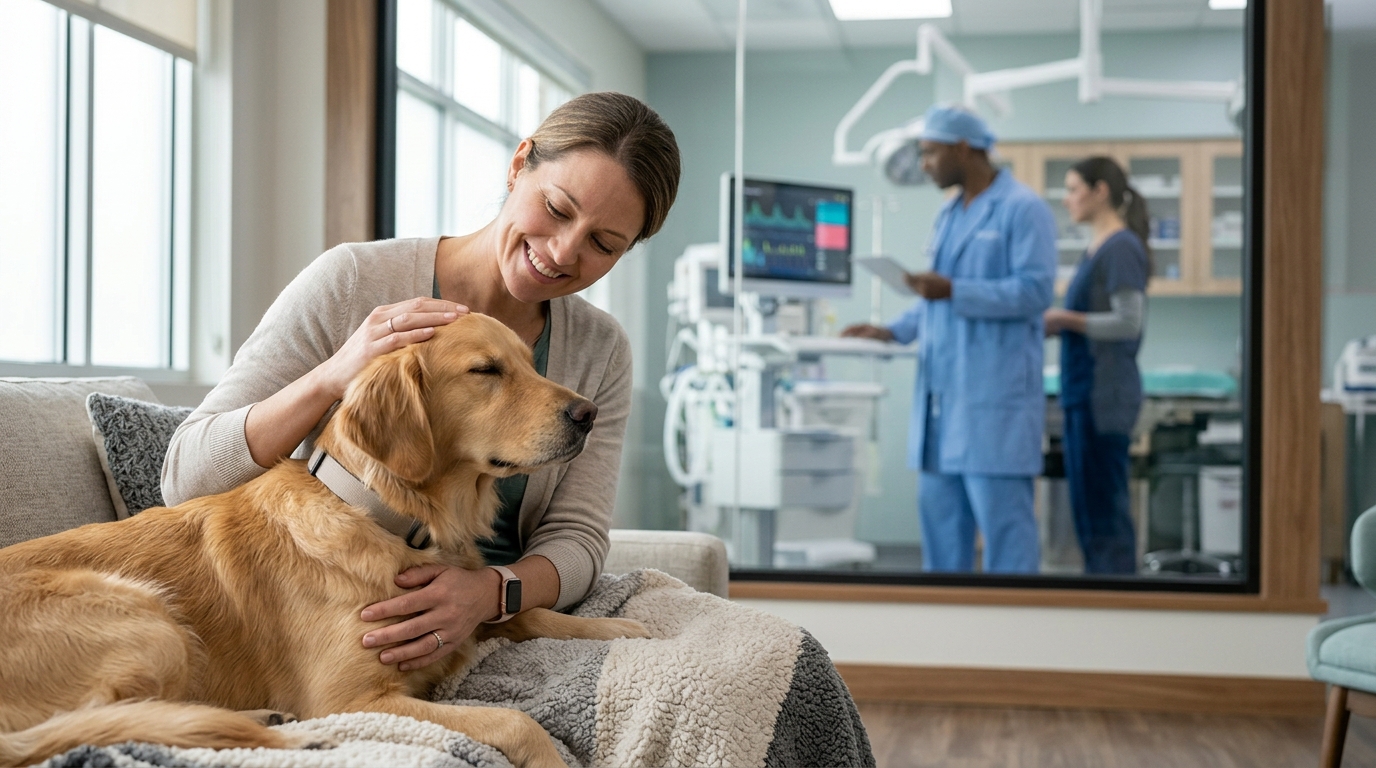
Cost-Benefit Analysis of Board-Certified Veterinary Surgery for Pets
When a pet requires complex surgical intervention, the decision to seek specialty care often hinges on a careful evaluation of risk versus reward. According to recent industry data, the average cost of specialty veterinary surgery can range from $2,000 to $10,000 depending on the procedure, which is significantly higher than general practice rates. However, this financial investment is frequently justified by the superior outcomes associated with board-certified surgeons who dedicate their entire careers to surgical excellence. Understanding the true value of this care requires looking beyond the initial invoice to consider long-term health, reduced complication rates, and the specialized expertise that only a Diplomate of the American College of Veterinary Surgeons (ACVS) can provide. (Board Certified Veterinary Surgery)
Understanding Board Certification
At VSx, our mission is simple: be the most trusted partner of specialty veterinary surgery to our referring veterinarians and communities we serve. To understand the cost-benefit dynamic, one must first define the standard of care. A board-certified veterinary surgeon is a veterinarian who has completed an internship and a 3–4 year surgical residency after veterinary school. This rigorous path includes thousands of hours working alongside experienced surgeons and passing a rigorous certification through the American College of Veterinary Surgeons (ACVS). (FAQs mdash VSx Veterinary)
Only after this process can they be called a Diplomate of the ACVS. This designation signifies that the surgeon has met the highest standards of training and competence. In contrast, a general veterinarian may perform routine surgeries like spays or neuters, but their training does not extend to the complex orthopedic or soft tissue procedures that often require specialty intervention. The difference is not just in title, but in the depth of daily surgical experience and the ability to manage high-risk cases.
Our surgeons at VSx are all board-certified with an average experience of 15 years. This level of expertise ensures that when you bring your pet to our facilities in Chicago, Indianapolis, or Nashville, you are accessing a network of experts who prioritize precision and safety above all else. The cost of this specialized education and training is reflected in the fees, but it is an investment in the highest standard of surgical care and outcomes.
Cost Breakdown of Specialty Care
Financial planning for veterinary surgery can be daunting. The costs associated with board-certified surgery are typically higher due to several factors, including the advanced technology used, the specialized staff, and the complexity of the procedures. At VSx, we provide transparent pricing and comprehensive diagnostic services to help pet owners understand what they are paying for.
Diagnostic Imaging and Technology
One of the primary drivers of cost in specialty surgery is the diagnostic phase. General practitioners often rely on basic digital X-rays, which may not reveal the full extent of complex conditions. VSx offers outpatient CT scans and comprehensive imaging services, including digital X-ray, to ensure we have the full picture before surgery. This advanced technology allows for quick, accurate diagnoses for complex cases without the need for hospitalization. The ability to visualize internal structures in three dimensions reduces the risk of surgical errors and ensures that the treatment plan is tailored precisely to the patient's anatomy.
Procedural Complexity
Orthopedic surgeries, such as TPLO (Tibial Plateau Leveling Osteotomy) for cranial cruciate ligament tears, or advanced fracture repairs, require specialized instruments and techniques. Soft tissue surgeries, including tumor removals and reconstructive procedures, also demand a high level of skill. Oncological surgery, for example, involves managing cancer in pets with care and compassion, often requiring complex margins and reconstruction. These procedures are not performed in a general practice setting due to their complexity and the need for specialized post-operative care.

Post-Operative Care
The cost of surgery also includes post-operative monitoring and pain management. Board-certified surgeons are experts in anesthetic and pain management, ensuring comfort and safety throughout the recovery process. At VSx, we focus on delivering exceptional outcomes for patients, pet owners, and referring veterinarians. This includes detailed communication and follow-up care, which are critical for a successful recovery. The investment in this level of care often results in fewer complications and a smoother recovery path, which can ultimately reduce long-term veterinary costs.
The Benefits of Specialized Expertise
While the upfront cost of board-certified surgery is higher, the benefits often outweigh the financial burden. The primary advantage is the reduced risk of complications. Board-certified surgeons perform surgery every single day, maintaining a high level of proficiency that general practitioners may not have. This daily practice is crucial for mastering complex techniques and managing unexpected intraoperative challenges.
Improved Outcomes and Recovery
Pets treated by board-certified surgeons often experience better functional outcomes. For example, in orthopedic cases, the precision of the surgery directly impacts the pet's ability to return to normal activity levels. Our orthopedic team offers precision and expertise to restore mobility to your pet. This is particularly important for active dogs and pets with high mobility requirements. The use of state-of-the-art diagnostic and surgical equipment further enhances these outcomes, ensuring that the surgery is performed with the highest degree of accuracy.
Collaborative Care Network
VSx is founded on the principal that the quality of a practice is dependent on present, independent ownership. We partner with board-certified surgeons of the highest caliber to create surgical centers capable of becoming integral to local communities of pet owners and their veterinarians. This collaborative care model ensures that your pet receives seamless support from their general practitioner to the specialty surgeon. Dr. Andrew Bean, Medical Director & Partner at BLVD Vet Lakeview-Lincoln, notes that "Dr. Wosar has been a trusted surgery referral partner for years. He takes a thorough approach to diagnosis and treatment planning and takes the time to communicate clearly with both our GP veterinarians and the pet owner." This level of communication is a key benefit of choosing a specialty center, as it ensures that all parties are aligned on the treatment plan and expected outcomes.
Expertise in Complex Cases
For pets with complex conditions, such as cancer or severe orthopedic injuries, the expertise of a board-certified surgeon is invaluable. Our team of experienced surgeons offers specialized oncological procedures to help manage and treat cancer in pets with care and compassion. This specialized care can extend the quality of life for pets with serious conditions, providing options that may not be available in a general practice setting. The ability to perform advanced soft tissue procedures, from tumor removals to reconstructive surgeries, ensures that your pet receives the best care for complex conditions.
General vs. Specialty Surgery Comparison
To help you make an informed decision, here is a comparison of general practice surgery versus board-certified specialty surgery.
| Feature | General Practice Surgery | Board-Certified Specialty Surgery (VSx) |
|---|---|---|
| Surgeon Training | Veterinary School + Routine Surgical Experience | 3-4 Year Residency + ACVS Certification |
| Complexity of Cases | Routine (Spays, Neuters, Mass Removals) | Complex (TPLO, Fractures, Oncology, Neurology) |
| Diagnostic Imaging | Digital X-Ray (Limited) | Outpatient CT Scans, Comprehensive Imaging |
| Pain Management | Standard Protocols | Expert Anesthetic and Pain Management |
| Referral Network | Limited Specialist Access | Collaborative Care with GPs and Specialists |
| Cost | Lower Upfront Cost | Higher Upfront Cost, Lower Long-Term Risk |
Key Takeaways
- Board Certification is Rigorous: A Diplomate of the ACVS has completed years of specialized training and thousands of hours of surgical experience.
- Advanced Technology Matters: Access to outpatient CT scans and comprehensive imaging improves diagnostic accuracy and surgical planning.
- Expertise Reduces Risk: Board-certified surgeons have an average of 15 years of experience, reducing the likelihood of complications in complex cases.
- Collaborative Care: VSx works closely with referring veterinarians to ensure seamless communication and care for your pet.
- Cost vs. Value: While specialty surgery costs more upfront, the improved outcomes and reduced risk of re-operation often provide better long-term value.
- Specialized Services: VSx offers orthopedic, soft tissue, and oncological surgery, along with diagnostic imaging, under one roof.
- Surgeon-Owned Model: VSx is surgeon-owned and led, ensuring that the quality of care remains the top priority.
Frequently Asked Questions
What is the average cost of board-certified veterinary surgery?
The cost varies widely depending on the procedure, but it typically ranges from $2,000 to $10,000 or more. This includes diagnostics, surgery, anesthesia, and post-operative care. VSx provides transparent pricing during the consultation to help you plan accordingly.
How do I know if my pet needs a board-certified surgeon?
If your general veterinarian recommends a referral for complex orthopedic, soft tissue, or oncological procedures, it is likely that a board-certified surgeon is needed. These specialists have the training to handle cases that are beyond the scope of general practice.
What is the difference between a general veterinarian and a board-certified surgeon?
A general veterinarian is trained to perform routine surgeries, while a board-certified surgeon has completed additional years of specialized residency training and certification. This makes them experts in complex and delicate surgical procedures.
Does VSx offer financing options?
We understand that veterinary care can be expensive. We recommend discussing payment options with our team during your consultation. Many pet owners also utilize third-party financing services like CareCredit to manage the cost of surgery.
What areas does VSx serve?
VSx has locations in Chicago, IL; Indianapolis, IN; and Nashville, TN. Our Chicago location is in North Center, and our Indianapolis location serves patients throughout greater Indiana. We are expanding to provide access to board-certified veterinary surgeons in more communities.
How do I book an appointment?
You can book an appointment by contacting our Chicago or Indianapolis locations directly. Our team is ready to assist you with scheduling a consultation and discussing your pet's specific needs.
Schedule Your Consultation
When it comes to your pet's health, the decision to seek specialty care is a significant one. By choosing a board-certified surgeon at VSx, you are investing in the highest standard of surgical care and outcomes. Our team is committed to providing exceptional value for patients, pet owners, and referring veterinarians. We invite you to explore our services and meet our surgeons to see how we can help your pet.
Contact VSx Chicago or VSx Indianapolis today to schedule your pet's consultation. Visit our Services & Pricing page to learn more about the specific procedures we offer. For more information about our team, please Meet Our Surgeons. We are here to support you and your pet through every step of the surgical journey.