
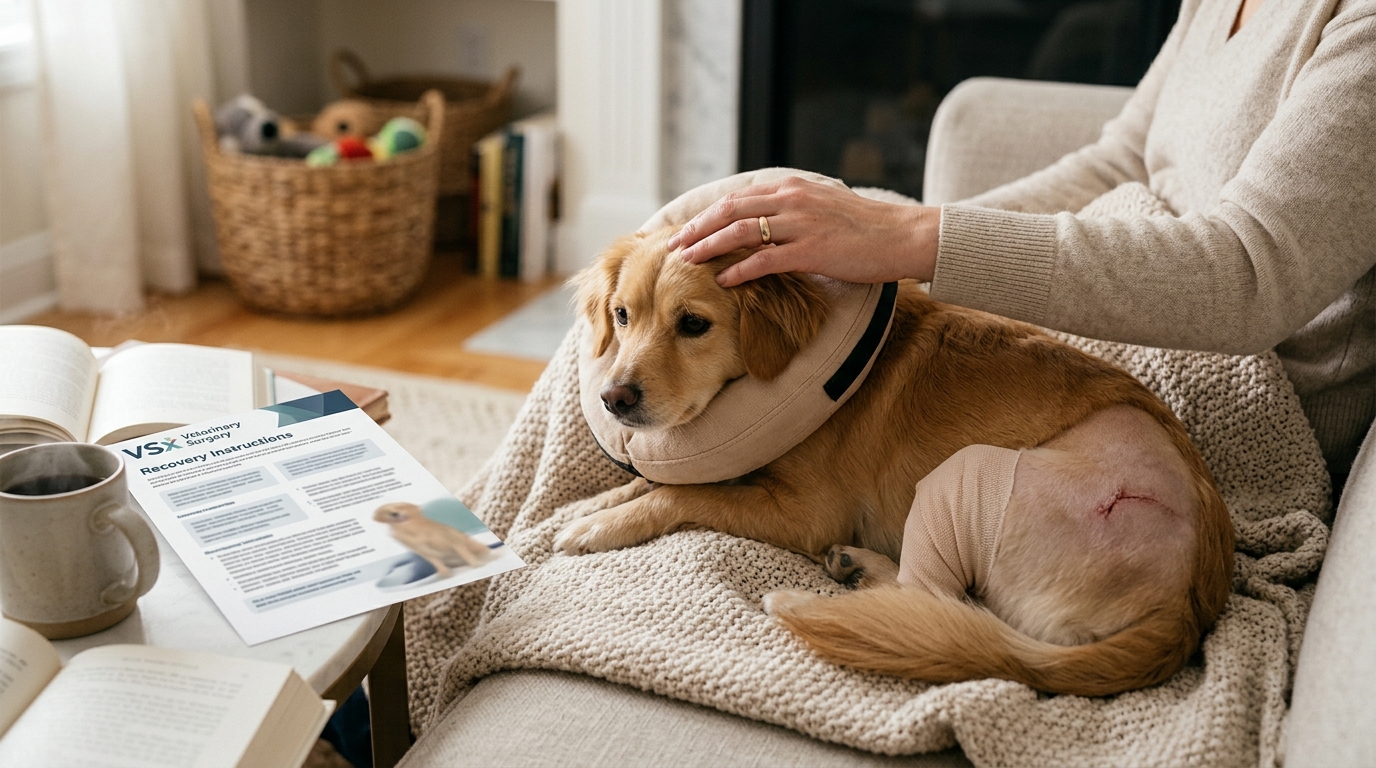
Recovering from surgery is a critical phase in your pet's health journey. According to recent veterinary studies, proper post-operative care significantly reduces the risk of complications and accelerates healing times. At VSx Veterinary Surgery, we understand that the days following a procedure are often the most stressful for pet owners. This guide outlines the essential steps for ensuring a smooth and successful recovery at home.
Understanding the Procedure
Before your pet returns home, it is vital to understand the specific type of surgery they underwent. VSx specializes in orthopedic and advanced soft tissue procedures. Each type of surgery requires a distinct recovery protocol. For instance, orthopedic surgeries like TPLO (Tibial Plateau Leveling Osteotomy) involve bone healing, which demands strict immobilization. In contrast, soft tissue surgeries may focus more on incision site hygiene and pain management.
Our board-certified surgeons provide detailed discharge instructions tailored to your pet's specific needs. These instructions are not generic; they are based on the surgical approach, the patient's age, and their overall health status. Board-certified veterinary surgeons undergo rigorous training to ensure that every aspect of the surgical plan is optimized for the best possible outcome. This level of expertise ensures that your pet receives the highest standard of care from diagnosis through to full recovery.
Immediate Home Care
The first 24 to 48 hours after surgery are crucial. Your pet may experience grogginess from anesthesia, which is normal. However, you must monitor them closely for any signs of distress. Create a quiet, confined space for your pet to rest. This area should be free from stairs, slippery floors, and other pets who might inadvertently disturb them.
At VSx, we emphasize the importance of a calm environment. Our Chicago location and Indianapolis facility are designed to minimize stress during the surgical process, and this philosophy extends to your home care. Ensure that your pet has easy access to their water bowl and a comfortable bed. Avoid forcing them to eat or drink if they are not interested, but encourage small amounts of water to prevent dehydration.
Creating a Safe Resting Area
A designated recovery zone helps prevent accidental injuries. If your pet is prone to jumping or climbing, consider using baby gates or closing doors to restrict access to certain areas. This is particularly important for orthopedic patients who need to limit their movement to allow bones and tissues to heal properly.
Medication Management
Pain management is a cornerstone of post-operative care. Your surgeon will prescribe medications to keep your pet comfortable. Administer these medications exactly as directed. Missing doses can lead to increased pain, which may cause your pet to move more than they should, potentially disrupting the surgical site.
VSx is committed to providing exceptional value for patients, pet owners, and referring veterinarians. This includes clear and comprehensive medication instructions. If you have any questions about the dosage or frequency of the medication, do not hesitate to contact our team. We are here to support you through every step of the process.
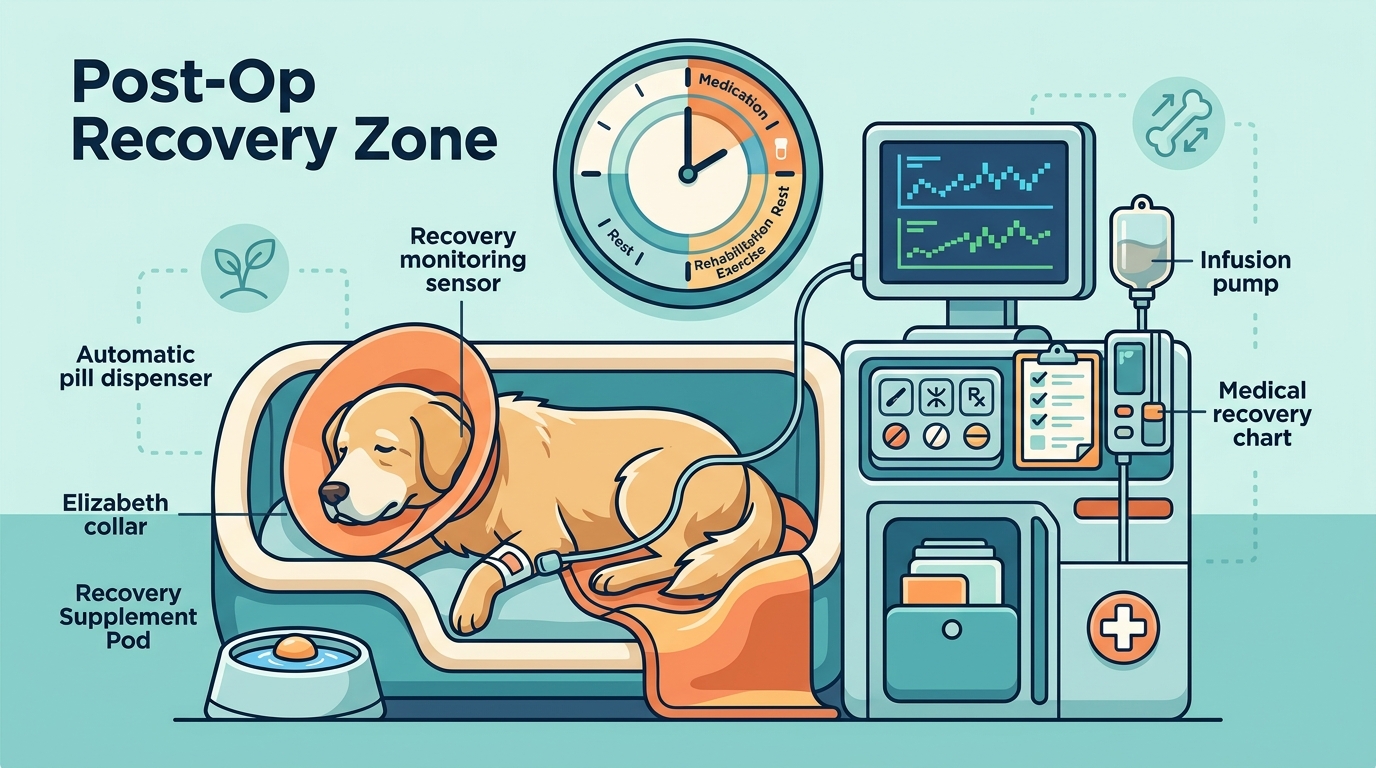
Monitoring for Side Effects
While medications are generally safe, some pets may experience side effects such as nausea, lethargy, or changes in bowel movements. Keep a log of your pet's behavior and any adverse reactions. Report these to your veterinarian immediately. Early intervention can prevent minor issues from becoming major complications.
Activity Restriction
Strict activity restriction is often the most challenging aspect of post-operative care for pet owners. However, it is essential for a successful recovery. For orthopedic surgeries, this may mean crate rest or leash-only bathroom breaks for several weeks. For soft tissue surgeries, the restriction may be less severe but still necessary to protect the incision.
Our surgeons at VSx work closely with referring veterinarians to ensure that the activity plan is appropriate for your pet's condition. Collaborative care with referring general practice, emergency & other specialist veterinarians ensures that your pet receives consistent and coordinated support throughout their recovery.
The Importance of Leash Walks
Even if your pet seems eager to run and play, it is crucial to keep them on a leash during bathroom breaks. This prevents sudden movements that could strain the surgical site. Short, controlled walks are better than long, unrestricted ones during the initial healing phase.
Wound Monitoring
Daily inspection of the surgical incision is a critical part of home care. Look for signs of infection, such as redness, swelling, discharge, or an unpleasant odor. The incision should be clean and dry. If you notice any changes, contact your veterinarian immediately.
VSx uses state-of-the-art diagnostic & surgical equipment to ensure precision during surgery, which also contributes to cleaner incisions and faster healing. However, home care plays a significant role in preventing complications. Keep the incision site free from dirt and moisture. If your pet has a tendency to lick or chew at the site, ensure they are wearing an Elizabethan collar (cone) as directed.
When to Call the Vet
Do not wait for a scheduled follow-up if you notice concerning symptoms. Signs such as excessive bleeding, open wounds, or severe swelling require immediate attention. Our team at VSx is available to provide guidance and support during these critical moments.
Nutrition and Hydration
Proper nutrition supports the healing process. Your veterinarian may recommend a specific diet or feeding schedule to aid recovery. Some pets may have a reduced appetite initially, which is normal. Offer small, frequent meals of their regular food or a bland diet if recommended.
Hydration is equally important. Ensure that your pet has access to fresh water at all times. If your pet is reluctant to drink, you can try adding a small amount of low-sodium broth to their water to encourage intake. At VSx, we focus on delivering the highest standard of surgical care and outcomes, which includes comprehensive guidance on post-operative nutrition.
Key Takeaways
- Strict Adherence to Instructions: Follow all discharge instructions provided by your VSx surgeon regarding medication, activity, and wound care.
- Board-Certified Expertise: VSx surgeons have an average of 15 years of experience, ensuring high-quality surgical outcomes and recovery guidance.
- Activity Restriction: Limiting movement is crucial for orthopedic and soft tissue surgeries to prevent complications and promote healing.
- Wound Monitoring: Daily inspection of the incision site helps detect early signs of infection or dehiscence.
- Pain Management: Consistent administration of prescribed pain medication ensures your pet's comfort and reduces stress.
- Collaborative Care: VSx works closely with referring veterinarians to provide seamless care from surgery to recovery.
- Emergency Awareness: Know the signs of distress and contact your veterinarian immediately if complications arise.
Frequently Asked Questions
How long does it take for a pet to recover from surgery?
Recovery times vary depending on the type of surgery. Orthopedic surgeries may require several weeks of restricted activity, while soft tissue procedures often heal faster. Your VSx surgeon will provide a specific timeline based on your pet's condition.
Can I give my pet human pain medication?
No. Many human pain medications are toxic to pets. Always use the medications prescribed by your veterinarian. VSx provides detailed instructions on the appropriate pain management plan for your pet.
What should I do if my pet licks the incision site?
Prevent licking by using an Elizabethan collar or a recovery suit. Licking can introduce bacteria and disrupt the healing process. If your pet removes the collar, replace it immediately and contact your veterinarian if the incision appears irritated.
When can my pet return to normal activity?
Return to normal activity is determined by your surgeon based on healing progress. For orthopedic surgeries, this may take 8 to 12 weeks. Soft tissue surgeries may allow for earlier return, but gradual reintroduction is key.
How do I know if my pet is in pain?
Signs of pain in pets include whining, restlessness, reluctance to move, panting, or changes in behavior. If you suspect your pet is in pain, contact your veterinarian. VSx is committed to ensuring your pet's comfort throughout the recovery process.
Is follow-up care included with surgery?
VSx provides comprehensive follow-up care, including post-operative check-ups and ongoing support. Our team is available to answer questions and address concerns during your pet's recovery.
What is the cost of post-operative care?
Post-operative care costs vary based on the specific needs of your pet. VSx strives to provide exceptional value for patients, pet owners, and referring veterinarians by offering transparent pricing and high-quality care.
Schedule Your Consultation Today
If your pet requires specialized surgical care, trust the experts at VSx. Our board-certified surgeons are dedicated to providing the highest standard of care. Contact VSx Veterinary Surgery today to schedule a consultation or learn more about our services. We are here to support you and your pet through every step of the journey.