
What Vet Can Do Cat Blockages: A Complete Guide to Feline Obstructions
Cat blockages are serious medical events that require prompt veterinary intervention. A veterinarian can diagnose and treat feline obstructions through emergency stabilization, urinary catheterization, intestinal surgery, or permanent urethral modification. This guide explains the specific procedures veterinarians use to resolve these life-threatening conditions. It covers the diagnostic process, surgical options, and the role of board-certified specialists in managing complex cases.
Emergency Veterinary Care
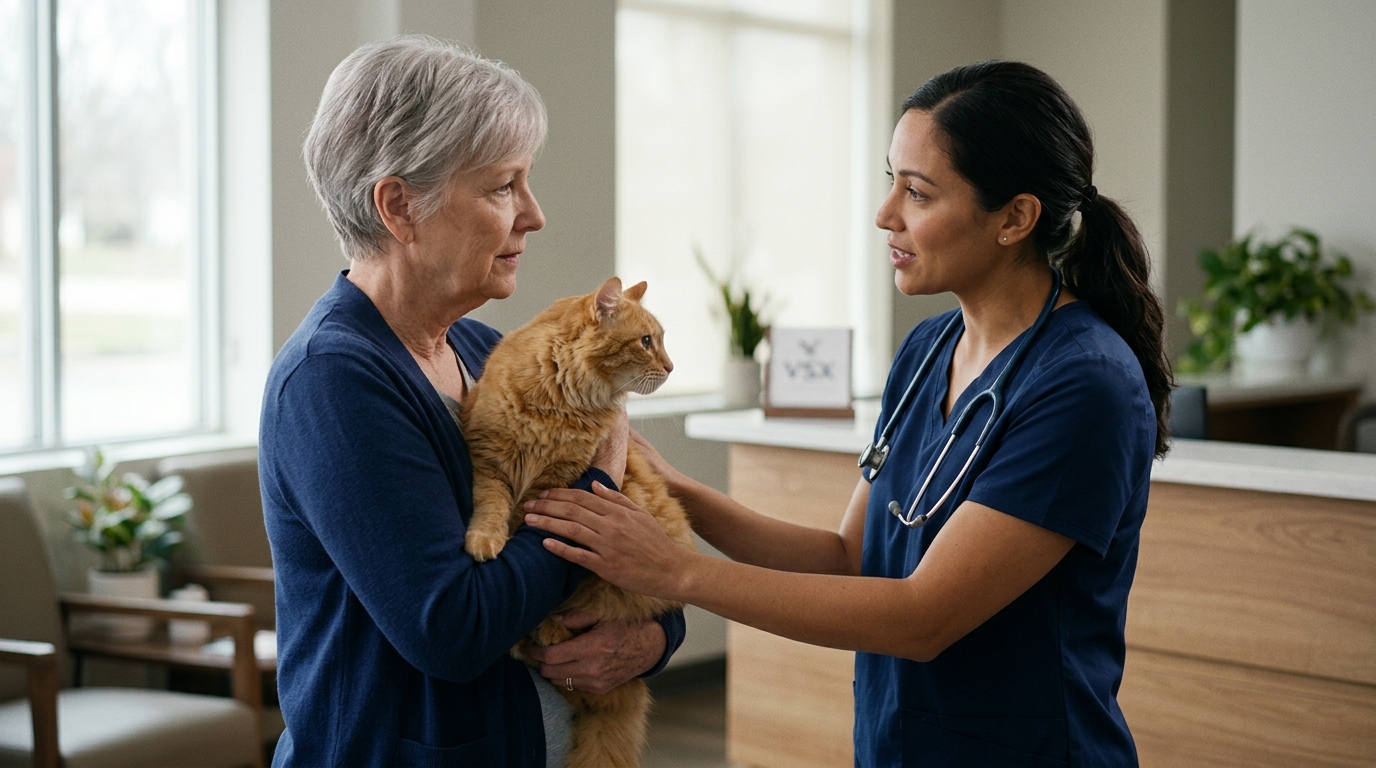
When a cat presents with signs of a blockage, the initial phase of care focuses on stabilization. Emergency veterinary care is the immediate medical support provided to stabilize a patient in critical condition. Cats with urinary blockages often present with straining, vocalization, and an inability to urinate. This condition can lead to kidney failure within hours if not addressed. General practice veterinarians are equipped to handle the initial triage and stabilization of these patients.
Diagnosis and Stabilization
Referral to Specialty Care
While general practitioners can manage many cases, complex obstructions often require specialized surgical intervention. Board-certified veterinary surgeons are specialists who have completed advanced training in surgical techniques. For cases involving severe intestinal obstruction or complex urinary issues, a referral to a specialty center ensures the patient receives targeted care. VSx Veterinary Surgery provides this level of specialized support for pets in Chicago and Indianapolis. The collaborative approach between general practitioners and specialty surgeons ensures comprehensive management.
Urinary Catheterization
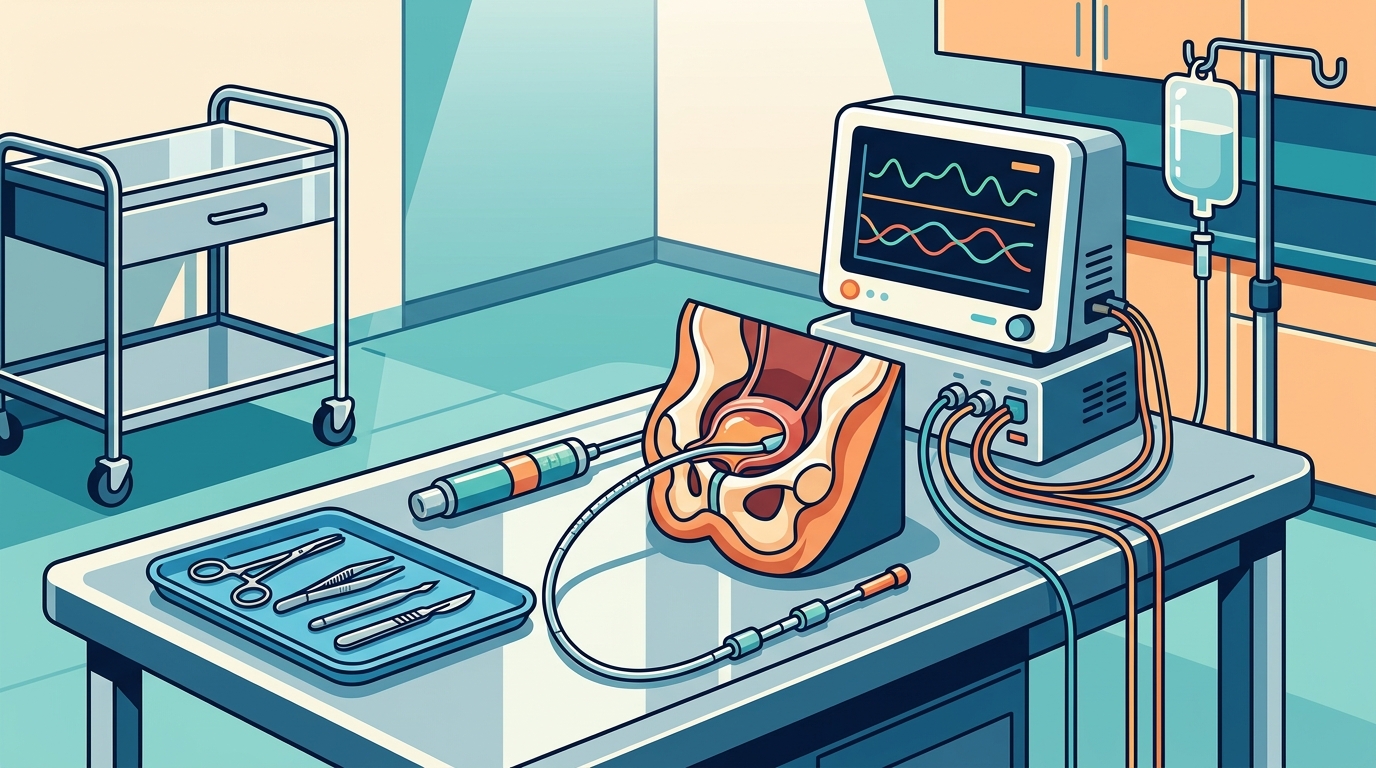
For cats with urinary blockages, the primary immediate treatment is often catheterization. Urinary catheterization is the procedure of inserting a thin tube into the bladder to relieve a blockage and allow urine to drain. This procedure is typically performed under sedation or general anesthesia to ensure the cat remains still and comfortable. The catheter bypasses the obstruction, allowing the bladder to empty and reducing pressure on the kidneys.
The Procedure Process
The veterinarian inserts the catheter through the urethra into the bladder. Once in place, the catheter is flushed with sterile saline to dissolve any mucus plugs or crystals. The catheter may be left in place for 24 to 72 hours to prevent immediate re-blockage. During this time, the cat is monitored for signs of pain or infection. The goal is to restore normal urine flow and allow the urethra to heal.
Post-Catheterization Care
After the catheter is removed, the cat must be monitored closely. Re-blockage is a common risk in the first few days. Owners are often advised to keep the cat indoors and in a stress-free environment. Stress is a major trigger for feline idiopathic cystitis, which can lead to blockages. Managing stress and ensuring adequate water intake are critical components of long-term management. If the cat blocks again, immediate veterinary attention is required.
Intestinal Blockage Surgery
Diagnosing Foreign Body Obstructions
Diagnosis often relies on radiographs and ultrasound. However, some foreign bodies, such as string, may not be visible on X-rays. In these cases, a surgeon may need to explore the abdomen to confirm the diagnosis. The presence of a linear foreign body requires immediate surgical intervention. Delaying surgery can lead to intestinal necrosis and sepsis. Early detection is crucial for a positive outcome.
Surgical Techniques
The surgery involves opening the abdomen and locating the obstruction. The surgeon makes an incision in the intestine to remove the foreign body. The incision is then closed with sutures. In cases where the intestinal tissue is damaged, a section of the intestine may need to be removed and the ends reconnected. This procedure requires advanced surgical skills and specialized equipment. VSx specializes in advanced soft tissue surgery, providing the expertise needed for these complex cases.
Perineal Urethrostomy
For cats that repeatedly block, a permanent surgical solution may be recommended. Perineal urethrostomy is a surgical procedure that creates a new, permanent opening for urine to exit the body. This procedure bypasses the narrow portion of the male cat's urethra where blockages typically occur. It is generally recommended for cats that have had multiple blockages or have a history of severe urethral disease.
When Is It Recommended?
Not every cat with a blockage requires a perineal urethrostomy. The decision depends on the underlying cause and the cat's history. If the blockage is due to crystals or stones, medical management may be sufficient. However, if the cat has a history of recurrent idiopathic cystitis, surgery may be the best option. The procedure is considered a major surgery and requires a board-certified surgeon. It is a life-changing procedure that significantly reduces the risk of future blockages.
Recovery and Long-Term Management
Recovery from a perineal urethrostomy involves several weeks of care. The cat will need to wear a cone to prevent licking the surgical site. The new opening is larger than the natural urethra, making it much less likely to block. Owners must monitor the cat's urine output and behavior. Regular veterinary check-ups are essential to ensure the new opening remains healthy. This procedure is a commitment to long-term management and requires close collaboration with the veterinary team.
Comparison of Treatment Options
| Condition | Primary Treatment | Procedure Type | Recovery Time | Long-Term Risk |
|---|---|---|---|---|
| Urinary Blockage | Urinary Catheterization | Minimally Invasive | 1-3 Days | Re-blockage |
| Intestinal Obstruction | Exploratory Laparotomy | Major Surgery | 3-7 Days | Adhesions |
| Recurrent Blockages | Perineal Urethrostomy | Major Surgery | 2-4 Weeks | Low |
Key Takeaways
- Cat blockages are medical emergencies that require immediate veterinary attention.
- Urinary catheterization is the standard first-line treatment for urinary blockages.
- Intestinal blockages often require surgery to remove ingested foreign bodies.
- Perineal urethrostomy is a permanent solution for cats with recurrent urinary blockages.
- Board-certified veterinary surgeons provide advanced care for complex surgical cases.
- Stress management is a critical component of preventing future urinary blockages.
- Collaborative care between general practitioners and specialty surgeons improves outcomes.
- Early diagnosis and intervention are key to successful treatment of feline obstructions.
Frequently Asked Questions
How quickly should I seek veterinary care for a blocked cat?
You should seek veterinary care immediately. A blocked cat can develop life-threatening complications within hours. Do not wait for symptoms to improve. Time is critical in treating urinary blockages.
Can a general veterinarian perform a perineal urethrostomy?
While some general practitioners may perform this procedure, it is a complex surgery often best handled by a board-certified surgeon. Referring to a specialty center ensures the procedure is performed by an experienced specialist.
What are the signs of an intestinal blockage in a cat?
Is urinary catheterization painful for the cat?
The procedure is performed under sedation or anesthesia, so the cat does not feel pain. Post-procedure discomfort is managed with pain medication. Most cats recover quickly from the catheterization itself.
How can I prevent my cat from blocking again?
Prevention involves managing stress, ensuring adequate water intake, and following your veterinarian's dietary recommendations. Regular veterinary check-ups are also important for monitoring urinary health.
What is the role of a board-certified surgeon in treating cat blockages?
Board-certified surgeons provide advanced surgical care for complex cases. They have specialized training in techniques that general practitioners may not perform. Their expertise is crucial for ensuring the best possible outcomes.
Can I treat a cat blockage at home?
No, you cannot treat a cat blockage at home. These conditions require professional veterinary intervention. Attempting to treat a blockage at home can delay necessary care and worsen the condition.
How long does recovery take after intestinal surgery?
Recovery from intestinal surgery typically takes 3 to 7 days. Your veterinarian will provide specific post-operative care instructions. Follow these instructions closely to ensure a smooth recovery.
Conclusion
Understanding what a veterinarian can do for cat blockages is essential for pet owners. From emergency stabilization to advanced surgical interventions, the veterinary team plays a critical role in resolving these life-threatening conditions. For complex cases, the expertise of board-certified surgeons is invaluable. VSx Veterinary Surgery is committed to providing advanced surgical care and individualized treatment recommendations for pets in need. If your cat is showing signs of a blockage, contact your veterinarian immediately. For specialized surgical care, consider consulting with a VSx veterinary surgeon to ensure your pet receives the best possible support.